


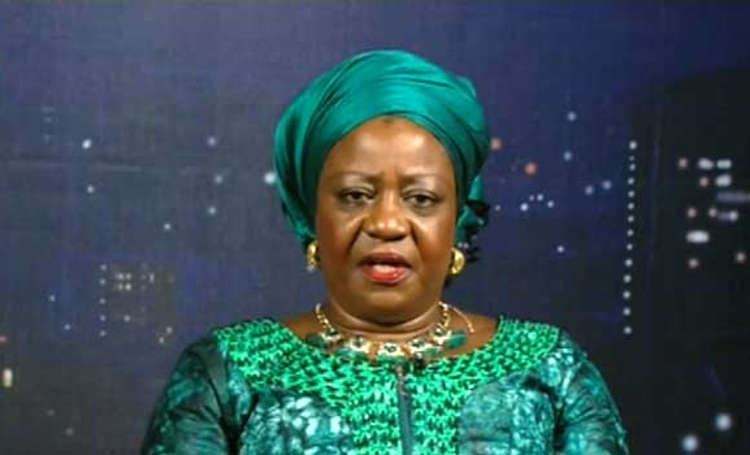
Former presidential media aide, Lauretta Onochie, has called for the immediate release of Nasir El-Rufai, describing his continued detention as a threat to Nigeria’s democracy and political freedom.
Onochie, who previously served as a media aide to the late former President Muhammadu Buhari, made the remarks in a statement shared on X, formerly known as Twitter. She argued that opposition voices in a democratic society should be challenged through political engagement and debate rather than intimidation or detention.
According to her, El-Rufai’s prolonged detention over what many Nigerians allegedly viewed as politically motivated charges had raised concerns about the misuse of state institutions against opposition figures.
“In every democracy, opposition voices must be challenged with ideas, not silenced with prison walls,” Onochie wrote. “When political participation becomes grounds for persecution, democracy itself is placed on trial.”
The former presidential aide further claimed that there were reports suggesting conditions had been attached to El-Rufai’s possible release, including pressure to return to the All Progressives Congress or withdraw from active politics.
READ RELATED STORY
Kaduna court adjourns El-Rufai’s bail hearing to June
El-Rufai appears in Kaduna court, mentions ADC convention ahead of hearing
“That is not justice. That is coercion. That is political intimidation dressed up as due process,” she stated.
Onochie maintained that Nigeria could not claim to uphold democratic values while dissenting political voices were allegedly being punished for refusing to align with those in power. She stressed that the rights to political participation, opposition and freedom of association were fundamental principles guaranteed under constitutional democracy.
She also insisted that if there were legitimate allegations against El-Rufai, the matter should be handled transparently and speedily before a competent court of law rather than through prolonged detention.
“If there is a credible case against him, let it be heard openly, fairly, and speedily before a competent court,” she added.
According to Onochie, the issue extended beyond El-Rufai as an individual and reflected broader concerns about the future of opposition politics and democratic freedom in Nigeria.
She warned that suppressing opposition voices could weaken democratic institutions and foster authoritarian tendencies within the political system.
“A democracy that jails opposition voices today may have no opposition left tomorrow. A nation without opposition is a nation under dictatorship,” she concluded.

