


The UK has made plans to deploy live facial recognition technology which will be carried out across the country.
The reason for this is a High Court decision which has effectively nullified the court case against the usage of the technology, the case argued the potential unfairness of the technology as well as possible discrimination caused by live facial recognition cameras used by the Metropolitan Police in London.
Among those making claims were Shaun Thompson, a youth worker who has claimed to be wrongfully identified by one of the cameras, and Silkie Carlo of civil liberties group Big Brother Watch.
Live facial recognition systems are usually attached to police vans and are used in crowded urban locations. These systems scan the faces of pedestrians in order to compare them to the lists of known suspects or missing persons. However, judges have stated that the policy of the Metropolitan Police has made clear how and when it uses such technology.
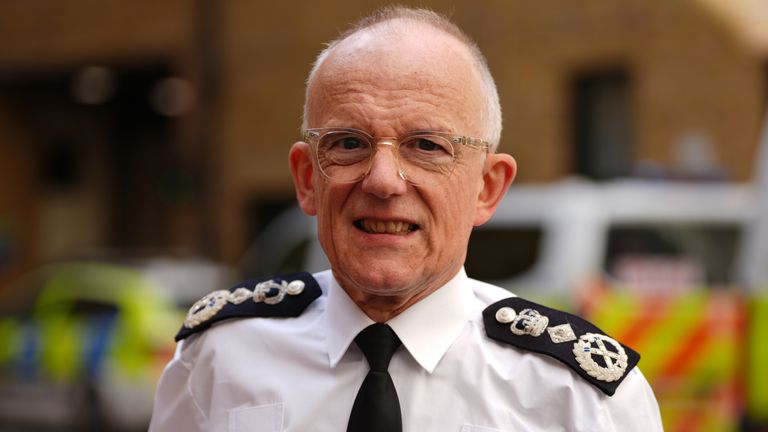
In reaction to the verdict, the commissioner of the Metropolitan Police, Mark Rowley, praised the decision, highlighting how useful the technology was for improving efficiency and making the public safer. According to figures provided by the police force, there were 800 arrests made using the technology last year, out of millions of scans conducted, and only very few cases of misidentification.
The policing minister Sarah Jones also backed the decision to allow the technology, claiming that it would help take dangerous offenders off the streets and improve community safety. She argued that criticism of the decision should be disregarded, explaining that citizens who obey the law had nothing to worry about when it comes to the technology.
But critics are not convinced, with Thompson planning an appeal against the decision, warning that the technology could normalize surveillance and wrongful targeting. He referred to it as “stop and search on steroids,” explaining that even those who behave properly could still be mistakenly identified.
However, there are still worries about prejudice. This year, the Essex police suspended the use of facial recognition due to findings showing discrimination between people of different ethnic backgrounds in terms of recognition accuracy. They eventually continued with their program, citing improvements in the technology.
Also, the government was aappreciated for backing the financial support, the implementation of facial recognition policing is expected to increase in representing a new era in policing.
For more details, visit New Dailyprime

