


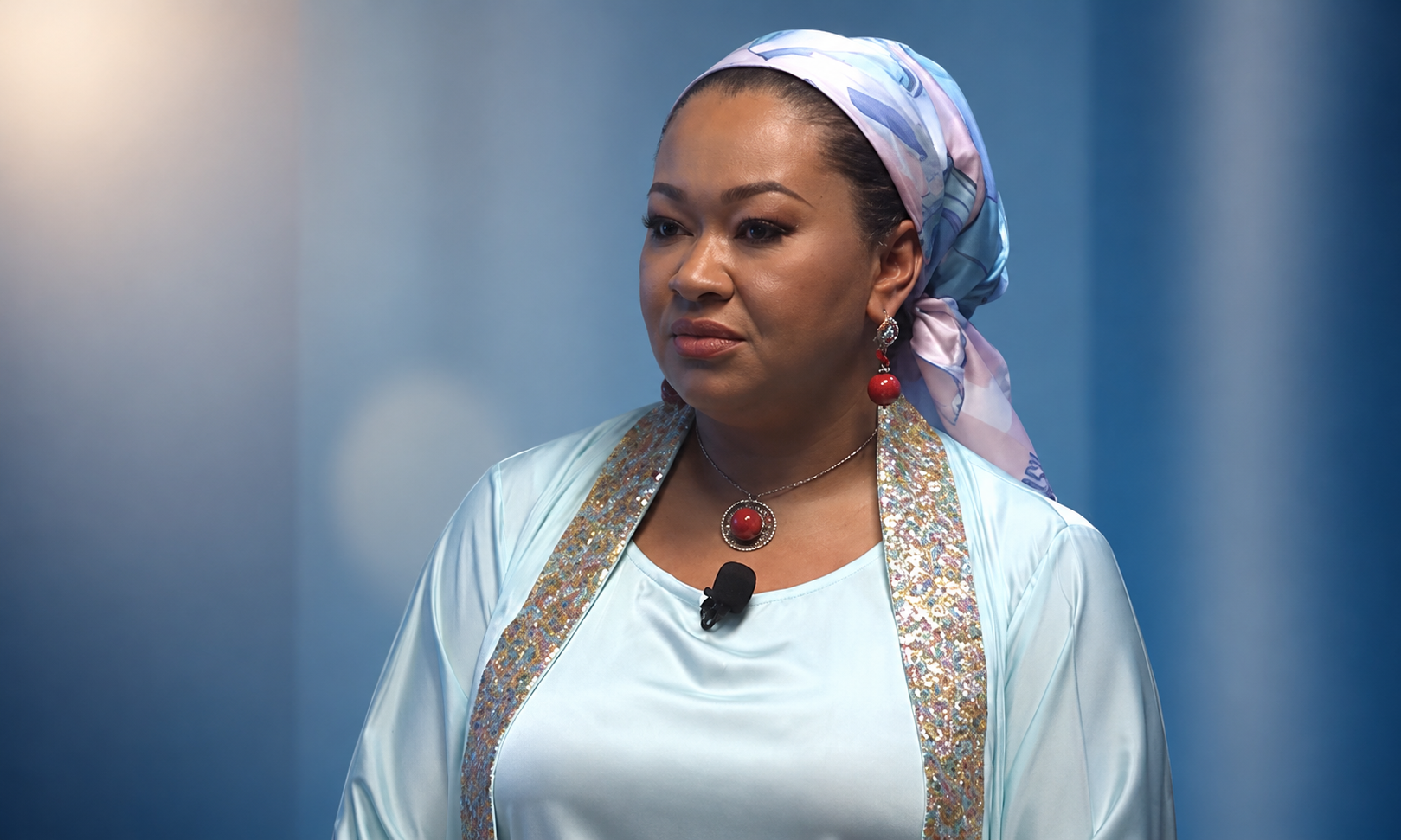
Natasha Akpoti-Uduaghan is one of Nigeria’s highly influential political figures because she has turned a Senate seat into a national platform. She represents Kogi Central, but her influence now reaches beyond her constituency. She is part of the national conversation on women in politics, legislative accountability, opposition strategy, Ajaokuta Steel, and the place of young women in public leadership.
Her latest political move has strengthened her relevance. In May 2026, she purchased and submitted her PDP nomination forms to seek re-election for Kogi Central in the 2027 National Assembly race. That means she is not only a serving senator; she is also an active player in the next election cycle
New Daily Prime estimates Natasha Akpoti-Uduaghan’s weighted influence score at 86.0/100, placing her among Nigeria’s top public figures. She ranks as one of Nigeria’s most influential political voices, not because she controls the highest office, but because she has built influence through public visibility, legislative presence, women’s representation, political courage, and her ability to shape national debate on power, gender, accountability and democratic participation
New Daily Prime Key Influence Metrics for Natasha Akpoti-Uduaghan
| Indicator | Reason |
|---|---|
| Current Power & Institutional Control | Natasha Akpoti-Uduaghan is a sitting senator representing Kogi Central, giving her formal legislative authority and a national platform. Her direct institutional control is limited because she is one senator among 109 members and does not control the executive arm of government. |
| Reach & Visibility | She has become one of Nigeria’s most visible female politicians, with strong media attention, public debate, and social media visibility around her political work, Senate activities, and public disputes. |
| Impact & Tangible Results | Her influence is seen in her advocacy for Ajaokuta Steel, constituency development, political reform, gender equity, and the wider debate she has pushed around accountability in public institutions. |
| Soft Power & Cultural Influence | She represents courage and resistance for many supporters, especially women and young Nigerians who see her as a voice challenging male-dominated political structures. |
| Relevance to 2026 | Her role in the Senate, growing national profile, and expected involvement in the build-up to the 2027 election cycle make her highly relevant in 2026. |
| Generational Influence | She appeals to younger citizens who want stronger representation, more women in leadership, and politicians willing to confront entrenched power. |
| National & International Recognition | Her political profile has moved beyond Kogi Central, attracting national attention and international coverage on issues of gender, power and accountability in Nigerian politics. |
Weighted Influence Scorecard for Natasha Akpoti-Uduaghan
| Indicator | Weight | Score | Points |
|---|---|---|---|
| Current Power & Institutional Control | 15% | 6/10 | 9 |
| Reach & Visibility | 15% | 9.3/10 | 14 |
| Impact & Tangible Results | 15% | 8.7/10 | 13 |
| Soft Power & Cultural Influence | 15% | 9.3/10 | 14 |
| Relevance to 2026 | 15% | 10/10 | 15 |
| Generational Influence | 15% | 8.7/10 | 13 |
| National & International Recognition | 10% | 8/10 | 8 |
| Total Weighted Influence Score | 100% | — | 86/100 |
Natasha’s first source of influence is institutional. She is a sitting senator under the Peoples Democratic Party, representing Kogi Central in the 10th National Assembly. The National Assembly lists her legislative interests as social entrepreneurship, political reforms and gender equity, which fits the public image she has built around representation and reform.
Her second source of influence is visibility. Few female politicians in Nigeria have attracted as much national attention in the past year. Her dispute with Senate President Godswill Akpabio pushed her into a wider debate about power, gender and fairness in public institutions. She accused Akpabio of sexual harassment, an allegation he denied. The Senate said her six-month suspension was linked to alleged misconduct, not the allegation itself.
The legal update gives the report balance. In February 2026, the Court of Appeal upheld the Senate’s power to suspend her, but it also set aside the contempt proceedings and nullified the ₦5 million fine imposed on her. This is important because it shows both sides of her influence: she can challenge powerful institutions, but she does not control them.
Her relevance also increased in March 2026 when she led a motion at the PDP national convention to ratify party congresses. That placed her inside the internal machinery of the opposition party at a time when parties were preparing for 2027.
Her impact is not limited to controversy. She has remained one of the loudest voices on the revival of Ajaokuta Steel, a major industrial issue tied directly to Kogi Central and Nigeria’s manufacturing future. In February 2026, she challenged the Minister of Steel Development, Shuaib Audu, over funding and plans for Ajaokuta during a National Assembly budget defence session.
Her constituency work also adds weight to her influence. Reports on her second anniversary in office mentioned solar-powered water projects across Kogi Central, streetlights, boreholes, and planned projects in markets, healthcare and schools. These claims help support her impact score, although some of the strongest details come from local and constituency-focused reporting.
Read related news:
Sen Natasha validates PDP membership, urges youths to register
Natasha protests alleged exclusion from NCDC committee
FG drops criminal case against Natasha
Natasha’s soft power comes from what she represents. In a Senate where women remain few, her visibility carries symbolic value. Women’s groups protested under the slogan “We are all Natasha” after her suspension, turning her case into a broader conversation about women’s safety, voice and political space in Nigeria.
Her influence still has limits. She is one senator among 109 members. She does not control the executive arm of government, national security, federal appointments, or the Senate leadership. Her direct institutional power is therefore lower than that of governors, ministers and presiding officers.
But influence is not only about office. It is also about who can force public debate, move supporters, challenge power, and stay relevant in a changing political season. On those measures, Natasha Akpoti-Uduaghan stands out. She has turned resistance, representation and visibility into political capital. That is why an updated 86/100 Weighted Influence Score is fair for her place among Nigeria’s highly influential personalities.

