


Israel has warned that large parts of southern Lebanon could be turned into a “Hezbollah terrorist kill zone,” signalling a further escalation in hostilities even as discussions over a potential ceasefire continue.
Read more breaking stories from our latest nigeria news
The warning underscores rising tensions in the region, where Hezbollah maintains significant influence as both a Shiite political movement and a heavily armed militant group. The organisation has long opposed Israel and Western involvement in the Middle East and is widely regarded as a proxy of Iran, its principal backer.
The current escalation follows a joint U.S.-Israeli military campaign against Iran launched in February 2026. In response, Hezbollah initiated retaliatory strikes against Israeli targets, widening the scope of the conflict and increasing fears of a broader regional war.
Read related news:
Iran rejects ceasefire plan as Israel continues strikes on key energy sites
Israel says slain reporter was Hamas operative, Al Jazeera refutes claim
Iranian leadership hit hard as war with US, Israel claims top officials
Speaking during a visit to frontline troops, Israel Defense Forces (IDF) Chief of Staff, Lt Gen Eyal Zamir, said military operations would intensify as part of what he described as a “multi-front effort.”
“I have ordered that all of the area of south Lebanon up to the Litani River line be turned into a Hezbollah terrorist kill zone,” he told soldiers, indicating a hardening of Israel’s operational stance.
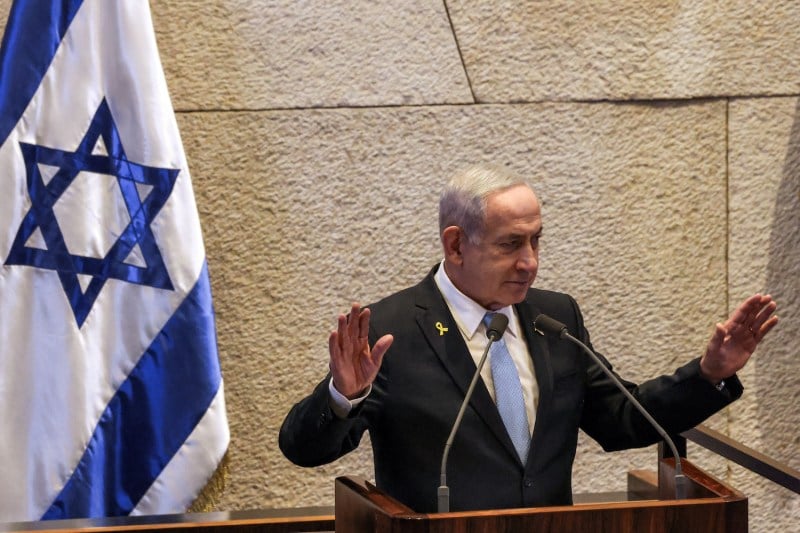
Israeli Prime Minister Benjamin Netanyahu later confirmed that the military was preparing to advance into Bint Jbeil, a key Hezbollah stronghold in southern Lebanon. He said operations would continue despite growing international pressure to agree to a ceasefire.
Israel’s security cabinet met on Wednesday to consider possible truce options, following rare diplomatic discussions held in Washington a day earlier. However, there appears to be no immediate breakthrough.
A senior U.S. official told AFP that President Donald Trump would “welcome” an end to the fighting between Israel and Hezbollah but emphasised that any ceasefire arrangements are not linked to ongoing negotiations between Washington and Tehran.
“The United States wants to see a durable peace but did not demand an immediate ceasefire,” the official said, adding that talks with Iran remain separate from developments in Lebanon.
Meanwhile, tensions in the Gulf have also intensified. The United States military confirmed that it turned back an Iranian cargo vessel attempting to pass through the Strait of Hormuz amid an ongoing naval blockade.
According to U.S. Central Command, the vessel departed from Bandar Abbas but was intercepted by the USS Spruance, a guided-missile destroyer. Officials said at least ten ships have been blocked from transiting the strategic waterway since the operation began earlier in the week.
The developments highlight the widening scope of the crisis, with multiple flashpoints emerging across the Middle East. While diplomatic efforts continue behind the scenes, the situation on the ground suggests that a swift resolution remains unlikely.

