


Foreign Minister Bianca Odumegwu-Ojukwu said at least 130 Nigerians had already registered for voluntary repatriation, adding that the number was expected to rise as more citizens seek help to return home. The exercise is being coordinated through Nigerian missions in South Africa for those who no longer feel safe.
The minister said President Bola Tinubu was concerned about the safety of Nigerians in the country and had directed stronger monitoring of the situation. She condemned the violence against foreign nationals and protests marked by hate speech, xenophobic rhetoric and anti-migrant statements.
Nigeria has also summoned South Africa’s acting High Commissioner to formally express its concern. Abuja said the meeting would focus on reported mistreatment of Nigerian citizens, attacks on their businesses and the possible impact of the unrest on relations between two of Africa’s largest economies.
The repatriation exercise will be voluntary. Officials are expected to compile names, verify documents and coordinate return flights for citizens seeking assistance.
“Nigerian lives and businesses in South Africa must not continue to be put at risk,” Odumegwu-Ojukwu said, adding that Nigeria would continue to work with South African authorities to end recurring violence against migrants.
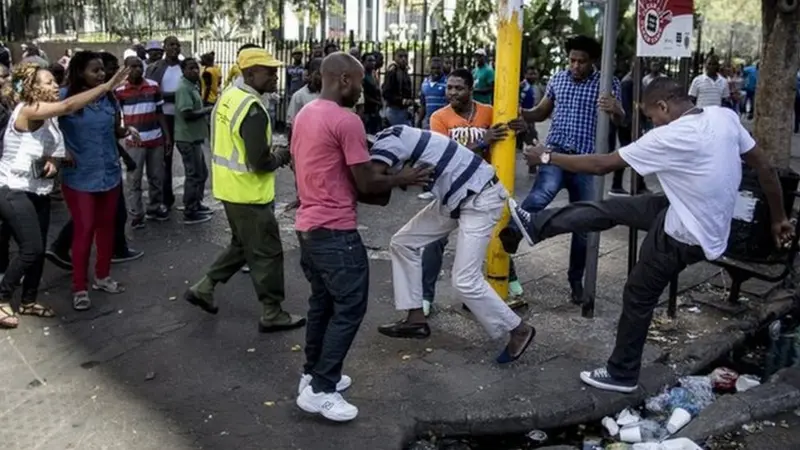
The diplomatic row follows anti-immigrant demonstrations in parts of South Africa, including Pretoria and Johannesburg, where protesters demanded tougher action against undocumented migrants. While South African authorities said no Nigerians were killed in the latest protests, Nigeria has raised concern over the deaths of two citizens in separate incidents allegedly involving South African security operatives. Abuja is demanding investigations, autopsy reports and cooperation with the families of the deceased.
The concern is not limited to Nigeria. Ghana has also approved plans to evacuate about 300 citizens from South Africa following similar attacks and rising tension. Other African countries, including Kenya, Malawi, Lesotho and Zimbabwe, have warned their nationals to remain alert.
South African President Cyril Ramaphosa has denied that the country is xenophobic, saying recent attacks on migrants do not reflect government policy or the views of wider society. He condemned violence and warned that no group has the right to take the law into its own hands.
Read related news:
Xenophobia: Nigerians register for evacuation in South Africa
Report: Migrants shackled, forced to eat food off chairs, “like dog;
Charities face rising threats amid anti-immigrant tensions
FG demands probe, accountability from South Africa over Killings, xenophobic protests
South African officials have said citizens may raise concerns about illegal migration, but intimidation, mob action and attacks on migrants must be handled by law enforcement, not vigilante groups.
For many Nigerians living in South Africa, the latest unrest has revived memories of previous attacks in which migrant-owned shops were looted and foreign nationals were targeted. Nigerian businesses have often been caught in such violence, making the latest evacuation plan both a safety measure and a diplomatic signal.
Nigeria and South Africa share important political and economic ties, but repeated anti-foreigner violence has placed strain on relations over the years. Abuja now says the protection of its citizens abroad is a priority and has made clear that further attacks could damage bilateral cooperation.
The coming days will be crucial. Nigeria wants protection for its citizens, justice for those reportedly killed and firm action against those attacking migrants. South Africa says it will address illegal migration through lawful channels while rejecting mob violence.
For Abuja, the evacuation plan is more than a rescue operation. It is a diplomatic warning that the safety of Nigerians abroad cannot be treated as a minor issue, especially when lives, businesses and relations between Africa’s two largest economies are at stake

