


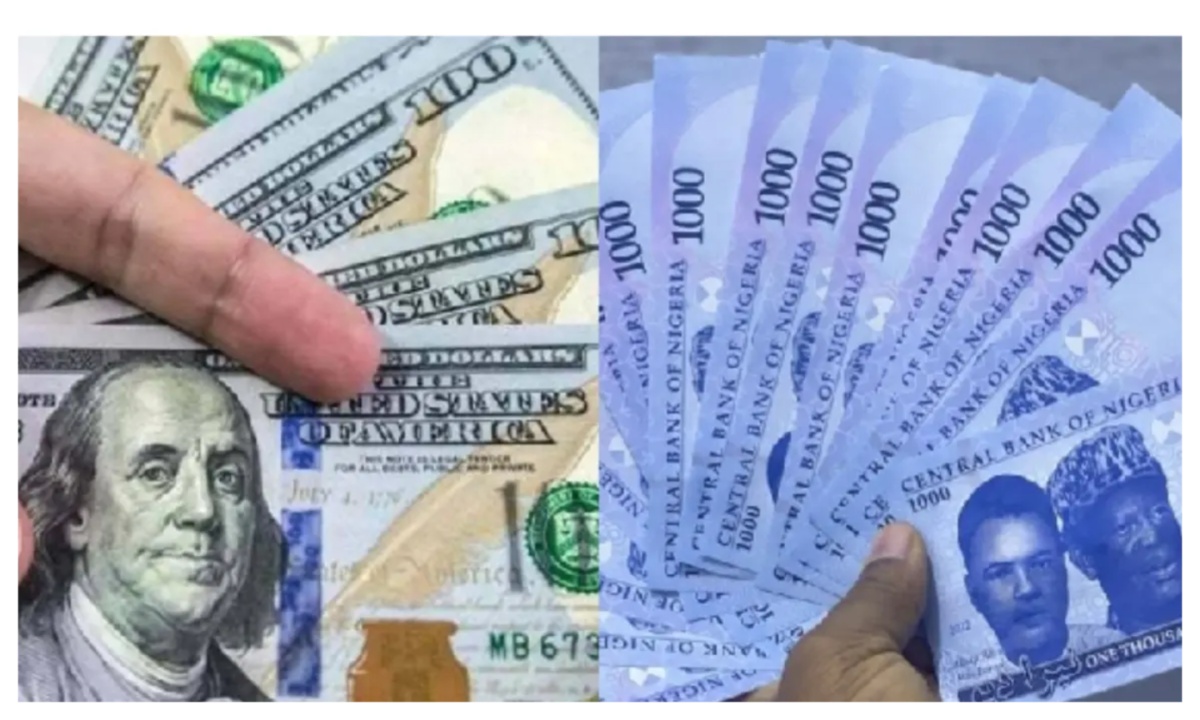
The Nigerian naira maintained relative stability against the United States dollar on Monday, May 11, 2026, trading within a narrow range at both the official and parallel foreign exchange markets amid ongoing interventions by the Central Bank of Nigeria (CBN) and cautious investor sentiment.
Figures published on the Central Bank of Nigeria’s exchange rate portal showed the naira exchanging at about ₦1,361/$ at the Nigerian Foreign Exchange Market (NFEM). During the trading session, the local currency fluctuated between roughly ₦1,355 and ₦1,366 against the dollar as market forces continued to influence demand and supply.
At the parallel market, commonly referred to as the black market, Bureau De Change operators in Lagos and Abuja bought the dollar at around ₦1,385, while selling rates ranged from ₦1,395 to ₦1,405 depending on location and transaction size.
Financial analysts attributed the relatively slim difference between the official and parallel market rates to improved forex liquidity in the formal market and sustained regulatory efforts by the CBN to support the naira.
Market data from recent sessions also suggested that the naira recorded slight appreciation at the NFEM, aided by stronger trading volumes and improved participation in the forex market.
Despite the relative calm, traders said persistent demand for foreign exchange by importers, travellers, and businesses making international payments continues to sustain activity in the parallel market.
Last week, the naira posted slight appreciation against the United States dollar across both the official and parallel foreign exchange markets, supported by improved liquidity and sustained interventions by the Central Bank of Nigeria.
Read related news:
Naira holds steady across markets amid cautious FX demand today, April 5
Naira holds firm across markets as stability persists today, April 30
Figures released by the apex bank showed that the naira strengthened marginally to about ₦1,361 per dollar at the Nigerian Foreign Exchange Market (NFEM), compared to approximately ₦1,362 recorded in the previous trading session.
Trading activity at the official market also improved, with stronger turnover recorded as demand and supply transactions increased.
At the parallel market, commonly referred to as the black market, the dollar traded around ₦1,380 on Thursday, slightly stronger than the ₦1,382 rate seen earlier in the week.
Foreign exchange dealers in Lagos and Abuja said buying and selling rates varied based on location and transaction volume.
The difference between the official NFEM rate and the parallel market rate remained around ₦21, highlighting persistent pressure within the retail foreign exchange segment despite relative stability in the banking window.
Currency traders linked the naira’s improved performance to ongoing monetary policies by the Central Bank aimed at boosting dollar liquidity and reducing exchange rate volatility.
Analysts also pointed to sustained demand for foreign exchange from importers, travellers, manufacturers, and other businesses as a factor continuing to weigh on the local currency.
Meanwhile, turnover in the interbank foreign exchange market reportedly climbed significantly to about $158.2 million, compared to $71.6 million in the previous session, suggesting stronger participation by market players.
Market watchers expect the naira to maintain relative stability in the near term if foreign exchange inflows improve further and Nigeria’s external reserves remain stable.

