


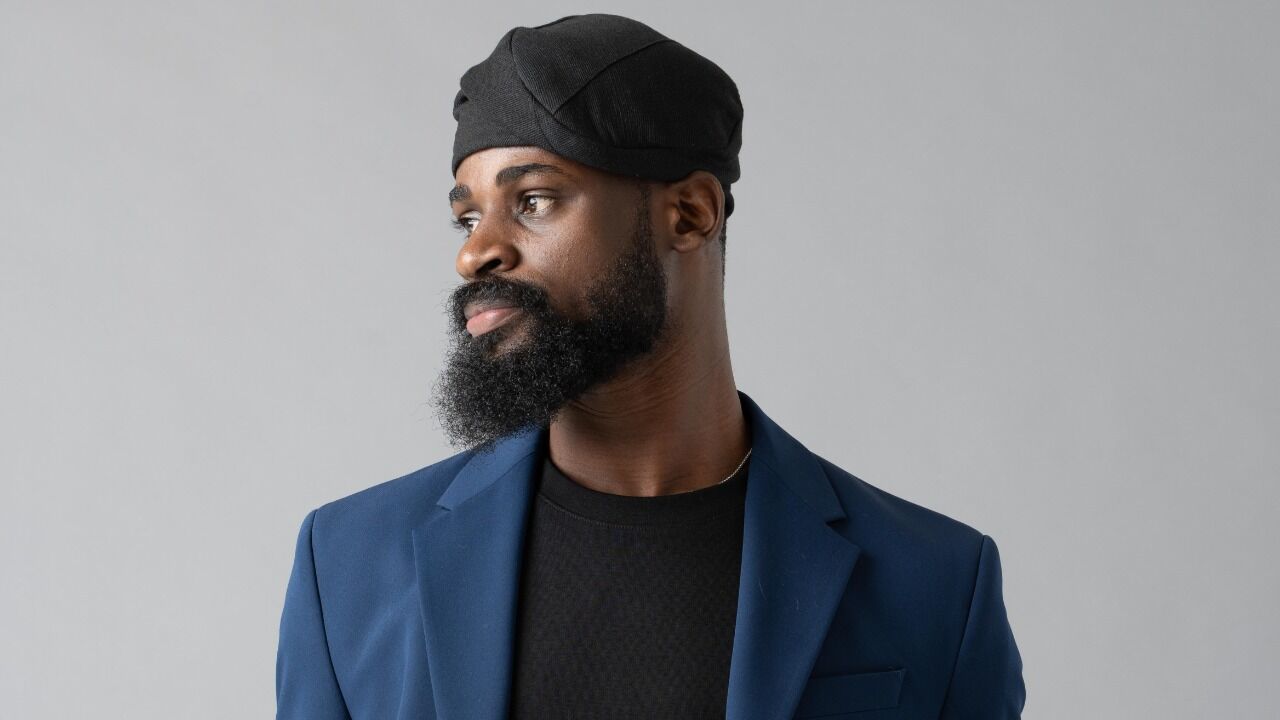
Tunde Onakoya is one of Nigeria’s most influential social impact figures because he has turned chess into more than a game. He has made it a symbol of hope, education and second chances for children often ignored by society.
In a country where millions of children remain outside the classroom, Onakoya’s influence comes from turning a simple chessboard into a tool for confidence, learning and social mobility.
New Daily Prime estimates his weighted influence score at 89.0/100, positioning him among Nigeria’s top public figures whose soft power has helped shape the country’s culture, global image and creative economy.
New Daily Prime Key Influence Metrics for Tunde Onakoya
| Indicator | Assessment |
|---|---|
| Current Power & Institutional Control | Tunde Onakoya does not hold political office or control a state budget, but he has built institutional influence through Chess in Slums Africa, a platform focused on education, mentorship and child development in underserved communities. |
| Reach & Visibility | His visibility is strong in Nigeria and abroad, especially after his chess marathon in Times Square. His story has reached global media, education advocates, social impact organisations and young Nigerians. |
| Impact & Tangible Results | His work has helped bring chess, mentorship, learning support and scholarships to children in poor communities such as Makoko and Oshodi. His impact is practical because it gives children confidence, structure and access to new opportunities. |
| Soft Power & Cultural Influence | Onakoya has changed how many Nigerians see chess. He has made it a symbol of intelligence, hope and social mobility for children who are often ignored. His influence is built on trust, empathy and purpose. |
| Relevance to 2026 | He remains highly relevant because Nigeria still faces major challenges with out-of-school children, poverty and unequal access to education. His work speaks directly to national concerns about youth opportunity and social mobility. |
| Generational Influence | His strongest long-term influence is on children and young people. Through chess, he teaches discipline, planning, patience and problem-solving, helping children believe their background does not have to define their future. |
| National & International Recognition | Onakoya is recognised nationally as a leading social impact advocate and internationally through his Guinness World Record chess marathon, global media attention and recognition from development and education platforms. |
Weighted Influence Scorecard for Tunde Onakoya
| Indicator | Weight | Score | Points |
|---|---|---|---|
| Current Power & Institutional Control | 15% | 7.8 | 11.7 |
| Reach & Visibility | 15% | 9.2 | 13.8 |
| Impact & Tangible Results | 20% | 8.8 | 17.6 |
| Soft Power & Cultural Influence | 15% | 9.4 | 14.1 |
| Relevance to 2026 | 12% | 9.0 | 10.8 |
| Generational Influence | 13% | 9.3 | 12.1 |
| National & International Recognition | 10% | 9.0 | 9.0 |
| Total | 100% | 89.1 |
He holds no political office and controls no state budget. His influence comes from a clear mission: to show that children from poor communities can think, compete and win when given the right support.
Onakoya is the founder of Chess in Slums Africa, a non-profit organisation he started in 2018 to use chess as a tool for education, technology and mentorship for children in poor communities. His story is also personal. According to his official profile, he was born in Ikorodu, Lagos, to a petty trader mother and a bus driver father, and there was a time he had to leave school because of financial difficulty.
This scorecard is an editorial estimate based on his current institutional control, public reach, measurable impact, cultural influence, relevance in 2026, generational value and international recognition.
Read related news:
Tunde Onakoya quits X, cites “Toxicity and Darkness”
Lord’s Achievers Awards 2025 celebrates young icons of impact
Onakoya ranks as a high-impact social influence figure. His score is not built on wealth or formal authority, but on public trust, global visibility, youth impact and the strength of his mission.
His strongest power is soft power. He has made chess feel less like an elite game and more like a language of possibility. In communities where poverty can limit ambition, he uses the chessboard to teach planning, patience, discipline and confidence.
For a child in Makoko, Oshodi or another underserved area, chess is not just a game. It can be the first moment someone tells them their mind has value. That is the emotional force behind Onakoya’s work.
UNESCO has highlighted the stories of children in Makoko whose lives were shaped by Chess in Slums Africa, showing how chess can build confidence, sharpen thinking and reopen doors to learning. The report also noted that Nigeria has millions of out-of-school children and youth, underlining why Onakoya’s work matters in the wider education crisis.
His global breakthrough came through endurance and purpose. Guinness World Records lists Tunde Onakoya and Shawn Martinez as holders of the longest chess marathon, after they played for 64 hours in Times Square, New York, between April 17 and April 20, 2025. The attempt included 473 chess games.
That record was not only a personal achievement. It turned global attention toward children’s education in Africa. It also gave Nigeria a positive story at a time when the country is often discussed internationally through politics, insecurity or economic hardship.
This is what separates Onakoya from ordinary celebrity influence. Many public figures attract attention. Onakoya redirects attention toward children, learning and opportunity.
His work also has measurable social value. Chess in Slums Africa has worked in communities including Oshodi, Makoko and other parts of Lagos. Some children reached through the project have received scholarships, while one young participant with cerebral palsy was invited to play chess with Lagos State Governor Babajide Sanwo-Olu after winning a tournament in Makoko.
Onakoya’s relevance in 2026 remains strong because Nigeria still faces deep challenges in child education, poverty, street children and unequal access to opportunity. His message speaks directly to that national problem. He is not only asking people to admire poor children. He is asking society to invest in them.
His work matters because Nigeria’s future will be shaped not only by those in power, but by whether children in poor communities are given a chance to develop their talent.
His generational influence is also important. Unlike many public figures whose audience is mostly adult, Onakoya works directly with children. He helps shape how they see themselves. A child who learns chess through his programme may not become a grandmaster, but may learn how to think ahead, solve problems and believe that their future is not fixed by their environment.
His international recognition has also grown. His official profile lists awards including The Future Awards Africa Prize for Community Action, Business Insider Social Entrepreneur of the Year, JCI Ten Outstanding Young Persons of Nigeria Award and other honours linked to social impact and children’s development.
Still, a fair assessment must include limits. Onakoya’s movement depends on funding, partnerships, volunteers and long-term structure. Inspiration alone cannot replace education policy. If Chess in Slums Africa is to scale across Nigeria, it will need stronger data tracking, stable funding, transparent systems and deeper partnerships with schools, communities and government agencies.
But his achievement is already clear. He has taken a game often associated with privilege and placed it in the hands of children society too often overlooks.
Tunde Onakoya is influential because he has built a bridge between talent and opportunity. He shows that power does not always need a convoy, political title or government office.
Sometimes it begins with a chessboard, a child and someone willing to see brilliance where others see poverty.
His influence is not built on office, wealth or control. It is built on proof that a child from the margins can still think, dream and win. In a country searching for hope, that message carries power.

