


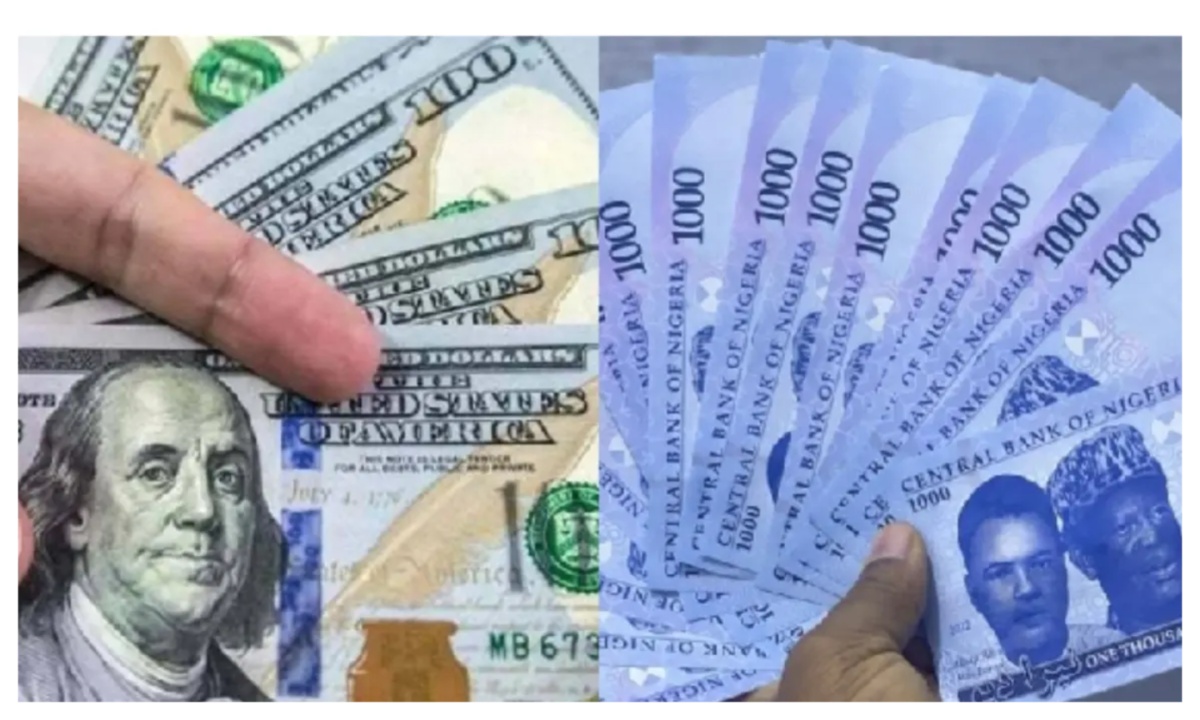
The Nigerian naira posted a mixed performance against the United States dollar on Friday, May 15, 2026, across both the official and parallel foreign exchange markets as traders continued to monitor liquidity levels and demand pressures.
At the official Nigerian Foreign Exchange Market (NFEM), data from the Central Bank of Nigeria showed the naira trading at about ₦1,371 per dollar, compared to approximately ₦1,368.95 in the previous trading session, indicating a slight depreciation of the local currency.
In the parallel market, commonly referred to as the black market, the dollar exchanged between ₦1,392 and ₦1,395 depending on transaction size and location. Forex dealers in Lagos and Abuja quoted slightly lower buying rates, while selling prices remained close to the ₦1,395 mark.
The spread between the official and parallel market rates stood at roughly ₦20 to ₦24 per dollar, suggesting relative stability in the forex market amid ongoing interventions by monetary authorities.
Interbank market data also showed a decline in turnover, which dropped to about $78.8 million from roughly $130.6 million recorded in the previous session, reflecting weaker trading activity and reduced dollar supply.
Financial analysts linked the naira’s recent stability to sustained interventions by the Central Bank, improving external reserves, and stronger participation by banks and investors in the official forex market.
However, they noted that persistent demand for foreign exchange from importers, manufacturers, travellers, and parents making foreign school fee payments continues to place pressure on the local currency.
Marginal appreciation against dollar on Wednesday
The Nigerian naira posted a marginal appreciation against the United States dollar on Wednesday, May 13, 2026, across both the official and parallel foreign exchange markets amid improving liquidity and sustained interventions by the Central Bank of Nigeria.
Data from the Nigerian Foreign Exchange Market (NFEM) showed that the naira traded at about ₦1,373/$ at the official window, improving slightly from roughly ₦1,375/$ recorded in the previous trading session.
The development reflects a modest gain for the local currency as the regulated market continued to witness improved dollar supply and stronger participation from authorised dealers.
At the parallel market, popularly known as the black market, the naira exchanged between ₦1,395 and ₦1,405/$ in Lagos and other major trading centres on Wednesday, representing a slight appreciation compared to rates recorded earlier in the week.
Read related news:
Naira holds steady across markets amid cautious FX demand
Financial analysts linked the improved performance of the naira to increased forex liquidity in the official market, reduced speculative activities, and continued interventions by the Central Bank of Nigeria aimed at stabilising the exchange rate and reducing pressure on the local currency.
The gap between the official NFEM rate and the parallel market rate narrowed to about ₦20–₦30/$, indicating relative stability in the foreign exchange market compared to wider spreads recorded earlier in the year.
Meanwhile, turnover at the NFEM window also rose, signalling stronger activity among foreign exchange traders and authorised dealers despite persistent demand pressures from importers, international school fee payments, business transactions, and travel-related obligations.

