


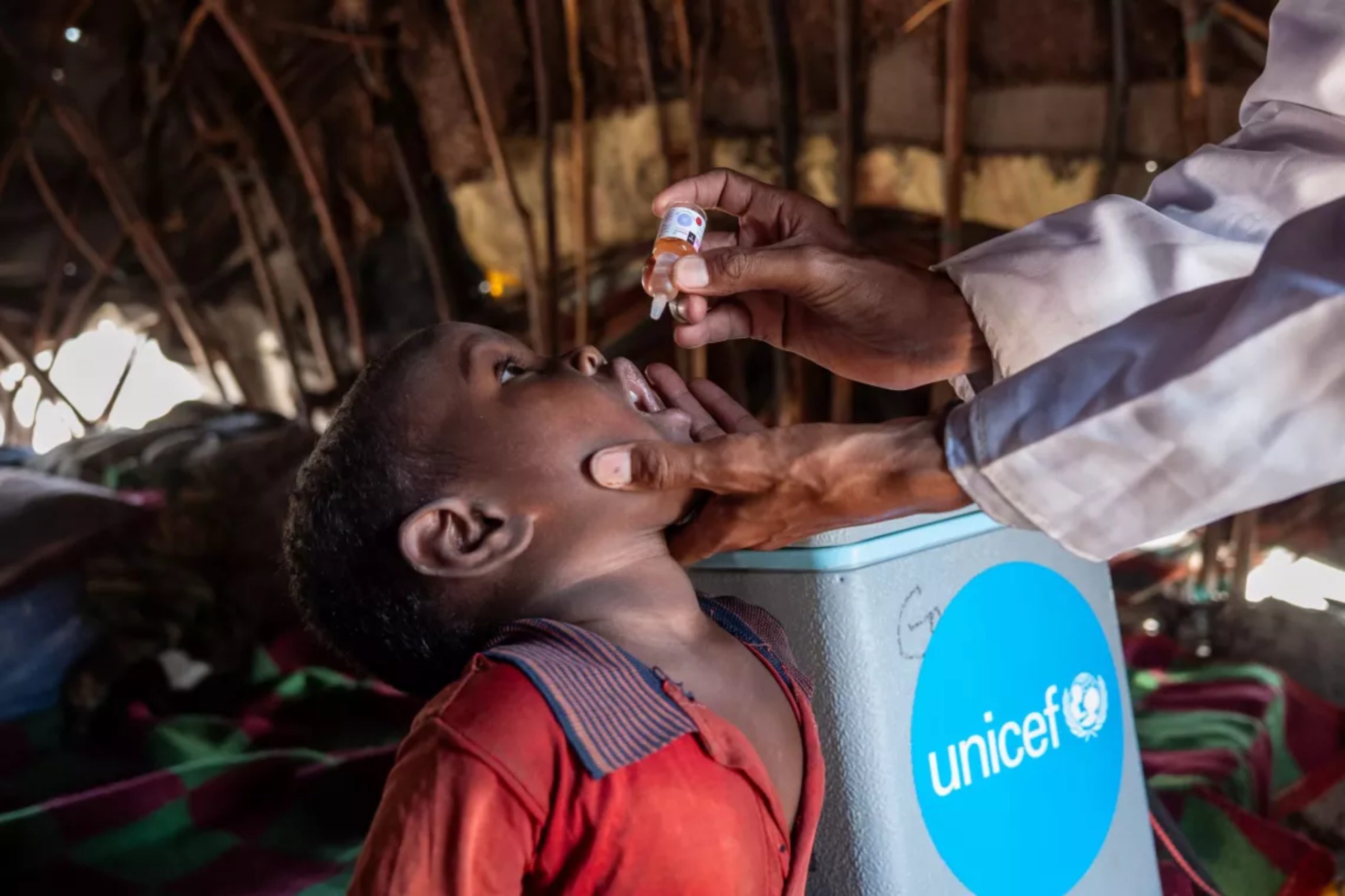
According to UNICEF, more than 14 million “zero-dose” infants missed every routine vaccine last year, raising fears that deadly diseases could return as global health funding falls and vaccine confidence weakens.
Read more breaking stories from our latest health news
Zero-dose children are infants who have not received a single vaccine, leaving them exposed to severe illness and possible death from diseases the world already knows how to prevent.
The warning comes at a difficult time for global health. Overseas aid for health programmes is expected to decline because of funding cuts, while misinformation and falling trust in vaccines are making some parents delay or reject immunisation. Health experts say this could put millions more children at risk and wipe out decades of progress in child survival.
Vaccines remain one of the safest and most effective public health tools ever developed. They prevent an estimated 3.5 million to 5 million deaths every year from diseases such as measles, diphtheria, whooping cough and polio.
Read related news:
WHO, UNICEF back Edo’s measles–rubella vaccination campaign
UNICEF says strong budget planning key to children’s welfare in Katsina
127,550 children targeted in UNICEF–Bauchi immunisation drive
Over the past 50 years, immunisation has helped reduce global infant deaths by 40 per cent, making it one of the strongest drivers of child survival. Since 1974, according to UNICEF, vaccines have saved about 154 million lives, with children under five making up 95 per cent of those saved. The measles vaccine alone is credited with saving nearly 94 million lives.
For many families, especially in poor or conflict-hit communities, a child’s first vaccine is more than protection against disease. It is often their first contact with the primary healthcare system. At vaccination centres, families can also receive nutrition advice, growth checks and other support that can improve a child’s chance of growing up healthy.
The success of vaccines can be seen in some of the world’s greatest health victories. Smallpox, which killed around 300 million people in the 20th century, was declared eradicated in 1980, largely because of vaccination. Polio cases have also fallen by 99 per cent since 1988, after about 3 billion children were immunised. As a result, around 20 million people are walking today who might otherwise have been paralysed.
Protection is also expanding. Safe and effective vaccines now exist against more than 30 diseases, including rotavirus, pneumonia, measles and human papillomavirus, known as HPV. The HPV vaccine can prevent up to 90 per cent of cervical cancer cases, but access remains uneven. Girls and women in low- and middle-income countries, where the vaccine is least available, still account for most cervical cancer deaths.
Health officials warn that when vaccine coverage falls, outbreaks can return quickly. Measles is often one of the first diseases to strike because it spreads easily in communities where children are not protected. In 2024, Europe and Central Asia recorded their highest measles cases in 25 years after immunisation coverage declined.
The risk is even greater in fragile and conflict-affected countries. More than half of unvaccinated children live in 31 countries affected by conflict or instability, where weak health systems, poor nutrition and insecurity leave children more exposed.
Despite false claims about vaccines, health experts say vaccines are rigorously tested before approval and continuously monitored after use. Most side effects are mild, while serious adverse reactions are rare. Safety systems are also in place to detect and respond to possible concerns.
The economic case is also strong. Every $1 invested in childhood immunisation can produce about $54 in health and economic benefits, making vaccines one of the best investments in global development.
As the world’s largest vaccine buyer, UNICEF delivers more than 2 billion doses every year, enough to help protect nearly half of the world’s children under five. The agency also supports governments and communities to build stronger health systems.
The message is clear: vaccines have saved millions of lives, but progress can be lost if children are left unprotected. Governments, donors and health agencies now face a major test, protect vaccine funding, fight misinformation and reach children in the hardest places before preventable diseases return.
No child should die from a disease the world already knows how to prevent.

