


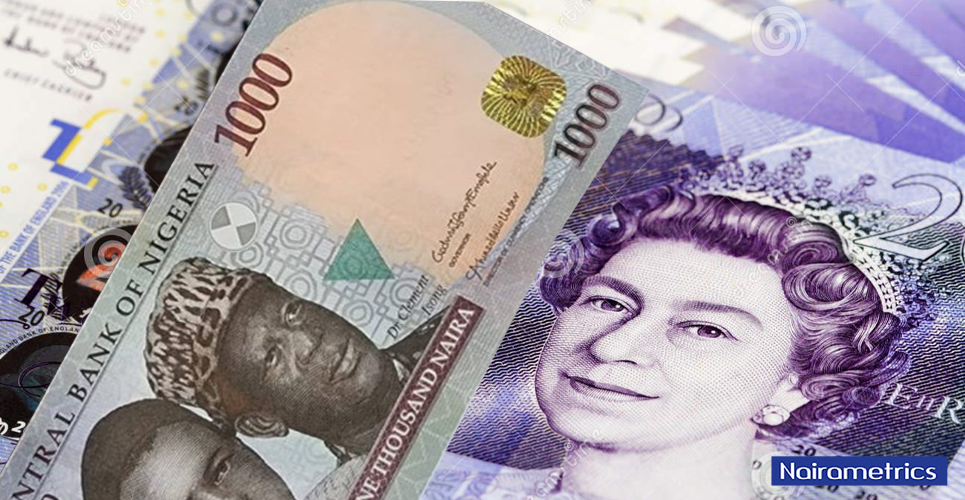
The Nigerian currency slipped again against the British pound on March 30, 2026, underscoring sustained pressure in the foreign exchange market. Data from OANDA shows the naira traded at ₦1,833.12 to £1, compared with ₦1,846.73 the previous day and ₦1,842.62 earlier, pointing to continued volatility driven by strong demand for foreign currencies.
The latest movement reflects deep-rooted challenges in Nigeria’s forex system. Analysts say limited supply of foreign exchange, combined with heavy dependence on imports and international transactions, continues to weigh on the naira. Businesses and individuals seeking funds for overseas obligations are adding pressure to an already strained market.
Read related news:
Naira falls to ₦1,848/£ as forex pressure deepens in Nigeria
Naira extends losses, trades at ₦1,846.73 per pound — March 26, 2026
Forex pressure deepens
Despite recent reforms aimed at improving transparency and liquidity, the naira has remained unstable. Demand for major currencies, especially the British pound continues to outstrip supply, pushing the local currency lower. Market watchers note that structural issues, rather than short-term shocks, are driving the trend.
The pound remains a key currency in Nigeria’s international dealings, reflecting strong economic and educational ties with the United Kingdom. Its movements have direct consequences for both households and businesses.
Why the pound matters
As one of the world’s most traded currencies, the pound plays a central role in transactions involving tuition, imports, healthcare and travel. For Nigerian families, a stronger pound means higher costs for students studying abroad, rising medical bills and more expensive travel plans.
Importers are also feeling the impact. The higher cost of accessing forex is pushing up the price of goods and services, with effects likely to filter through to consumers.
Economic impact
Economists warn that continued depreciation could worsen inflation and reduce purchasing power. Small and medium-sized businesses, many of which depend on imported inputs, face increasing strain as costs rise.
The naira, issued by the Central Bank of Nigeria, remains a key measure of the country’s economic health. Its value is influenced by oil earnings, foreign reserves, investor sentiment and policy direction.
Looking ahead, analysts say stability will depend on stronger forex inflows, consistent policies and improved global conditions. Until then, volatility is expected to persist as demand for foreign currency continues to outpace supply.

