


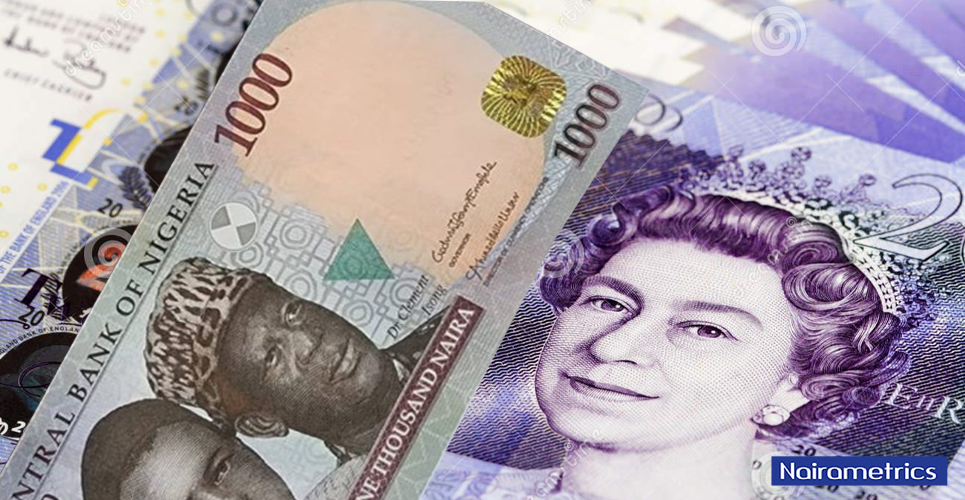
The Nigerian naira weakened further against the British pound on Tuesday, trading at ₦1,842.62 to £1 on March 25, 2026, according to data from OANDA Corporation, highlighting continued pressure on Nigeria’s foreign exchange market.
The latest exchange rate reflects sustained demand for foreign currency and ongoing volatility in the naira, as businesses and individuals continue to rely heavily on imports and international transactions.
Naira Under Pressure in Forex Market
Currency analysts say the depreciation of the naira against the pound underscores structural challenges in Nigeria’s forex supply, including limited dollar inflows and strong demand for foreign currencies.
Despite recent reforms aimed at improving transparency and liquidity, the naira continues to struggle against major global currencies, including the pound, which remains a key benchmark for international trade and financial transactions.
Why the Pound Matters to Nigeria
The British pound sterling (GBP) is one of the world’s most traded currencies and plays a significant role in Nigeria’s economic interactions with the United Kingdom.
For many Nigerians, the pound is particularly important due to: Education expenses for students studying in the UK, Importation of goods and services and Medical and travel costs abroad
As the pound strengthens against the naira, these costs rise, placing additional pressure on households and businesses.
Read related news:
Front pages of Newspapers around World — 24 March 2026
Tinubu says Naira will strengthen to ₦1,000 per Dollar in coming weeks
The current exchange rate is expected to have widespread economic implications: Higher tuition fees for Nigerian students in UK institutions, Increased cost of imported goods, leading to higher prices in local markets, Rising travel and healthcare expenses abroad and Pressure on small and medium-sized businesses dependent on foreign exchange. Economists warn that continued depreciation could worsen inflationary trends and reduce purchasing power.
The Nigerian naira (NGN) is the official currency of Nigeria and is issued by the Central Bank of Nigeria. It is subdivided into 100 kobo and remains a key indicator of the country’s economic performance.
The value of the naira is influenced by factors such as oil revenue, foreign reserves, investor confidence, and monetary policy decisions.
Market observers say the naira’s outlook will depend on improvements in foreign exchange inflows, government reforms, and global economic conditions.
While authorities continue to implement policies aimed at stabilising the currency, short-term volatility is expected to persist as demand for foreign exchange remains high.
For now, the ₦1,842.62 exchange rate against the pound highlights the ongoing challenges facing Nigeria’s currency and the broader economy.

