



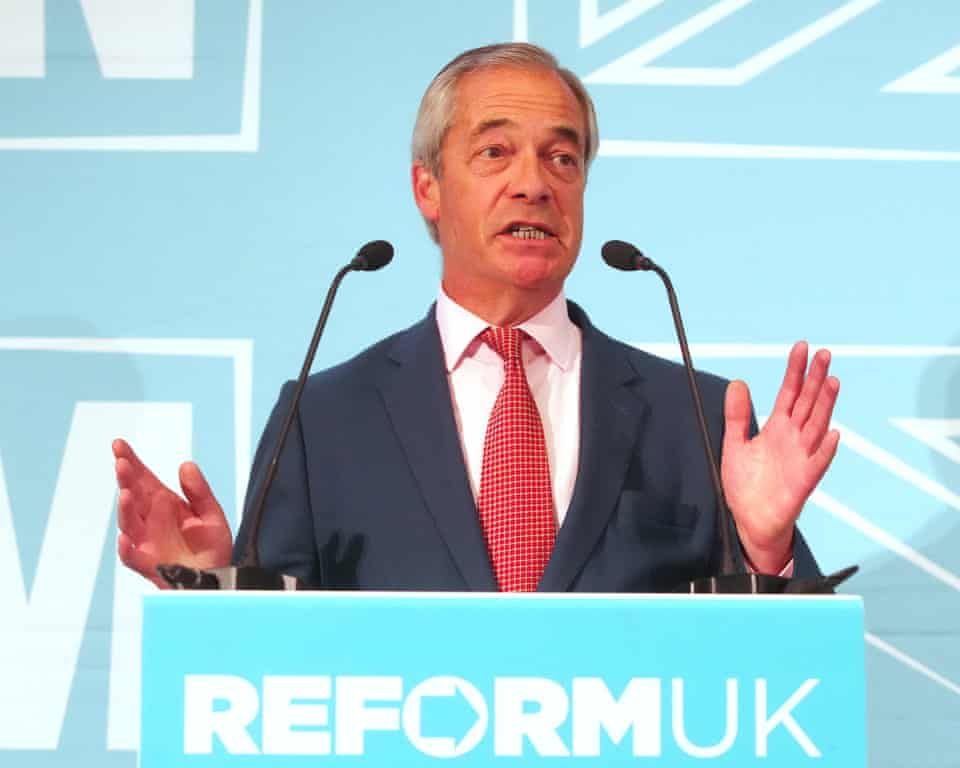
Nigel Farage has called for a ban on NHS treatment for asylum seekers, reopening a contentious debate over immigration, public spending and access to healthcare in the United Kingdom.
Read more breaking stories from our latest nigeria news
The Reform UK leader made the remarks during a rally in Aberdeen, where he argued that the National Health Service should prioritise British citizens rather than provide costly treatment to people newly arriving in the country. His comments focused on current NHS rules that allow asylum seekers, including those whose claims have been refused, to receive care for serious conditions such as HIV.
Read related news:
Nigel Farage’s Reform UK becomes Britain’s largest party ahead general election
Farage visits Dubai to meet officials, seek donations
Starmer brands Farage “spineless” over school racism allegations, Reform MP remarks
Farage said the system was being stretched beyond its original purpose. “The truth of it is: this is a national health service. It is not an international health service,” he told supporters, questioning why migrants should be entitled to expensive treatment funded by taxpayers.
Under existing NHS guidelines, asylum seekers can access a range of healthcare services, particularly for infectious diseases. Health officials say this approach is designed to protect wider public health by ensuring early diagnosis and treatment, regardless of immigration status.
Farage’s proposal would mark a significant policy shift, restricting access to treatment for some of the most vulnerable groups. He framed the issue as one of fairness, arguing that priority should be given to those who have contributed to the system over many years. “What we need to do is to put the NHS there for British people and families,” he said.
The issue is not new for Farage. During the run-up to the 2015 general election, he claimed that HIV treatment for migrants could cost up to £25,000 per patient each year, sparking a political backlash. At the time, Labour leader Ed Miliband described the comments as “disgusting”, while Liberal Democrat minister Jo Swinson called them a “new low”.
Critics have again raised concerns about the implications of such a policy. Public health experts warn that limiting access to treatment could lead to higher long-term costs and increased health risks. They argue that denying care based on immigration status may discourage people from seeking early treatment, potentially worsening the spread of infectious diseases.
Legal analysts have also questioned whether a blanket ban could conflict with existing obligations under UK and international law. The NHS has long operated on the principle of providing care based on clinical need, a standard that campaigners say should not be altered.
The development reflects broader trends in APC political updates across Nigeria.
Farage’s intervention comes as Reform UK seeks to expand its influence ahead of upcoming elections, positioning itself as a challenger to established parties on issues such as immigration and public services. However, he acknowledged that his party is unlikely to secure immediate electoral dominance, suggesting instead that Reform could emerge as a strong opposition force in the near term.
His remarks also exposed differences within the party. Scotland leader Lord Offord of Garvel has expressed greater optimism about Reform’s electoral prospects, though he described Farage’s latest comments as “unscripted” and reflective of internal debate.
The proposal is expected to remain a focal point in political discussion in the coming weeks, as parties set out competing visions for the future of the NHS. For supporters, it raises questions about sustainability and fairness. For critics, it highlights concerns about access to care and the potential consequences for public health.
As the UK continues to grapple with pressures on its health system, Farage’s call for an NHS ban on asylum seekers’ treatment has once again placed immigration policy at the centre of the national conversation.

