


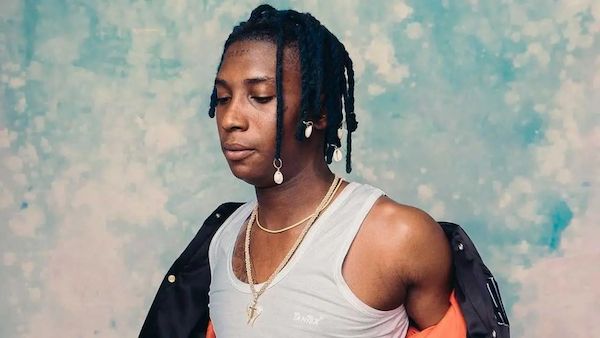
Nigerian singer Bella Shmurda has emphasised that music goes far beyond entertainment, describing it as a powerful tool for societal growth and emotional well-being.
Speaking in the For Bunmi documentary, the ‘Cash App’ crooner characterised music as a form of “warfare,” highlighting its influence in shaping thoughts, culture, and collective consciousness.
Read Also:
Bella Shmurda opens up on struggles with costly music promotion
Extravagant spending nearly made me bankrupt — Bella Shmurda
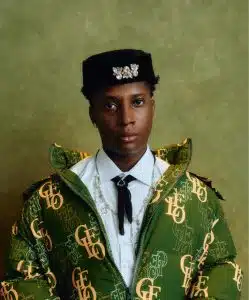
According to him, music plays a vital role in driving progress, spreading goodwill, and helping individuals navigate life’s challenges.
“Music is warfare. Music is a tool for the society. Music is a tool of progress. Music is an instrument of goodwill,” he said. “Music is a tool to keep people sane, to put them in the right state of mind, to make them dance away their sorrow, and to make them feel alive and self-conscious.”
His remarks reflect a broader perspective that positions music as more than just a commercial or recreational activity.
In many societies, particularly in Nigeria, music has historically served as a voice for the people, addressing social issues, inspiring movements, and providing an outlet for emotional expression.
From protest songs to feel-good anthems, artists often shape public conversations and influence how people respond to societal realities.
Bella Shmurda’s framing of music as “warfare” suggests a more strategic and intentional use of sound and lyrics, not in a violent sense but as a means of resistance, awareness, and transformation.
In this context, music becomes a battleground of ideas, where artists can challenge norms, highlight injustice, and promote unity or change.
Beyond its societal impact, the singer also opened up about how fatherhood has influenced his creative direction. According to him, becoming a parent has made him more reflective and intentional about the kind of content he produces.
He noted that he is now more conscious of his lyrics and overall message, as he wants his children to grow up feeling proud of his body of work.
This shift, he explained, has encouraged him to prioritise meaningful and responsible storytelling in his music.
For many artists, personal experiences, such as parenthood, often mark a turning point in their careers. It can lead to more introspective themes, cleaner messaging, or a stronger sense of purpose.
In Bella Shmurda’s case, fatherhood appears to have deepened his understanding of music as both an influence and a legacy.
His comments come at a time when conversations around the role of entertainment in society are becoming more prominent.
With the rise of Afrobeats on the global stage, Nigerian artists are increasingly aware of their influence not just locally but also internationally.
This visibility comes with both opportunities and responsibilities, especially in shaping narratives about culture, identity, and social values.
Bella Shmurda’s perspective aligns with a growing belief among creatives that music should not only entertain but also contribute positively to society.
Whether by offering comfort during difficult times, inspiring change, or simply helping people feel seen and understood, music remains one of the most powerful forms of human expression.
Ultimately, his message underscores the idea that behind every beat and lyric lies the potential to impact lives, making music not just an art form but a force for connection, healing, and progress.
For more details, visit New Daily Prime at www.newdailyprime.news.

