



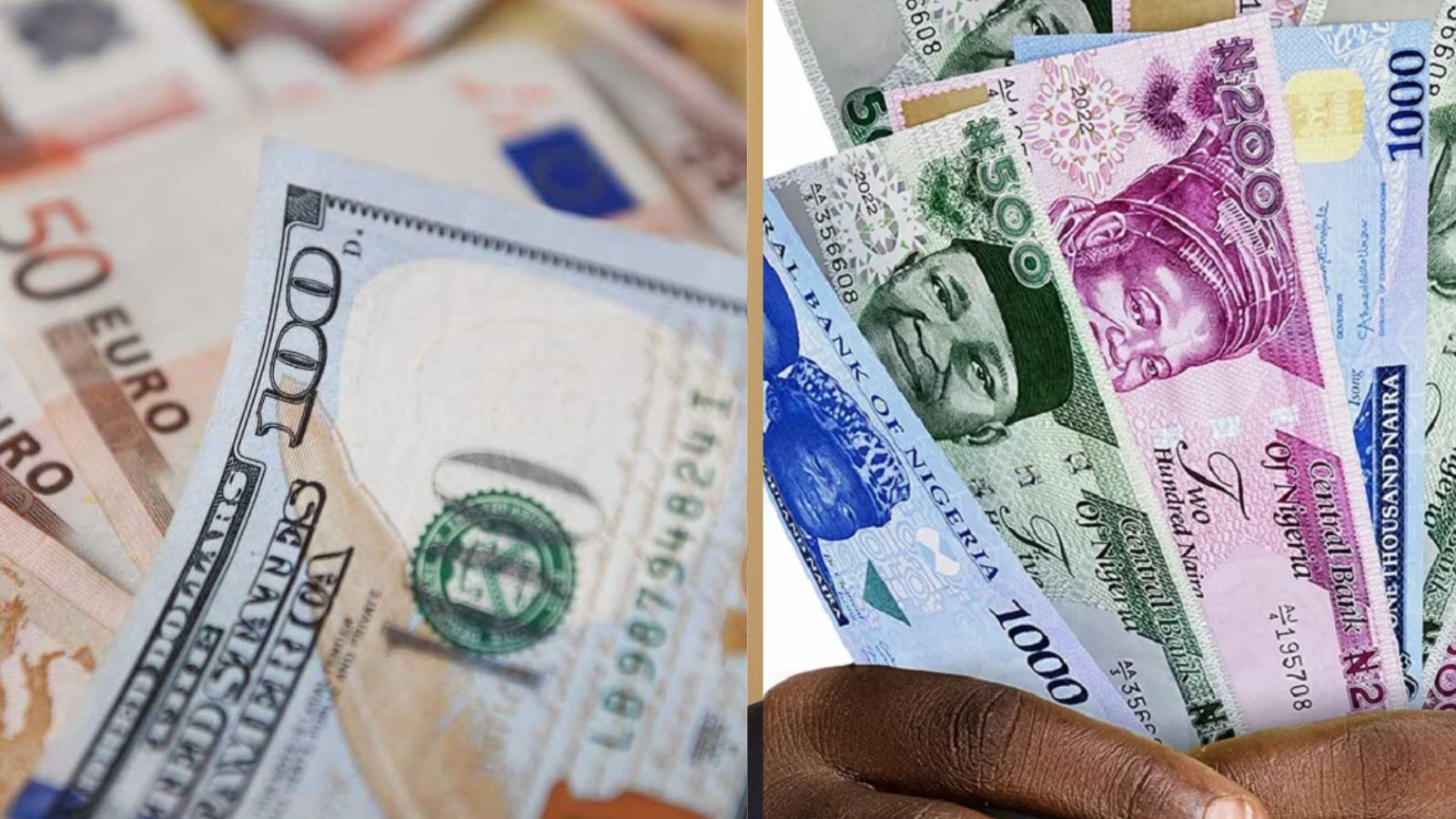
The Nigerian naira traded within a narrow and relatively stable range against the United States dollar on Tuesday, May 5, 2026, across both the official and parallel foreign exchange markets.
Data from the Central Bank of Nigeria showed that at the Nigerian Foreign Exchange Market (NFEM), the naira hovered around ₦1,374 per dollar. Trading during the session fluctuated within a band of about ₦1,362 to ₦1,378, reflecting modest day-to-day movements.
At the parallel market, commonly referred to as the black market, rates remained slightly higher. Bureau De Change operators in major trading hubs such as Lagos and Abuja quoted the dollar at approximately ₦1,385 for buying and around ₦1,400 for selling, depending on transaction size and location.
The spread between the official and parallel market rates remained relatively moderate, a development attributed to ongoing efforts by the apex bank to improve dollar liquidity within the formal market window.
Currency traders say sentiment remains cautious, driven by persistent demand for foreign exchange from importers, travellers, and businesses that still struggle to access dollars through official banking channels.
Analysts note that the naira’s trajectory in the coming days will likely depend on key macroeconomic factors, including global crude oil prices, Nigeria’s foreign reserve position, and policy interventions by monetary authorities aimed at stabilising the forex market.
What the rates says yesterday
The naira began the first trading week of May on a relatively stable note against the US Dollar, maintaining a narrow range across both official and informal foreign exchange markets.
At the Nigerian Foreign Exchange Market (NFEM), the currency is currently exchanging at about ₦1,375.98 to the dollar. Early trading on Monday, May 4, 2026, showed only slight movements, with the naira briefly touching ₦1,376.00 before settling back, marking a marginal improvement from the ₦1,375.65 recorded earlier in the day.
Activity at the official window reflects cautious optimism among market participants, with the Central Bank of Nigeria (CBN) continuing efforts to support liquidity and stabilise the currency amid steady demand.
In the parallel market, however, the dollar continues to trade at a premium. Bureau De Change operators in key locations such as Lagos and Abuja are quoting an average buying rate of around ₦1,410 per dollar, with variations depending on transaction size and location.
Read more: Naira opens May with narrow fluctuations today, May 1
The relatively narrow spread between the official and parallel markets signals ongoing attempts to align both segments, even as demand for foreign exchange remains elevated due to trade obligations, travel needs, and other offshore payments.
Other major currencies also showed notable activity in the informal market. The British Pound is trading at approximately ₦1,720, while the Canadian Dollar is hovering around ₦1,035, reflecting continued interest from travellers and import-dependent businesses.

