


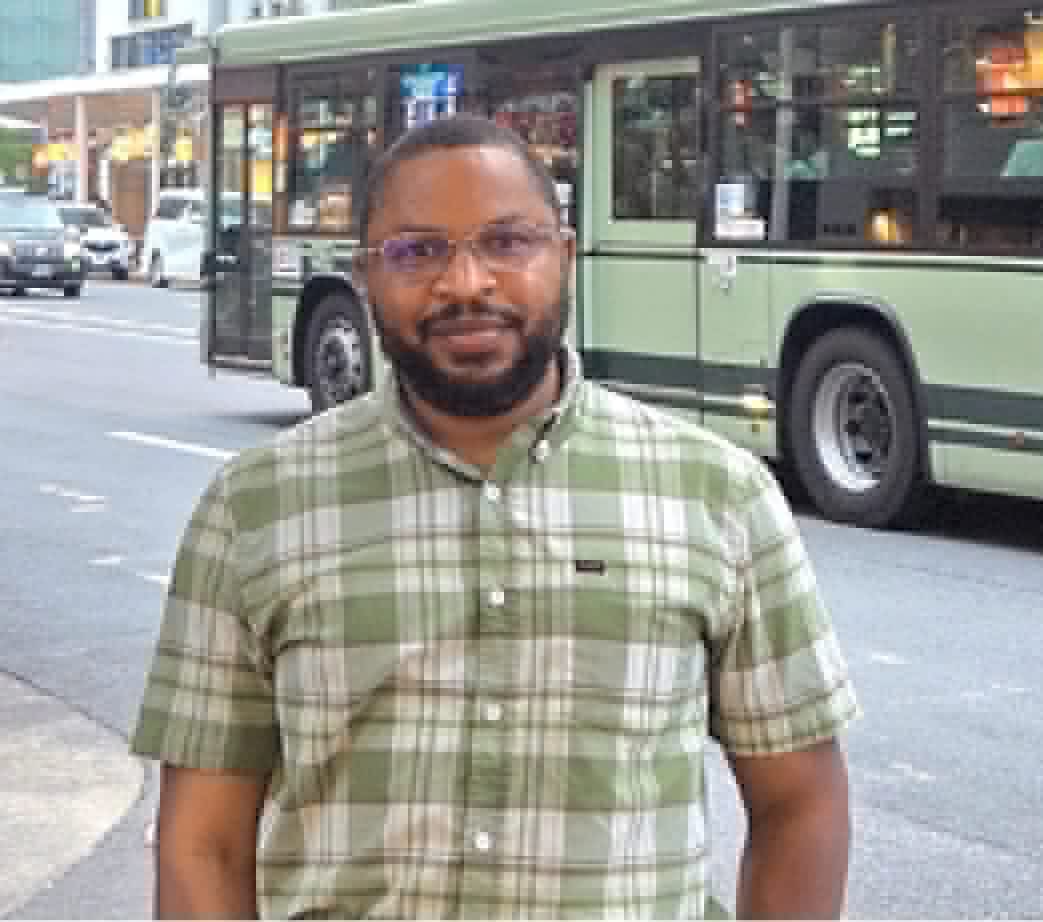
The Bayero University in Kano State (BUK) has commenced a preliminary investigation into allegations of online misconduct involving a person reported to be one of its students.
In a press statement issued on Wednesday , the university management said it had taken note of allegations circulating in a public commentary on social media linking the individual to acts of online impersonation and financial misconduct.
READ MORE:MIPAD 2025 awards: Ebuka, Bovi, Juliet Ibrahim, others honoured
Senate rebukes NNPCL CEO over ₦210 Trn audit discrepancies
The statement, signed by the Director of Public Affairs, Lamara Garba, noted that the institution maintains strict standards of conduct, discipline and character for all students throughout their academic stay.
“The management wishes to state that Bayero University Kano maintains strict standards of conduct, discipline and character for all students throughout the duration of their studies. Any conduct capable of bringing the name and reputation of the university into disrepute is treated with the utmost seriousness,” the statement said.
BUK also stressed that the personal actions of any individual student do not represent the values or character of the institution.
According to the university, a preliminary inquiry has already begun to establish the facts surrounding the allegations. Relevant university authorities are currently reviewing the matter in line with the institution’s rules and disciplinary procedures guiding students’ conduct.
The university further commended the public-spirited efforts of Farooq Kperogi and other individuals who support students financially by assisting with registration fees and other educational expenses. It described such gestures as important contributions toward expanding access to education and supporting deserving students.
BUK assured members of the public that if the allegations are substantiated, appropriate disciplinary measures would be taken in accordance with the university’s regulations and applicable laws.
The institution also urged the public to allow the investigative process to run its course and to refrain from spreading speculation or unverified information.
How It All Started
Last Friday, Farooq Kperogi, a Nigerian columnist and university professor in Kennesaw State university Atlanta in the United State of America posted an inquiry about a student or lecturer in the department of Microbiology at Bayern university.
Hours later. Kperogi posted that a person identified as Halima Tahir whom he suspected to be a fraudster reached out to him for academic help by helping him to settle his tuition fee.
According to her, the student claimed she lost his father in 2024 and she now struggled to pay her school fees. I helped her. A few months later, she reached out again with another request related to school expenses, which I also obliged.
“But several red flags caused lingering doubts about her identity. Her initial email to me in 2025 carried the name “Ishmael Sani” as the display name, even though the content of the email itself identified the sender as Halima Tahir. Within minutes, she sent another email with the same content but with “Halima Tahir” as the display name. Both Ishmael Sani and Halima Tahir used the same email address: [email protected]”

He continues: “When I confronted “Halima Tahir” about this, she offered an explanation for the discrepancy, although I no longer recall what it was”.
In the post, Kperogi also noted discrepancies of Zenith account details but dismissed the suspicion as Nothern Nigeria uses variant spelling or pronunciation of Tahir and Dahiru.
He also pointed out that the invoice the scammer sent me was fake. Among other red flags, he said, the scammer listed “Faculty of Science” instead of the correct “Faculty of Life Sciences.”
“I am not wealthy, but over the years I have quietly helped many genuine students across the country whom I do not know and will probably never meet. I do it because I know what it means to struggle and to lack”, Kperogi added.

Also, Ismail Sani, the accused student also issued public apology to Kperogi but later deactivated his Facebook page. As of press time, searches to find his post and account proved abortive.

