


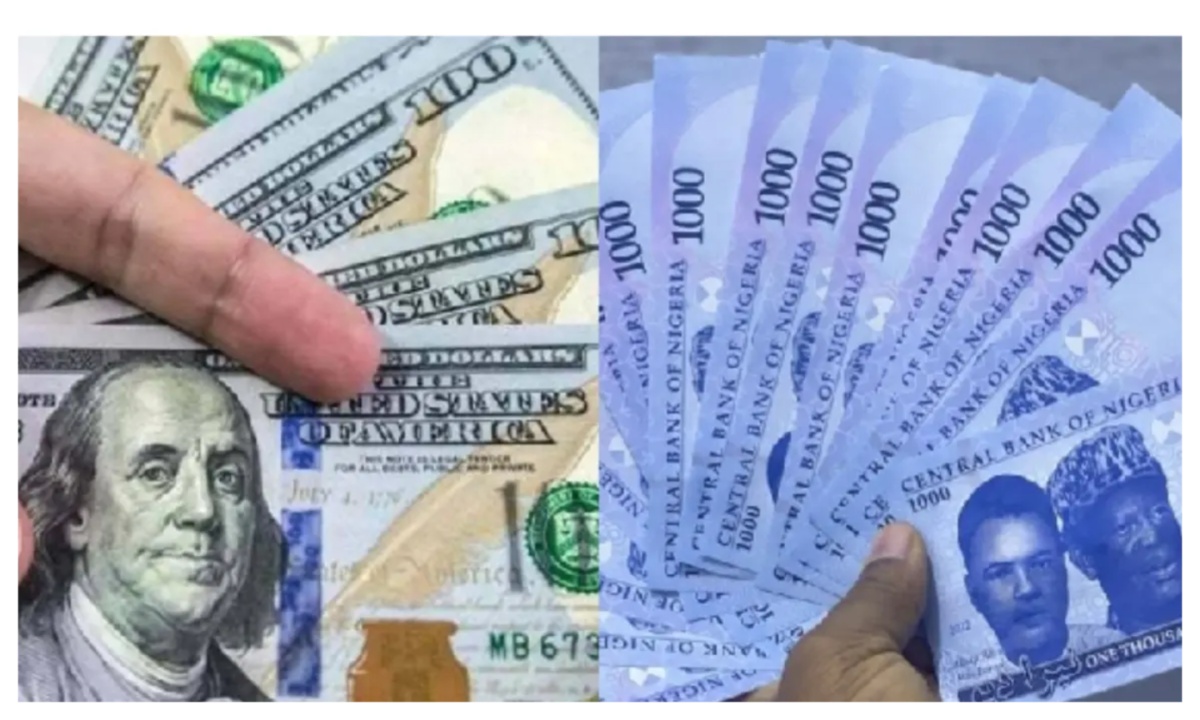
The Nigerian naira showed relative stability against the US dollar on Wednesday, April 29, 2026, as cautious trading and sustained demand shaped activity across both official and informal foreign exchange markets.
At the Nigerian Foreign Exchange Market (NFEM), the official trading window, figures from the FMDQ Securities Exchange indicated the currency hovered around ₦1,360 to the dollar in early deals. The rate, close to ₦1,360.19/$, reflects only minor fluctuations compared to the previous session.
The performance continues a recent pattern where the naira has traded within the mid-₦1,350 to ₦1,360 band, supported by interventions and moderated demand at the official window, largely influenced by policies of the Central Bank of Nigeria.
In contrast, the parallel market maintained a weaker position, with the dollar exchanging between ₦1,400 and ₦1,480, depending on location and transaction size.
The persistent gap between both markets is attributed to unmet demand for foreign exchange from importers, travellers, and individuals who are unable to access dollars through formal banking channels.
Analysts note that the current outlook reflects a fragile equilibrium, where stability at the official window contrasts with continued pressure in the informal segment.
Overall, the naira’s movement on the day highlights resilience in the regulated market, even as underlying demand continues to weigh on the broader foreign exchange landscape.
Yesterday, the naira opened trading on a relatively stable note against the US dollar, with modest movements recorded across both official and parallel market segments.
At the official window, also known as the Nigerian Foreign Exchange Market (NFEM), the currency traded around ₦1,360.19 to the dollar in early deals. Data from FMDQ Securities Exchange showed slight intraday fluctuations, with the naira initially quoted at about ₦1,359.23 before adjusting marginally as trading progressed.
Market activity at the official window continues to reflect the dynamics of the “willing buyer, willing seller” framework overseen by the Central Bank of Nigeria. The apex bank is maintaining close supervision to support transparency and reduce sharp volatility in the foreign exchange market.
In contrast, the parallel market sustained a wider spread, with the dollar exchanging between ₦1,480 and ₦1,495 in key commercial hubs such as Lagos, Kano, and Port Harcourt. The premium in this segment highlights persistent retail demand for foreign currency, particularly among small-scale importers and individuals seeking forex for travel and personal transactions.
Analysts note that the gap between official and parallel market rates remains an important indicator of unmet demand within the formal system.

