


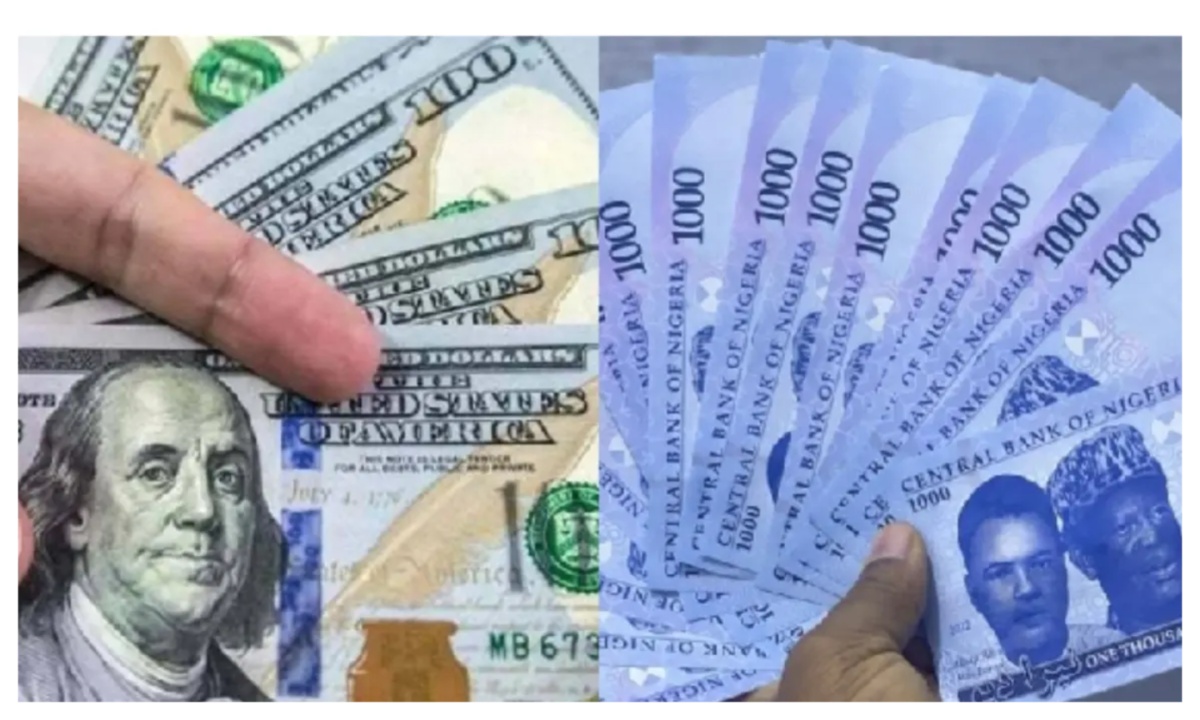
The Nigerian naira traded within a relatively stable range against the United States dollar on Monday, June 1, across both the official Nigerian Foreign Exchange Market (NFEM) and the parallel market, as traders continued to monitor foreign exchange liquidity and demand conditions.
Data published by the Central Bank of Nigeria (CBN) showed that the official NFEM exchange rate closed at ₦1,373.25 per dollar on May 29, the latest available benchmark rate at the start of trading on June 1. During the session, the market recorded a high of ₦1,375 and a low of ₦1,372 per dollar.
Market analysts attributed the naira’s relative stability to improved interbank trading activity and sustained liquidity within the foreign exchange market. Increased turnover in the interbank segment has helped support the local currency despite persistent demand for foreign exchange from importers and other market participants.
In the parallel market, commonly referred to as the black market, the dollar traded at about ₦1,375 for buying and between ₦1,385 and ₦1,405 for selling, depending on location and dealer quotations.
Naira holds steady against Dollar across markets today, April 29, 2026
Naira trades steady against dollar across markets today May 25, 2026
Naira trades steady against dollar across markets today May 25, 2026
Currency tracking platforms also showed the average parallel market rate hovering around ₦1,385 per dollar, leaving a relatively narrow gap between the unofficial market and the official NFEM rate of ₦1,373.25.
The naira has maintained a largely stable trajectory in recent weeks as the CBN continues to implement market reforms and liquidity management measures aimed at improving transparency, boosting investor confidence and reducing exchange rate volatility.
However, analysts noted that demand pressures and external market developments remain key factors that could influence the currency’s performance in the coming weeks.
Exchange rates may vary across banks, bureaux de change, fintech platforms and parallel market dealers depending on transaction size, location and prevailing market conditions.
At the end of last week, maintained relative stability against the United States dollar on across both the official and parallel foreign exchange markets amid sustained liquidity support and continued monitoring by market participants.
Analysts said the official market continues to benefit from improved foreign exchange inflows and ongoing interventions by the apex bank aimed at stabilising the local currency.
At the parallel market, commonly referred to as the black market, the dollar traded at an average buying rate of about ₦1,378 and a selling rate of approximately ₦1,390 on Friday.
The spread between the official and unofficial market rates remained relatively narrow compared to previous months, a development market observers attributed to improved FX liquidity and growing confidence in the foreign exchange market.

