


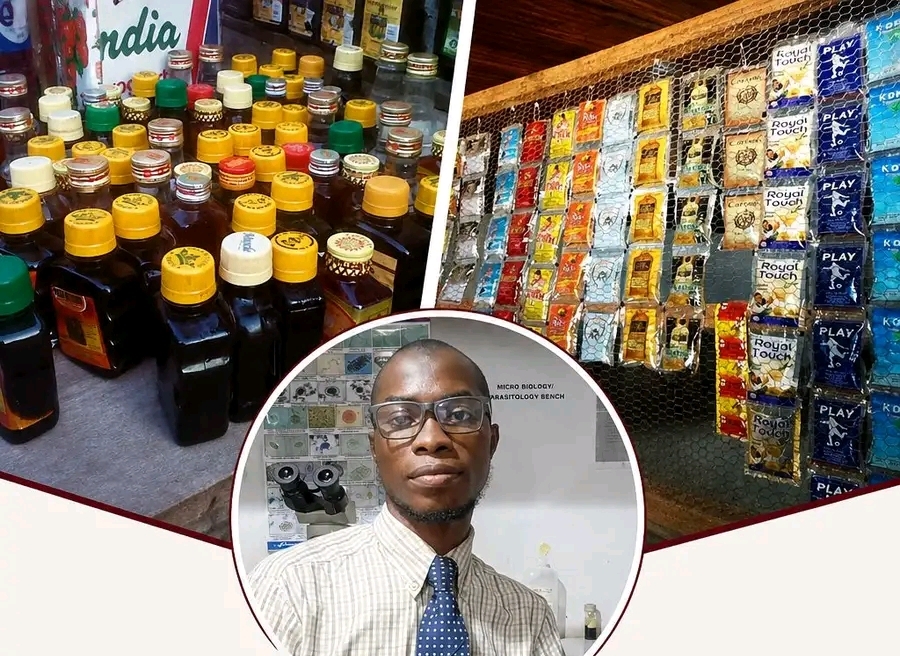
A Medical Laboratory Scientist, Ibraheem Olasunkanmi Qoseem, has raised concerns over the growing spread and consumption of local gin in Ilorin, warning that the spread could pose serious health risks and undermine community wellbeing if left unchecked.
In a public post made on his Facebook page, Qoseem expressed concerns that a substance once largely associated with the fringes of society has now found its way into more visible and socially active parts of the city. He established that the shift reflects a broader weakening of traditional safeguards that once limited the spread and consumption of locally distilled alcohol.
He noted that Ilorin, historically associated with strong cultural discipline and religious conservatism, is witnessing a gradual normalisation of alcohol consumption patterns that were previously less visible. According to him, this development signals a change not only in availability but also in social attitudes.
READ RELATED NEWS UPDATES
NAFDAC denies suspending sachet alcohol ban
US Surgeon General links alcohol consumption to greater cancer risk
AFCON 2025: CAF bans alcohol, weapons, drones
What he described as particularly alarming is the ease of access and affordability of unregulated local gin. He said this accessibility has widened consumption across different age groups, thereby raising concerns about exposure among minors and young adults.
He warned, “Local gin or other breweries, none is advisable for consumption. They are lethargic, socially disruptive, and economically distressing.”
He emphasised that his concern is heightened by what he views as the absence of effective regulatory control in production and distribution channels.
Qoseem, who writes from Ilorin in Kwara State, further linked the trend to emerging health challenges. He established that increased consumption of locally distilled alcohol may be contributing to rising cases of organ-related illnesses, particularly liver and kidney complications. He added that families are increasingly burdened by the financial strain of managing alcohol-related health conditions.
He also drew attention to possible behavioural implications, suggestive of a correlation between alcohol abuse and certain forms of social disorder. According to him, issues such as road traffic incidents involving commercial motorcyclists, gender-based violence, and other criminal behaviours may be exacerbated by intoxication.
Describing the situation as one that could escalate if preventive measures are not urgently implemented, he warned again, saying, “If we fold our arms without action, we are sitting on gunpowder, and the consequences are not far-fetched possibilities.”
The scientist further noted that the trend, if not addressed, could gradually erode the social fabric of the community, with consequences that extend beyond health into economic productivity and public safety.
In his recommendations, Qoseem called for coordinated intervention involving community leaders, youth organisations, and regulatory institutions. He specifically urged groups such as the Ilorin Emirate Youth Development Association (IEYDA) and the Ilorin Emirate Descendants Progressive Union (IEDPU) to take a more active role in public sensitisation and behavioural reorientation.
He also advocated stronger collaboration with regulatory and enforcement bodies, including the National Agency for Food and Drug Administration and Control (NAFDAC) and the National Drug Law Enforcement Agency (NDLEA), to ensure tighter oversight of production standards and distribution networks.
Beyond enforcement, he emphasised the importance of sustained public education campaigns. He recommended partnerships with the National Orientation Agency (NOA) and local community-based organisations to drive awareness at the grassroots level, particularly among youths and vulnerable populations.
Qoseem also placed responsibility on individuals and households, urging residents to actively discourage harmful consumption patterns and to challenge the normalisation of risky drinking behaviour within their immediate environments.
He implored, “This is not a responsibility for institutions alone. We must all take ownership by questioning what we consume, discouraging unsafe practices, and actively supporting community-driven health protection efforts.”
He maintained that early intervention and sustained advocacy are necessary to prevent what he described as a deepening public health challenge. According to him, the cost of inaction would ultimately be reflected in increased mortality, rising healthcare burdens, and further weakening of community structures.
He concluded, “The growing presence of local gin in Ilorin demands more than concern, it demands response.”
For More Details, Visit New Daily Prime

