



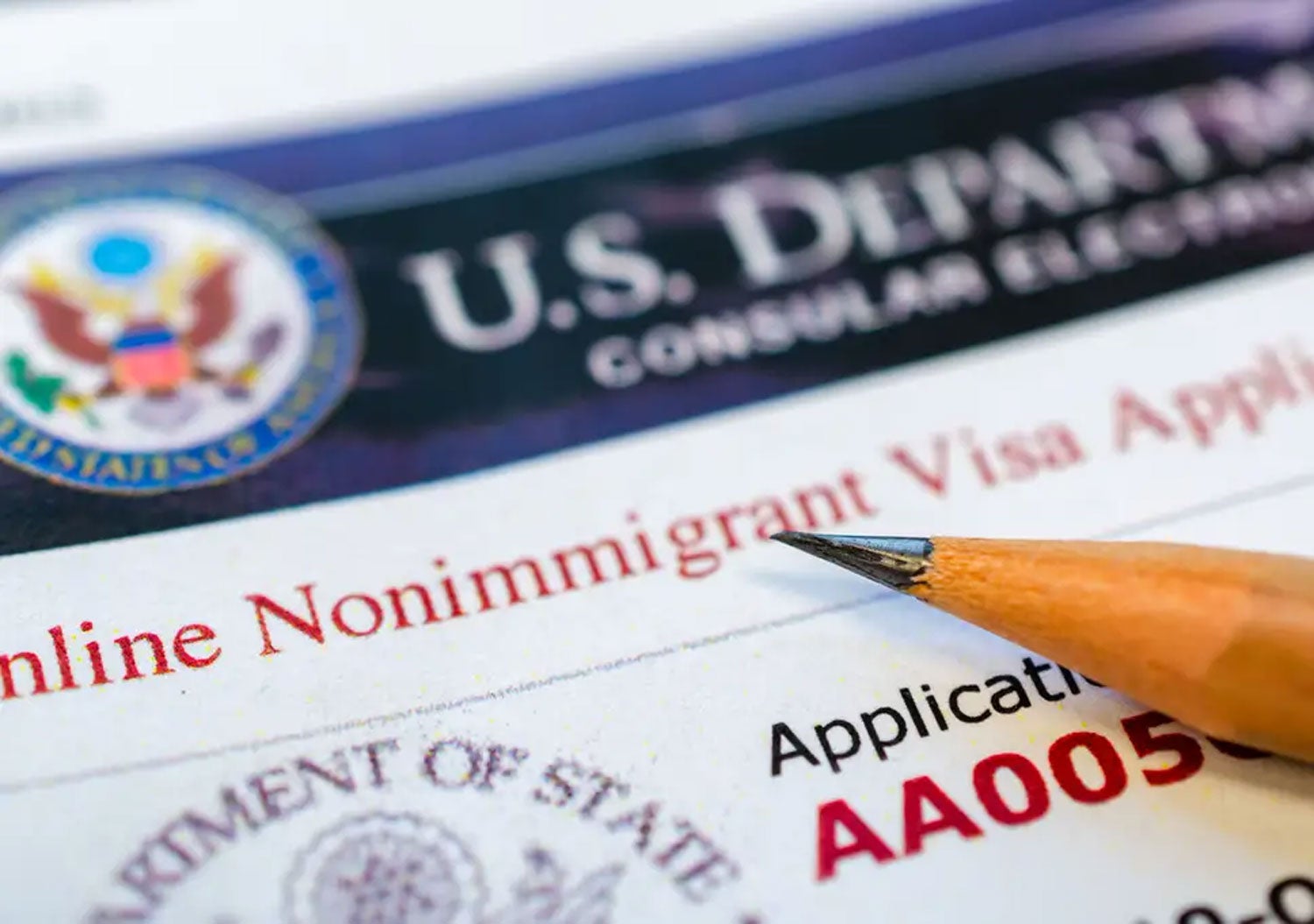
The United States Embassy in Nigeria has clarified that Nigerian students and exchange visitors holding valid F1 and J1 visas are not impacted by the recent visa restrictions introduced by Washington.
The clarification follows Presidential Proclamation 10998, issued on December 16, 2025, and effective from January 1, 2026, which places entry and visa limitations on citizens of 15 countries, including Nigeria.
According to the US government, the measure was introduced over concerns related to screening and vetting processes, information sharing, visa overstay rates, and broader national security and public safety considerations.
Other African nations listed in the proclamation include Angola, Antigua and Barbuda, Benin, Côte d’Ivoire, Dominica, Gabon, and The Gambia.
In Nigeria’s case, US authorities referenced the activities of extremist groups such as Boko Haram and the Islamic State in certain regions, noting that they create “substantial screening and vetting difficulties.”
The proclamation also pointed to visa overstay statistics, citing a 5.56 percent overstay rate for B-1/B-2 visas and an 11.90 percent rate for F, M, and J visa categories.
The restrictions apply to both immigrant and non-immigrant visa classes, including B-1, B-2, B-1/B-2, F, M, and J visas, which are commonly used by Nigerian travellers.
However, in a statement released Monday, the US Embassy emphasised that the directive does not apply to Nigerian students and exchange participants who already possess valid F1 and J1 visas.
“Students and exchange participants with visas can continue to contribute to learning, research, and innovation at U.S. colleges and institutions,” the statement reads.
The US Department of Homeland Security explains that F-1 and J-1 visas are the primary non-immigrant visa categories for international students and exchange visitors. While both are administered through the Student and Exchange Visitor Information System (SEVIS), they serve distinct purposes.
The F1 visa is intended for individuals pursuing full-time academic programmes, whereas the J1 visa is designed for participants in approved exchange programmes sponsored by the US Department of State to foster educational and cultural exchange.

