


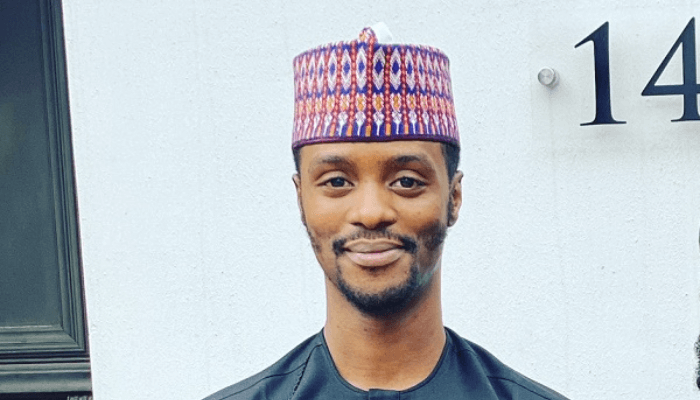
Bashir El-Rufai has suggested that Northern Nigeria should refrain from presenting a presidential candidate in the 2027 general election, arguing that the South should be allowed to complete the remaining four years of the current political cycle.
In a post shared on X (formerly Twitter), Bashir, son of former Kaduna State governor Nasir El-Rufai, outlined his personal views on Nigeria’s political trajectory, advocating for the continuation of Southern leadership in the next electoral cycle.
“Let the South complete their remaining four years,” he wrote, indicating that Northern political stakeholders should defer presidential ambitions in the interest of political balance and stability.
His remarks come amid renewed debates over power rotation and zoning arrangements in Nigeria, particularly as political actors begin early positioning ahead of the 2027 elections.
READ RELATED STORY
Bashir El-Rufai apologises to Shettima over ‘spineless’ comment
El-Rufai son backs Tinubu’s second term, defies father’s exit from APC
Bashir also hinted at the possibility of a strategic political alliance involving key opposition figures such as Peter Obi and Rabiu Musa Kwankwaso. According to him, a structured partnership with clearly defined roles could offer a viable pathway to addressing Nigeria’s pressing socio-economic and governance challenges.
While he did not provide specific details of such an arrangement, his comments have added to ongoing speculation about potential coalitions among opposition leaders seeking to reshape the political landscape.
Bashir further noted that the North would still have opportunities to contest for the presidency in subsequent elections, pointing specifically to 2031 as a viable window for Northern aspirants.
“Opportunities for the North remain open,” he suggested, emphasising that deferring to the South in 2027 would not permanently sideline Northern political interests.
His position contributes to the broader national conversation on equity, fairness, and the informal zoning principle that has often guided leadership transitions between Nigeria’s regions.
As political alignments continue to evolve, such viewpoints are likely to influence discussions within party structures and among key stakeholders in the lead-up to the next general election.

