


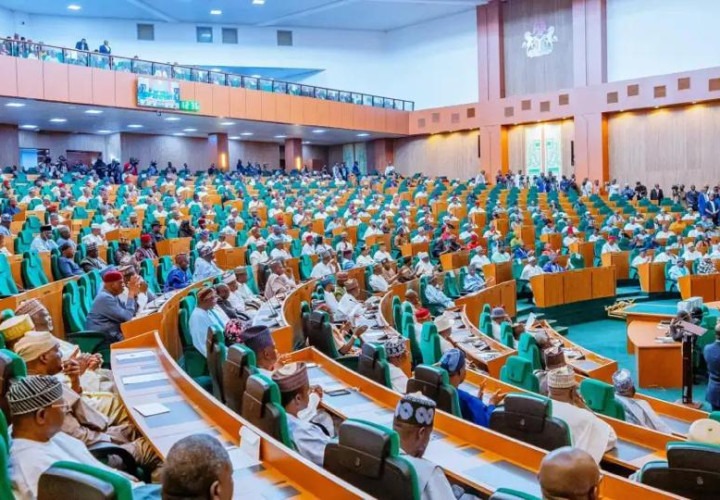
The House of Representatives primaries of the ruling All Progressives Congress (APC) ahead of the 2027 general elections have triggered one of the party’s most serious internal political crises in recent years, following the loss of return tickets by at least 26 serving lawmakers across the country.
The primaries, conducted in several states over the weekend, were marred by allegations of manipulation, imposition of candidates, irregularities, consensus arrangements and exclusion of party members from the electoral process.
From Rivers, Edo, Lagos and Ogun to Kwara, Ekiti, Benue, Plateau, Imo and Cross River, the exercise exposed widening cracks within the APC as governors, political blocs and influential stakeholders battled for control of party structures and candidacies.
Several lawmakers and aspirants have already threatened legal action, insisting the primaries failed to meet democratic standards and violated the party’s constitution as well as the Electoral Act.
READ RELATED STORY
APC disqualifies 47 Senatorial aspirants nationwide ahead of 2027 primaries
Kwara APC aspirants are all winners, says Gov. AbdulRazaq ahead of primaries
The APC National Publicity Secretary, Felix Morka, confirmed that 14 aspirants were disqualified during the screening process, although the party did not publicly disclose detailed reasons for the action.
According to him, those affected failed to scale the screening exercise conducted in line with the party’s procedures and guidelines.
Among the disqualified aspirants were serving lawmakers Iduma Igariwey, Awaji-Inombek Abiante, Anderson Allison and Boma Goodhead, alongside several other aspirants from different states.
In Rivers State, the crisis deepened existing divisions within the APC between camps loyal to Governor Siminalayi Fubara and supporters of the Minister of the Federal Capital Territory, Nyesom Wike.
The disqualification of former Secretary to the State Government, Tammy Danagogo, and former presidential aspirant Tein Jack-Rich further heightened tensions. Party insiders alleged that the screening process was used to settle political scores ahead of the 2027 elections.
Meanwhile, figures considered close to Wike, including Felix Obuah and Senator Allwell Onyesoh, secured clearance to contest.
One of the biggest political upsets occurred in Edo State, where House Leader Prof. Julius Ihonvbere lost his ticket for Owan Federal Constituency to former Commissioner for Mining, Andrew Ijegbai.
Ihonvbere rejected the outcome and vowed to challenge the result through the party’s appeal process.
“I did not lose the election. They did not even come to the field. They wrote some meaningless results,” he declared.
Another Edo lawmaker, Esosa Iyawe, also rejected the outcome of his constituency primary, alleging violence, irregularities and abuse of democratic procedures.
In Kwara State, tension erupted after serving lawmaker Tijani Kayode reportedly scored zero votes in the primary election. He questioned the legitimacy of the exercise and hinted at possible litigation.
Similarly, in Ogun State, four serving lawmakers lost their return tickets amid accusations that Governor Dapo Abiodun influenced the process through consensus arrangements favouring preferred candidates.
Deputy Chief Whip Isiaka Ibrahim accused the governor of orchestrating an “affirmation process” rather than conducting a genuine primary election.
“There was no primary election in my federal constituency,” he alleged.
In Imo State, four lawmakers, including Miriam Onuoha and Harrison Nwadike, lost their tickets despite assurances from Governor Hope Uzodimma that the primaries would be transparent and credible under the Option A4 voting system.
Lagos also witnessed intense political manoeuvring as Speaker of the Lagos State House of Assembly, Mudashiru Obasa, emerged as the APC candidate for Agege Federal Constituency after displacing incumbent lawmaker Hameed Adewale.
In Ekiti State, violence and allegations of fabricated results overshadowed the exercise. Several lawmakers lost their bids, while the contest involving House spokesperson Akin Rotimi was declared inconclusive following reported irregularities.
The situation turned deadly in Plateau State after a resident identified as Sani Abdullahi was killed during violence linked to delays in the conduct of the primary election in Mangu Local Government Area.
Eyewitnesses alleged that security personnel opened fire after protesters clashed with officials over the delayed exercise.
In Benue State, the APC primaries exposed a fierce political struggle between Governor Hyacinth Alia and allies of Secretary to the Government of the Federation, George Akume.
Most victorious candidates were reportedly aligned with Governor Alia, while several figures linked to Akume suffered defeats.
Across other states including Kano, Kebbi, Katsina, Kogi, Gombe and Cross River, consensus arrangements and allegations of manipulated outcomes also generated protests from aggrieved aspirants and party stakeholders.
Political analysts say the widespread disputes arising from the APC primaries have exposed serious internal divisions within the ruling party and could affect party cohesion ahead of the 2027 general elections.
Observers also warn that the growing number of legal threats and allegations of imposition may further weaken internal democracy within the APC if unresolved.
Despite the controversies, some party officials defended the conduct of the primaries, insisting that the process complied with the APC constitution and electoral guidelines.
However, with protests, petitions and appeals already emerging from multiple states, the fallout from the primaries is expected to dominate political discussions within the ruling party in the coming weeks.

