


By Muhammed Lawal
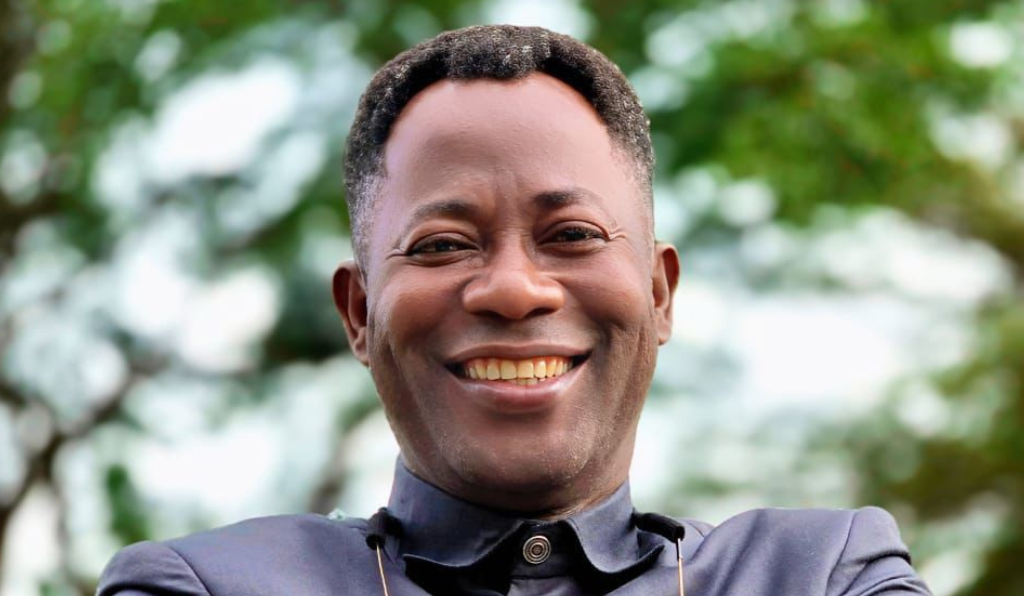
A university don, Prof. Adewunmi Falode of Lagos State University, has said Nigeria has been largely spared the biting fuel scarcity currently ravaging Europe and Asia, attributing the development to local refining and fertiliser production driven by Africa’s richest man, Aliko Dangote.
Read More Related Breaking Story from Our Nigeria News
Falode, in a telephone interview the New Daily Prime, explained that while many countries are experiencing severe petrol shortages, hoarding and civil unrest due to disruptions in Middle East oil supply, Nigeria has only faced rising prices without scarcity.
“That crisis is hitting Europe and Asia very badly. In countries like Ireland, people have taken to the streets over fuel shortages, while in Australia, citizens are hoarding petrol the way Nigerians used to. Many of these countries depend heavily on crude from the Middle East.”
He explained that nations including Japan, South Korea and several European economies have been significantly affected because their refining capacity depends on crude supplies from the crisis-hit region.
Read Related News Update
AI could replace traditional engineering designs, warns Aliko Dangote
Dangote refinery raises petrol to N1,275, diesel to N1,950 amid global oil pressure
Dangote refinery raises petrol to N1,275, diesel to N1,950 amid global oil pressure
According to him, China appears relatively insulated due to years of strategic crude stockpiling, with reserves estimated to last several months, while most other economies remain vulnerable.

“But Nigeria is a different case. Dangote has really shielded Nigeria from the impact. We are feeling the price increase, yes, but not scarcity. That is the key difference.”
Falode also acknowledged the role of government policies in creating the conditions that enabled such large-scale private investment to thrive. He noted that recent economic reforms helped provide a more supportive environment for domestic refining.
“The president’s economic policies have played a role in this. Measures such as the cash-for-crude policy, restrictions on crude importation, and the deregulation of both the upstream and downstream sectors created an enabling political and economic environment for investments like the Dangote Refinery to succeed,” he said.
He said before the emergence of the Dangote Refinery, Nigeria would have faced a total supply breakdown under the current global conditions.
“If we were still depending on imports, Nigeria would have gone dry by now. Many of the countries we import from cannot refine because they are not getting crude from the Middle East. Some have even stopped exports entirely to protect their domestic markets.
“The situation abroad has forced governments to ration fuel, shut down economic activities and, in extreme cases, restrict movement.
“In parts of Asia, there is rationing. Some countries are even limiting when people can go to work or school because of fuel shortages. Industries are shutting down. That is how bad it is,” he said.
On Nigeria’s situation, the don said local refining has ensured steady supply despite global disruptions.
“Fuel is available across Nigeria. That is why you no longer see widespread black market sales like before. In the past, any supply shock would lead to hoarding and artificial scarcity, with prices skyrocketing. That has not happened this time.”
Addressing concerns over high fuel prices, Falode argued that Nigerians must weigh the alternatives.
“It is either you have availability at the current price or you face scarcity and even higher black market prices. Dangote is a businessman; he has to recover his costs, especially since he sometimes sources crude in dollars,” he explained.
He further blamed structural issues in Nigeria’s oil sector, including forward sales of crude oil, for limiting domestic supply to local refiners.
“A large portion of Nigeria’s crude has already been committed to future deals tied to loans. That leaves limited supply for domestic use, forcing refiners to import crude at higher international prices,” he said.
Beyond fuel, Falode warned that the global fertiliser market is also under severe strain due to the same Middle East disruptions.
“Over 70% of the world is affected by the fertiliser crisis because production is concentrated in the Middle East. The war has disrupted both production and supply of key inputs like ammonia, urea and nitrogen,” he said.
He, however, noted that Nigeria is again relatively protected due to the operations of the Dangote Fertilizer Plant, described as one of the largest fertiliser production facilities globally.
“Nigeria is exempted to a large extent because of Dangote’s fertiliser company. The plant not only meets local demand but also exports to other countries,” he added.
Falode maintained that without these domestic capacities, Nigeria’s economy would have been severely crippled.
“If Dangote was not there, Nigeria would have been grounded. There would be no fuel, industries would shut down, and economic activities would collapse,” he said.
He urged Nigerians to better understand the global dynamics behind current price increases, warning against blaming local players without considering external factors.
“The reality is that nothing is coming out of the Middle East at the moment. Many countries are conserving what they have. Nigeria is lucky to have local capacity cushioning the effect,” he said.
For More Details, Visit New Daily Prime

