


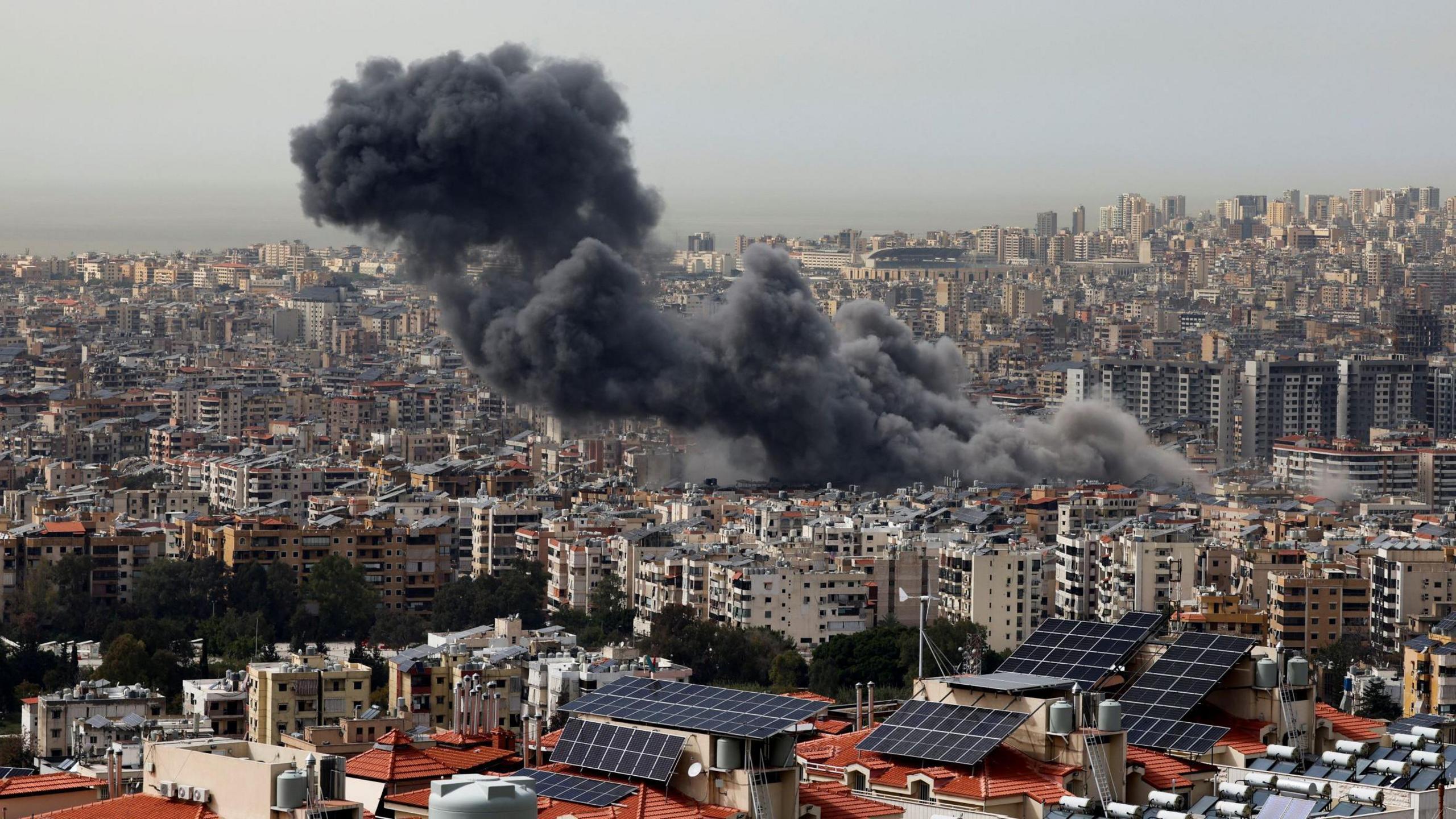
Tensions in the Middle East have sharply intensified after Iran warned it would turn the region into a “swamp” for American forces if the United States escalates its military campaign.
The development reflects broader trends across the world
The warning came as Donald Trump threatened to increase attacks on Iran unless the strategic Strait of Hormuz is reopened. The waterway, one of the most important النفط transit routes in the world, has been effectively blockaded for more than four weeks, triggering a deepening global energy crisis.
Iranian officials responded with a series of stark messages directed at both Washington and Israel. A government spokesman said any expansion of the conflict would turn the entire region into “hell” for US troops. “Do not forget that if aggression expands, the entire region will turn into a hell for you,” he said. “The illusion of defeating the Islamic Republic of Iran has turned into a swamp in which you will sink.”
Read related news:
Nigeria ready to support global energy stability amid Middle East tensions;
UK farmers warn Middle East conflict will disrupt world food supply
FG monitoring Middle East tensions to protect Nigeria’s economy – Finance ministry
The exchange marks a dangerous escalation in rhetoric as both sides continue military operations. The US and Israel have intensified strikes on Iranian infrastructure, targeting key facilities linked to energy and defence. Israeli fighter jets have reportedly hit petrochemical sites, forcing evacuations at a nuclear power plant, while Tehran has endured some of its heaviest bombardment since the conflict began.
At the same time, Iran has shown it retains some defensive capability. The downing of a F-15 Eagle in southern Iran has raised concerns in Washington. While the pilot was rescued, a weapon systems officer remains missing and is feared to have been captured by Iranian forces.
The incident has added a new layer of urgency to the conflict. US search-and-rescue operations have been ongoing, reportedly under fire from Iranian positions. American officials are increasingly concerned about the implications if the missing service member falls into Iranian hands.
A potential capture could have serious political consequences. It would echo memories of the Iran hostage crisis, when American diplomats were held for 444 days, leaving a lasting impact on US foreign policy. Analysts say a similar scenario could place intense pressure on the White House to either escalate military action or pursue negotiations behind the scenes.
Despite public statements downplaying the incident, it is understood that senior officials have been closely monitoring developments. The outcome of the search could influence the next phase of the conflict.
Meanwhile, the blockade of the Strait of Hormuz continues to disrupt global markets. During normal conditions, more than 20 million barrels of oil and liquefied natural gas pass through the narrow channel each day. With shipping now restricted, tankers have been forced to hold cargo at sea, pushing storage capacity to its limits.
The crisis has exposed the vulnerability of global energy supply chains. Gulf states are reportedly considering major investments in alternative pipeline networks to reduce reliance on the strait. Saudi Arabia is already benefiting from an existing pipeline built in the 1980s, which has helped ease some of the pressure.
Relations between the US and its allies have also come under strain. President Trump has criticised European nations for their reluctance to join military operations, urging them to secure their own energy supplies. His shifting stance—suggesting at one point that Washington could step back from the conflict—has added uncertainty to an already volatile situation.
For now, the Middle East remains on a knife edge. With military operations ongoing, threats escalating, and a missing US service member at the centre of a growing crisis, the risk of a wider regional conflict appears higher than at any point in recent years.

