


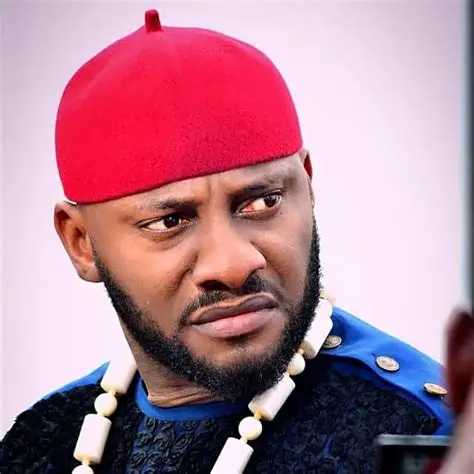
Nollywood actor Yul Edochie has sparked fresh debate after sharing his views on how society treats men who experience emotional struggles and mental health challenges.
Speaking during an appearance on The Honest Bunch Podcast produced by Glitch Africa Studios, the actor argued that men are rarely shown sympathy during difficult moments and are often expected to endure hardship without emotional expression.
Read Also: Women who run from DNA tests hiding something – Yul Edochie
According to him, societal expectations place men under constant pressure to remain strong regardless of the emotional or psychological toll they may be facing.
He stated that while women and children are more likely to receive compassion during emotional distress, men are often judged or dismissed when they show vulnerability.
“Pity doesn’t work for men. It works for women and children only. Nobody has time to pity a man,” he said.
Yul Edochie added that men are expected to “stand up and keep moving” no matter the situation, suggesting that emotional resilience is a requirement placed on men by society.
He also expressed concern about men showing visible emotional pain, stating that such behaviour is often misunderstood or frowned upon.
His comments came while referencing a moment on the podcast where a guest reportedly became emotional during a discussion, which he described as unusual for men in similar situations.
Yul Edochie went further to describe men who die by suicide as “weak”, a statement that has since generated strong reactions and controversy online.
The actor said: “That’s why it pained me when I saw our guy sitting in this chair and crying. Why would you even be crying? Anything that happens to a man, you need to stand up and keep moving. Men who commit suicide are weak.”
Yul Edochie remarks have since triggered widespread debate on social media, with many users disagreeing with his characterisation of emotional expression and mental health struggles among men.
Mental health advocates and commentators argue that emotional vulnerability is not a sign of weakness but a natural human response to stress, trauma, and depression.
They also stress that suicide is often linked to untreated mental health conditions, including depression and anxiety, rather than personal weakness or lack of character.
On the other hand, some social media users agreed with Edochie’s broader point about societal expectations placed on men, noting that men are often raised to suppress emotions and take on responsibilities without complaint.
The discussion has once again highlighted ongoing conversations in Nigeria about masculinity, emotional health, and the stigma surrounding men expressing vulnerability.
Many observers say that cultural expectations of masculinity continue to discourage men from seeking help or speaking openly about emotional struggles, leading to long-term psychological consequences in some cases.
Yul Edochie, who is known for his outspoken views on social and relationship issues, has frequently sparked public debate with his comments on gender roles, marriage, and family life.
His latest remarks add to the growing discourse around redefining masculinity and encouraging healthier conversations around men’s mental health and emotional well-being in society.
For more details, visit New Daily Prime at www.newdailyprime.news.
