


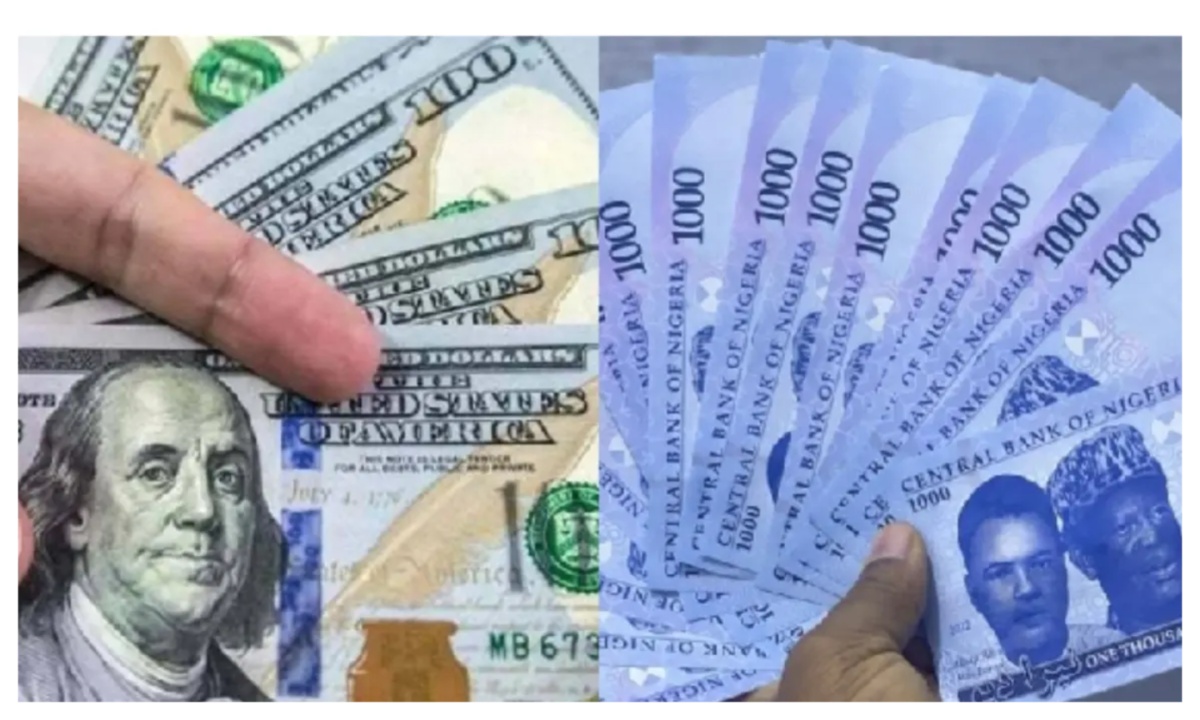
The Nigerian Naira recorded mixed movements across the foreign exchange market on Wednesday, April 22, 2026, as traders monitored activity in both the official and informal segments.
At the Nigerian Foreign Exchange Market (NFEM), the currency opened with a slight adjustment against the US Dollar, trading around N1,348.77/$1 in early deals. Market data showed the Naira briefly strengthened to about N1,346.30 before settling within the mid-N1,340 range, reflecting mild intra-day volatility.
The official window continues to serve as the main platform for authorised transactions, supported by liquidity interventions from the Central Bank of Nigeria aimed at stabilising the market.
In contrast, the parallel market maintained a significantly higher rate, highlighting sustained demand pressures. Across major trading centres such as Lagos, Abuja, and Kano, the Dollar was exchanged between N1,450 and N1,470.
The disparity between both markets continues to be driven by demand for foreign exchange used in informal transactions, including travel allowances and small-scale imports that often fall outside official channels.
Analysts attribute the Naira’s current performance to a combination of global oil price trends and Nigeria’s external reserve position. While the official rate suggests gradual stability, the parallel market remains vulnerable to speculative demand.
Market watchers say attention will now shift to closing data from the FMDQ Securities Exchange, which is expected to provide clearer direction for the currency’s trajectory in the coming days.
The naira yesterday sustained its upward trend in the foreign exchange market as early trading reflected continued efforts to close the gap between official and parallel market rates.
At the NFEM, the currency traded at an average of N1,345.47 per dollar in early sessions, marking a slight appreciation from the previous day’s close.
It briefly strengthened to N1,345.87 before stabilising, supported by steady liquidity and consistent regulatory oversight.
Market observers attribute the relative stability in the official window to the sustained interventions and transparency measures by the Central Bank of Nigeria, which continue to guide price discovery and ensure adequate foreign exchange supply for eligible transactions.

