



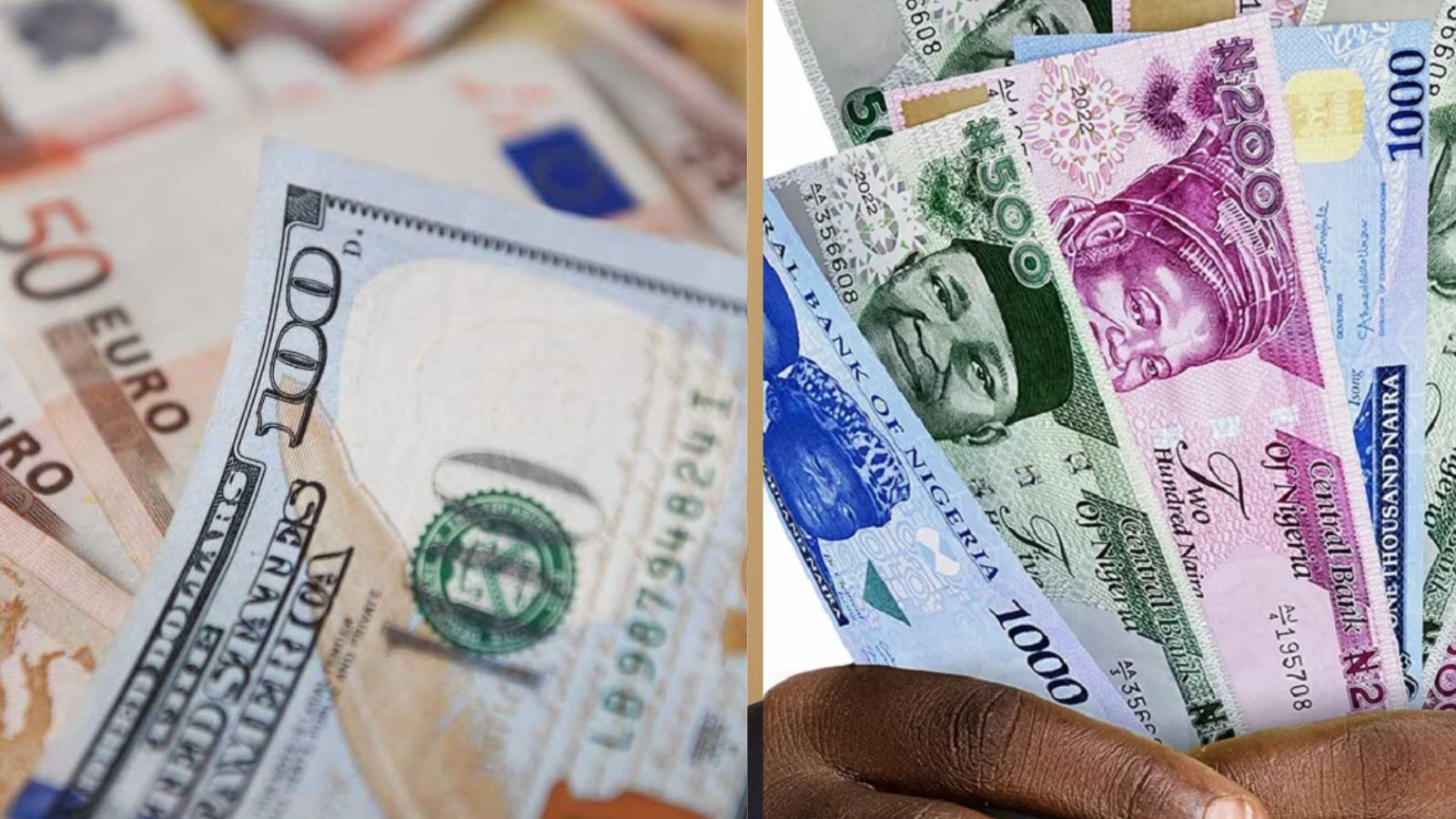
The Nigerian naira opened trading on Tuesday, April 28, 2026, on a relatively stable note against the US dollar, with modest movements recorded across both official and parallel market segments.
At the official window, also known as the Nigerian Foreign Exchange Market (NFEM), the currency traded around ₦1,360.19 to the dollar in early deals. Data from FMDQ Securities Exchange showed slight intraday fluctuations, with the naira initially quoted at about ₦1,359.23 before adjusting marginally as trading progressed.
Market activity at the official window continues to reflect the dynamics of the “willing buyer, willing seller” framework overseen by the Central Bank of Nigeria. The apex bank is maintaining close supervision to support transparency and reduce sharp volatility in the foreign exchange market.
In contrast, the parallel market sustained a wider spread, with the dollar exchanging between ₦1,480 and ₦1,495 in key commercial hubs such as Lagos, Kano, and Port Harcourt. The premium in this segment highlights persistent retail demand for foreign currency, particularly among small-scale importers and individuals seeking forex for travel and personal transactions.
Analysts note that the gap between official and parallel market rates remains an important indicator of unmet demand within the formal system.
Several macroeconomic factors are shaping the naira’s performance. Crude oil prices continue to play a critical role in bolstering Nigeria’s foreign exchange earnings, while ongoing efforts to clear corporate forex backlogs are influencing liquidity levels. Seasonal demand for international payments is also contributing to market pressure.
Traders expect the naira to remain within its current band throughout the day unless there is a significant policy intervention or a shift in global sentiment.
Market watchers are, however, keeping a close eye on closing rates, which are expected to provide clearer direction on the currency’s midweek performance.
Towards the end of last week, the naira weakened marginally against the US Dollar in early trading on Thursday, as pressure from mid-week demand continued to shape movements across both official and parallel foreign exchange markets.
At the NFEM, the local currency opened softer, with data from the FMDQ Securities Exchange indicating an average rate of 1,351.59 Naira to the dollar. This represents a slight drop compared to earlier in the week, when the currency traded closer to the 1,347 mark.
Activity at the official window remains closely watched by investors, particularly in light of the Central Bank of Nigeria’s managed float approach, which is designed to reduce volatility while ensuring priority sectors maintain access to foreign exchange.
In the parallel market, the Naira continues to trade at a much weaker level, highlighting persistent supply gaps. Reports from Bureau De Change operators in key cities such as Lagos, Abuja, and Kano show the dollar exchanging between 1,465 and 1,480 Naira in early deals.
This places the gap between the official and unofficial markets at about 113 Naira, a disparity analysts link to strong unmet demand from small businesses and individuals seeking foreign currency for travel and other personal needs, often constrained by stricter official processes.
Market analysts point to continued demand for dollars to settle import bills and external debt obligations as a key driver of the Naira’s pressure. Movements in global oil prices—Nigeria’s primary foreign exchange earner—also remain a critical factor influencing reserves and exchange rate direction.

