


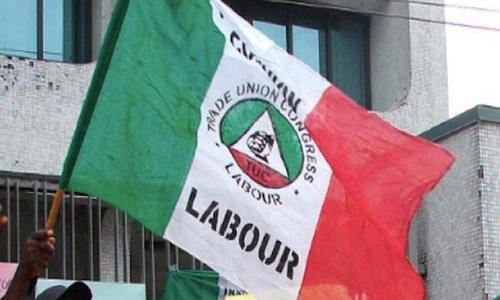
The Nigerian Labour Congress (NLC) has called for an upward review of the national minimum wage to N154,000, citing worsening economic conditions and declining purchasing power among Nigerian workers.
The demand was formally conveyed through a letter issued by the Joint National Public Service Negotiating Council (JNPSNC), a branch of the NLC, and signed by Benjamin Anthony and Olowoyo Gbenga. The letter emphasised the “urgent necessity for an upward review of salaries and allowances” across the public service sector.
According to the council, the current minimum wage no longer reflects economic realities, as persistent inflation, escalating food prices, and rising transport costs continue to erode the standard of living of workers nationwide.
The proposed N154,000 minimum wage, the letter noted, is intended to restore a decent standard of living and alleviate financial pressures faced by Nigerian households. The council urged the Federal Government to commence immediate negotiations to implement the wage adjustment.
The NLC’s appeal comes amid growing public concern over Nigeria’s cost-of-living crisis, with many families struggling to meet basic needs, including food, education, and healthcare. Analysts warn that failure to revise the minimum wage could exacerbate poverty levels and intensify social unrest.
“This review is not only necessary but overdue,” the letter stated, highlighting that the existing wage structure has failed to keep pace with the economic realities confronting workers.
The NLC’s call adds pressure on the government as the nation grapples with inflation rates exceeding 20%, and widespread economic hardship affecting millions of citizens. Observers say swift engagement with labour representatives will be critical to maintaining industrial peace and protecting workers’ welfare.
As discussions unfold, workers and unions are expected to closely monitor government response, with potential industrial actions looming if negotiations fail to commence promptly. The outcome could have significant implications for public sector employees and the broader Nigerian economy.
