


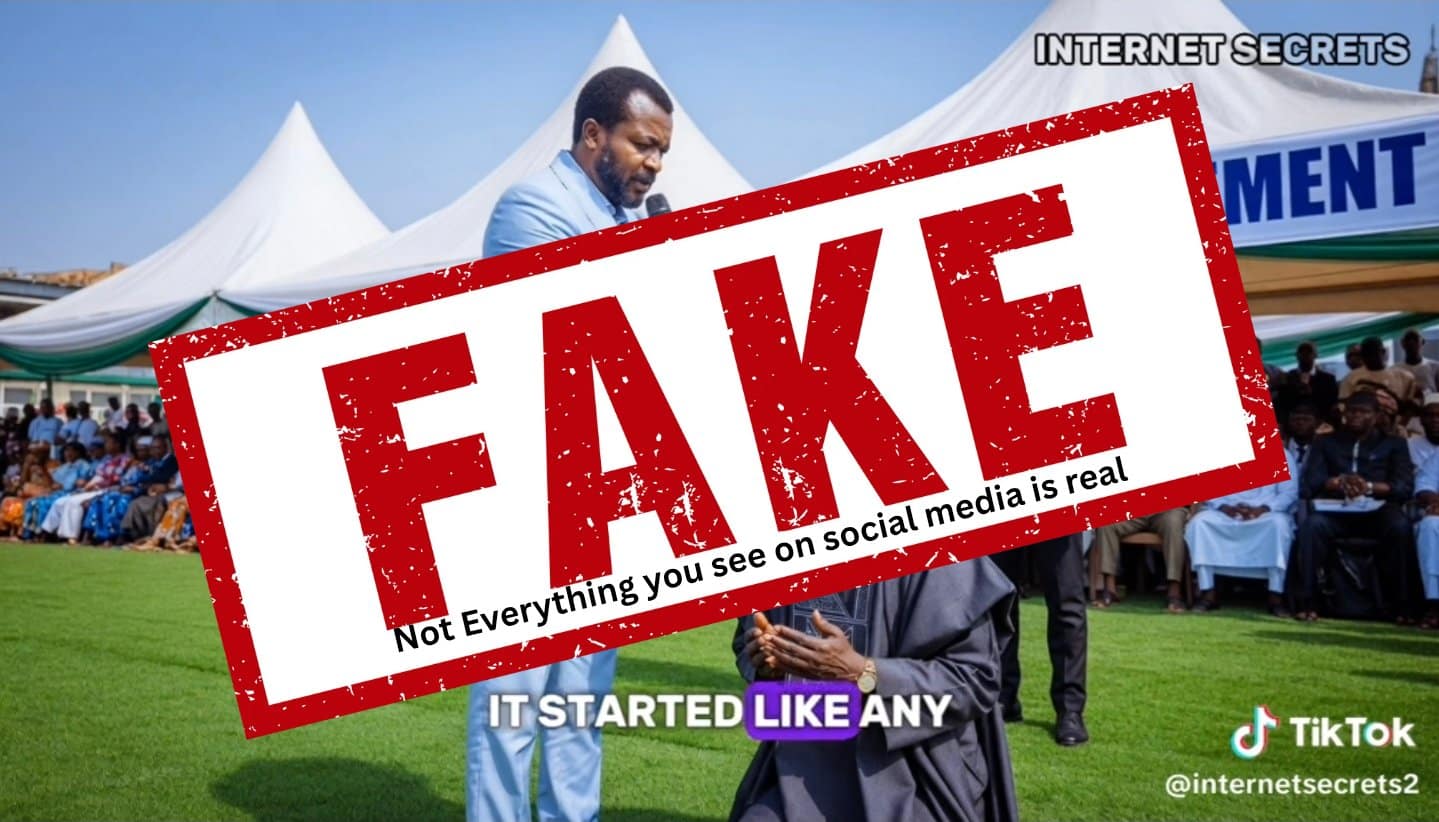
The Presidency has raised alarm over what it described as a coordinated circulation of manipulated religious content aimed at inflaming tensions against President Bola Tinubu, warning that individuals behind the spread of deepfake videos and false narratives could face prosecution under Nigeria’s cybercrime and public safety laws.
In a public service announcement issued on Thursday by the Office of Digital Engagement and Strategy, the Presidency said recent online materials targeting Tinubu followed a regular pattern of digitally manipulated propaganda designed to exploit religious sensitivities as political activities gradually gather momentum ahead of the next election cycle.
The statement claimed that one of the videos circulating online was edited with “fake audio and false attributions” to damage the President’s image through the identity of a social media influencer, while another allegedly used a religious leader in a “deepfake” production intended to provoke Muslims against the President.
READ RELATED NEWS UPDATES
Kwankwasiyya hails NDC south presidency decision
Tinubu preaches peace, rejects violence during Eid-el-Kabir prayers in Lagos
‘Presidency is not computer game’—Jonathan responds to 2027 calls
The Presidency argued that the development is reflective of a wider campaign of misinformation built around religion and identity politics, particularly on social media platforms and WhatsApp groups where emotionally charged content spreads rapidly with little verification.
It stated that “desperate actors” would continue to “manufacture outrage, distort faith, manipulate context, spread falsehoods, and push dangerous emotional bait” in an attempt to polarise Nigerians for political advantage.
Even as the statement did not identify the specific videos, platforms involved, or individuals suspected to be behind the content, it signalled a tougher posture against digital disinformation capable of threatening public peace.
The Presidency affirmed that relevant authorities would investigate digital actors linked to the circulation of false information, especially content considered capable of inciting unrest or deepening religious division.
The statement read in part, “Relevant cases and digital actors involved in such activities will be identified and reported to the appropriate authorities for investigation and necessary action.”
Beyond the warning, the Presidency appeared keen to counter suggestions that Tinubu harboured religious bias. It noted that the President had consistently projected himself as a leader committed to religious coexistence.
It maintained that Tinubu’s personal and political history reflected religious tolerance, noting that he is a Muslim married to a Christian and heads a “multi religious nation built on constitutional freedom of worship, mutual respect, and peaceful coexistence.”
The statement also referenced Tinubu’s 2026 Lent and Ramadan message in which he reportedly emphasised shared values between Christianity and Islam, including compassion, justice, sacrifice, peace, and love for humanity.
Even so, the intervention points to growing concerns within government circles over the speed and reach of synthetic media, especially as artificial intelligence tools make it easier to manipulate voices, videos, and identities in politically sensitive contexts.
Nigeria has witnessed repeated cases where fabricated clips, misleading subtitles, and recycled footage triggered public outrage before later being disputed or debunked.
While urging Nigerians to avoid sharing inflammatory content without verification, the Presidency framed the issue as one extending beyond partisan politics.
“This is coordinated manipulation at scale,” the statement added, while asking citizens to remain vigilant against attempts to destabilise national cohesion through digitally amplified disinformation.
For More Details, Visit New Daily Prime News
