


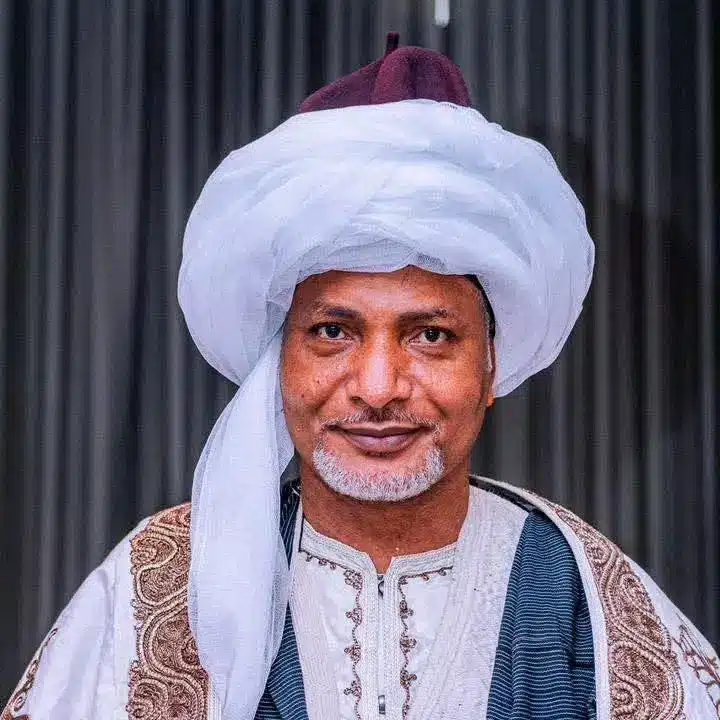
Senator Saliu Mustapha has called on Nigerians to resist ethnic, political, and religious divisions, warning that growing distrust and polarisation could further weaken national unity at a time the country is battling security and economic pressures.
The lawmaker made the appeal in his Eid-el-Kabir message released on Wednesday morning, May 27, where he urged citizens to embrace peace, sacrifice, and mutual coexistence as Muslims across the country marked the Islamic festival.
Beyond the routine festive greetings that often accompany Sallah celebrations, Mustapha’s message reflected lingering concerns over insecurity, social tension, and the widening cracks in public confidence across different parts of the country.
The senator stated that Nigerians must “rise above ethnic, political and religious divisions” and reject tendencies capable of threatening the country’s collective strength.
His intervention is significant, especially at a time of persistent security challenges in parts of the North-West, North-Central, and North-East, where cases of banditry, kidnapping, and communal violence have continued despite repeated military operations and government assurances.
Mustapha also linked national stability to public cooperation with security agencies where he. described security as a collective responsibility rather than the sole duty of the government.
He urged Nigerians to continue supporting security agencies and the administration of President Bola Ahmed Tinubu in ongoing efforts aimed at restoring peace and stability across the country.
While not referencing specific incidents, his comments arrive at a period when public debate around the nation’s security architecture has intensified, especially over concerns about intelligence failures, attacks on rural communities, and pressure on overstretched security personnel.
In recent months, political leaders and stakeholders across party lines have repeatedly called for stronger collaboration between citizens and security institutions, particularly in communities vulnerable to violent attacks.j
Mustapha, however, anchored his message around the broader moral lessons associated with Eid-el-Kabir, a festival rooted in sacrifice and obedience in Islamic tradition.
He stated that the celebration should remind Nigerians of virtues such as compassion, tolerance, generosity, and peaceful coexistence, which he described as necessary ingredients for national development.
His remarks also appeared to underline a recurring argument among political leaders that Nigeria’s social tensions cannot be resolved through force alone without corresponding efforts towards tolerance and civic responsibility.
The senator further extended congratulations to the Governor of Kwara State, AbdulRahman AbdulRazaq, the Emir of Ilorin, Ibrahim Sulu Gambari, the Ilorin Emirate, and residents of the state on the occasion of the Eid celebration.
He prayed for peace, progress, and prosperity for both Kwara State and the country at large.
While Eid messages by public officials are often ceremonial, the tone of Mustapha’s statement reflected a wider anxiety within the political class over the fragile state of national cohesion and the increasing pressure on government institutions to deliver security and economic relief simultaneously.
Against the backdrop of rising public frustration and recurring violence in some regions, the senator’s appeal adds to the growing calls for unity as Nigeria navigates another difficult phase in its political and security landscape.

