


The United Kingdom UK has eased some of the sanctions on Russian oil products because of high fuel prices and fears about global energy supply disruptions arising from the Middle Eastern tensions.
According to the policy change, the UK will now have more leeway when it comes to buying fuel products that have been refined using Russian crude oil in other countries. This policy change was necessitated by fears of possible fuel shortages in the event of disruption of supply due to the ongoing tension between the US and Israel on one side and Iran on the other side.
Also, the UK government has also relaxed some of the sanctions related to transporting Russian liquefied natural gas (LNG). It said that the decision to make these amendments is necessary to safeguard energy supply chains.
It should be noted that sanctions against Russia are still there and have even become stricter over time. However, the current changes only apply temporarily as a measure to stabilize global fuel prices. The government said that this new policy will allow the importation of jet fuel from countries like India and Turkey, which refine Russian crude oil before selling them globally.
READ RELATED STORY
Top 5 Websites to Get UK Immigration News Nigeria
UK Cabinet reshuffle: Murray gets health, Rigby treasury role
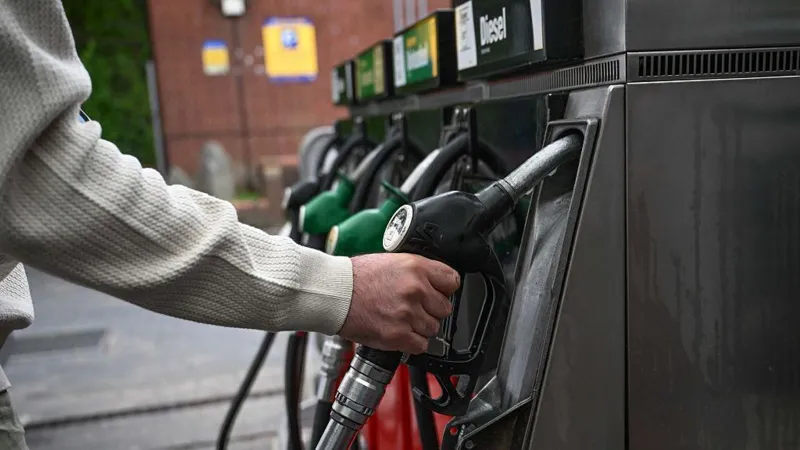
The prices of fuel in Europe have increased since the situation deteriorated in the Middle East region. The price of jet fuel more than doubled during the conflict, though there is a slight reduction from the peak levels and they are still much higher than before the conflict started. In the UK, the price of petrol has been going up gradually. According to motoring organization RAC, the average price of unleaded petrol reached 152.52 pence per litre on Monday, which was the highest price ever since the conflict erupted.
Airline companies have been affected too, as some canceled their flights and increased fares because of high cost of jet fuel.
The latest move by the UK is a significant step from a nation that always spearheaded sanctions against Russia in an attempt to economically isolate it due to its aggression towards Ukraine. On Sunday, Britain was among the other G7 countries that promised to exert maximum economic pressure on Russia.
Nevertheless, this initiative has been criticized as contradictory. According to Robin Mills, CEO of energy consulting firm Qamar Energy, there was no need for such a policy shift since the risk of severe shortages of jet fuel was probably exaggerated. In his opinion, lifting sanctions would make the message to Russia less strong without affecting prices.
This measure is reminiscent of the one adopted earlier in the United States. However, critics believe that such a step would be beneficial for Russia, considering that attempts to put pressure on it are still being made.
For more details, visit New Dailyprime

