


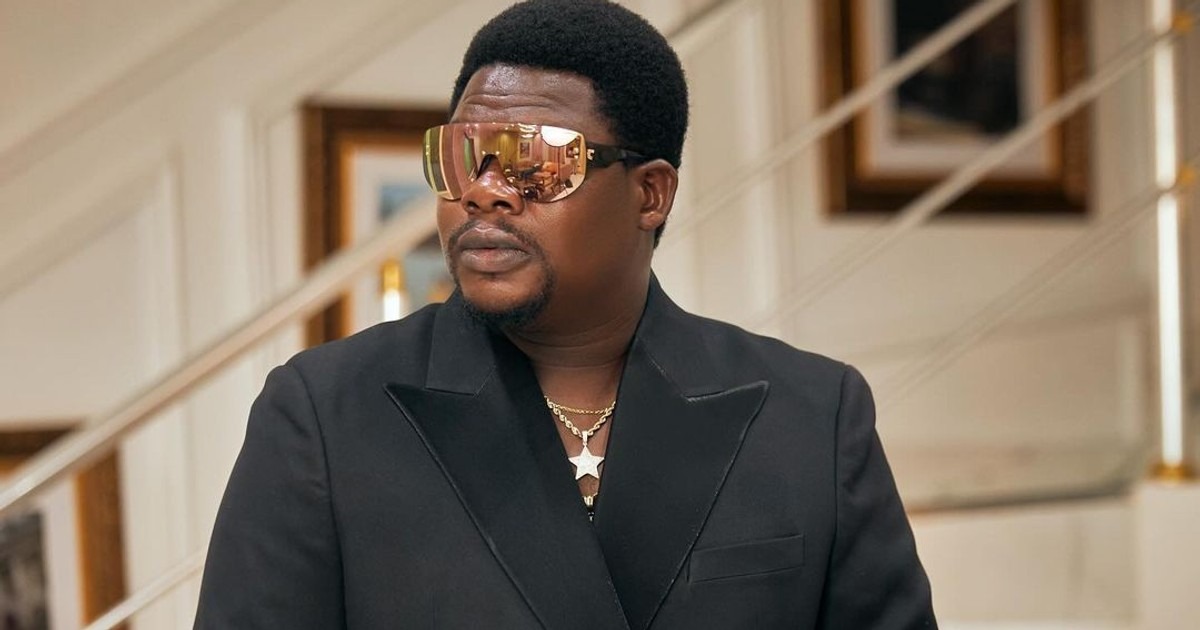
Mr Macaroni has become one of Nigeria’s most influential digital voices by turning comedy into social commentary and public advocacy. Born Adebowale “Debo” Adedayo, he has built a public profile that reaches beyond entertainment. His influence comes from audience trust, online reach, civic courage, brand value and his ability to speak to young Nigerians in a language they understand.
Read more breaking stories from our latest nigeria news
New Daily Prime estimates his weighted influence score at 88.0/100, placing him among Nigeria’s top digital, cultural and civic voices. His score is justified because he combines mass entertainment reach with public credibility, youth appeal, social commentary and sustained visibility in Nigeria’s creator economy.
New Daily Prime Key Influence Metrics for Mr Macaroni
| Indicator | Assessment |
|---|---|
| Current Power & Institutional Control | Mr Macaroni does not hold political office or control public institutions. His influence comes from digital media, entertainment, civic advocacy and public trust. |
| Reach & Visibility | He has strong visibility across social media, YouTube, Nollywood, public events and youth conversations, making him one of Nigeria’s most recognisable digital entertainers. |
| Impact & Tangible Results | His skits, public statements and activism have helped shape conversations on police brutality, accountability, class abuse, governance and social behaviour in Nigeria. |
| Soft Power & Cultural Influence | He uses humour to reflect Nigerian society, expose abuse of power and make serious issues easier for mass audiences to understand. |
| Relevance to 2026 | He remains relevant because Nigeria’s public debate is increasingly shaped online, where creators and influencers help drive conversations on politics, culture and social justice. |
| Generational Influence | He connects strongly with young Nigerians who see him as part of a new media generation built on creativity, courage, consistency and direct audience engagement. |
| National & International Recognition | His recognition has grown through digital success, Nollywood roles, awards, activism and media coverage, making him a major figure in Nigeria’s creator economy. |
Weighted Influence Scorecard for Mr Macaroni
| Indicator | Weight | Score | Points |
|---|---|---|---|
| Current Power & Institutional Control | 15% | 5.3/10 | 8 |
| Reach & Visibility | 15% | 10/10 | 15 |
| Impact & Tangible Results | 15% | 8.7/10 | 13 |
| Soft Power & Cultural Influence | 15% | 9.3/10 | 14 |
| Relevance to 2026 | 15% | 9.3/10 | 14 |
| Generational Influence | 15% | 9.3/10 | 14 |
| National & International Recognition | 10% | 10/10 | 10 |
| Total Weighted Influence Score | 100% | — | 88/100 |
His first source of influence is digital reach. Mr Macaroni is one of Nigeria’s most recognised online comedians, using skits to reflect class pressure, hypocrisy, abuse of influence, greed and daily survival in Nigerian society. His characters, including Daddy Wa, Mummy Wa, Motunde and Professor Hardlife, helped him build a large audience across social platforms.
That visibility is measurable. In December 2025, Mr Macaroni was reported to have received his YouTube Gold Creator Award after reaching one million subscribers, confirming his place among Nigeria’s leading digital creators. YouTube’s official guidance says the Gold Creator Award is given when a creator reaches one million subscribers.
His influence also extends into Nollywood and mainstream screen culture. Beyond skits, he has appeared in films and series, expanding his public reach from social media into broader entertainment spaces. This gives him value not only as a comedian but also as an actor, producer, performer and brand personality.
However, Mr Macaroni’s strongest public identity comes from the link between humour and activism. During the #EndSARS protests, he became one of the visible voices associated with youth demands for police reform and accountability. His civic profile deepened in February 2021 when he was arrested at the Lekki Toll Gate during a protest linked to the #EndSARS movement. The Foundation for Investigative Journalism reported his arrest, while Punch also reported that police arrested him and other protesters at the tollgate.
That moment became part of Nigeria’s post-#EndSARS public memory. It showed why his influence is different from that of many entertainers. He is not only a comedian with followers; he is a public voice whose skits, statements and activism have helped shape youth conversations on police brutality, accountability, class abuse and governance.
His soft power comes from making serious issues easy to understand. Through humour, he exposes social behaviour that many Nigerians recognise: fake generosity, exploitation, entitlement, abuse of power and the pressure to survive in a difficult economy. He does not lecture his audience. He reflects their reality back to them.
His relevance to 2026 remains strong because Nigeria’s public conversation is now heavily shaped online. Creators, comedians and influencers can frame debate, challenge official narratives and mobilise attention faster than many traditional institutions. Mr Macaroni sits at that intersection of entertainment, activism, brand influence and youth culture.
His generational influence is also clear. Many young Nigerians connect with him because his rise reflects the new media economy. He built relevance outside traditional television, using social platforms, consistent storytelling and public trust. His career shows that influence in modern Nigeria can come from creativity, courage and direct connection with the audience.
His influence has limits. He does not control laws, budgets, security agencies or government appointments. His power is cultural, digital and civic, not institutional. Online influence can shape public debate, but it does not always translate into direct policy change. His activism can also attract political criticism from those who disagree with his views.
Still, Mr Macaroni stands out because he has turned humour into public conscience. At 88.0/100, he ranks among Nigeria’s influential personalities because he represents a new model of influence: entertainment with responsibility, visibility with courage, and comedy with a civic message.

