


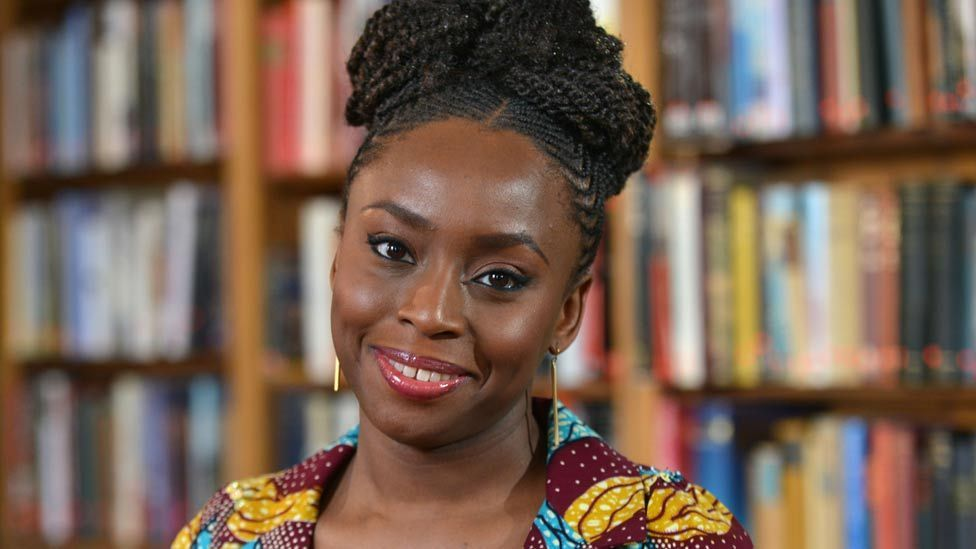
Chimamanda Ngozi Adichie remains one of Nigeria’s most influential cultural figures because her work has carried Nigerian stories into global literature, education, feminism, publishing and public debate. Her influence is not political or institutional. It comes from books, speeches, essays and ideas that continue to shape how people discuss identity, gender, migration, race, history and African storytelling.
New Daily Prime estimates her weighted influence score at 89.0/100, placing her among Nigeria’s top cultural and intellectual figures. At 89/100, Adichie ranks highly because she has turned Nigerian storytelling into global intellectual power, influencing literature, feminism, education, publishing and debates on identity.
New Daily Prime Key Influence Metrics for Chimamanda Adichie
| Indicator | Assessment |
|---|---|
| Current Power & Institutional Control | Chimamanda Ngozi Adichie does not hold political office or control public institutions. Her influence comes from literature, public thought, education, publishing and cultural authority. |
| Reach & Visibility | She has strong global visibility through her novels, essays, TED talks, interviews, literary festivals, academic discussions and media coverage. |
| Impact & Tangible Results | Her books, including Purple Hibiscus, Half of a Yellow Sun and Americanah, have won major awards, reached international readers and brought Nigerian stories into global classrooms and literary debate. |
| Soft Power & Cultural Influence | She has shaped conversations on feminism, identity, race, migration, African representation and the danger of stereotypes through her writing and public speeches. |
| Relevance to 2026 | Her influence remains strong after her return to fiction with Dream Count, which renewed attention on her voice and place in contemporary global literature. |
| Generational Influence | She inspires young Nigerians, women, writers, students, feminists and African creatives who see her as proof that ideas and storytelling can create global power. |
| National & International Recognition | She is recognised in Nigeria and around the world as one of Africa’s leading literary voices, with works widely read, reviewed, studied and discussed internationally. |
Weighted Influence Scorecard for Chimamanda Adichie
| Indicator | Weight | Score | Points |
|---|---|---|---|
| Current Power & Institutional Control | 15% | 5.3/10 | 8 |
| Reach & Visibility | 15% | 9.3/10 | 14 |
| Impact & Tangible Results | 15% | 8.7/10 | 13 |
| Soft Power & Cultural Influence | 15% | 9.3/10 | 14 |
| Relevance to 2026 | 15% | 9.3/10 | 14 |
| Generational Influence | 15% | 10/10 | 15 |
| National & International Recognition | 10% | 10/10 | 10 |
| Total Weighted Influence Score | 100% | — | 89/100 |
Adichie’s first source of influence is literature. Her novels have taken Nigerian lives, history and memory into classrooms, libraries, festivals and public conversations across the world. Purple Hibiscus won the Commonwealth Writers’ Prize, Half of a Yellow Sun won the Orange Prize, and Americanah won the US National Book Critics Circle Award.
Read related news:
Chimamanda officially writes to Euracare hospital over the death of her son
Chimamanda Ngozi Adichie releases statement on death of her 21-month-old son
10 months after, Chimamanda Adichie reveals birth of twin boys
How Hilda Baci turned Nigerian cuisine into global influence
Her work matters because it does more than entertain. Half of a Yellow Sun brought the history of the Biafran War to a new generation of readers, especially young Nigerians trying to understand memory, family, conflict and identity. TED notes that the novel helped inspire cross-generational conversations in Nigeria about Biafra.
Adichie’s influence expanded through public speaking. Her talks, including The Danger of a Single Story and We Should All Be Feminists, became global reference points. Her official biography says We Should All Be Feminists started a worldwide conversation about feminism and was later published as a book in 2014.
Her soft power is strong because she gives people language to discuss stereotypes, gender inequality and how Africa is represented. Britannica also notes that parts of her We Should All Be Feminists talk were featured in Beyoncé’s song Flawless, taking her feminist message into global popular culture.
Her relevance remains strong after her return to fiction with Dream Count, published in 2025. The novel marked her first novel since Americanah, after more than a decade, and drew major attention in the global literary space. Vox described the release as her return to fiction after 12 years.
That return matters because few writers can remain globally relevant for years without a new novel and still command major attention when they return. Dream Count renewed debate around her voice, her themes and her place in contemporary literature.
Her Nigerian influence is also important. Adichie has helped make Nigerian literature a global brand. She has shown that Nigerian stories can travel without losing their roots. For young writers, women, students, feminists and African creatives, her career proves that ideas can become power.
Her influence also reaches publishing and education. Her books are widely reviewed, studied and discussed internationally, giving her impact beyond fame. She has helped widen the space for contemporary African voices in global publishing and strengthened the market for African storytelling.
A balanced assessment must also note her limits. Adichie does not control government policy, public budgets, political structures or cultural institutions. Her influence shapes thought and culture, not direct state action. She has also faced criticism over some views on gender and identity, showing that her voice attracts debate as well as admiration.
Still, Chimamanda Ngozi Adichie remains one of Nigeria’s most important cultural figures because she has done what few writers achieve: she has made Nigerian stories part of global thought.
At 89.0/100, Adichie stands among Nigeria’s influential personalities because her work proves that Nigerian power can travel through ideas, not only politics, wealth or entertainment. Her influence is the power of narrative: the ability to shape how people see Africa, women, migration, history and themselves.

