


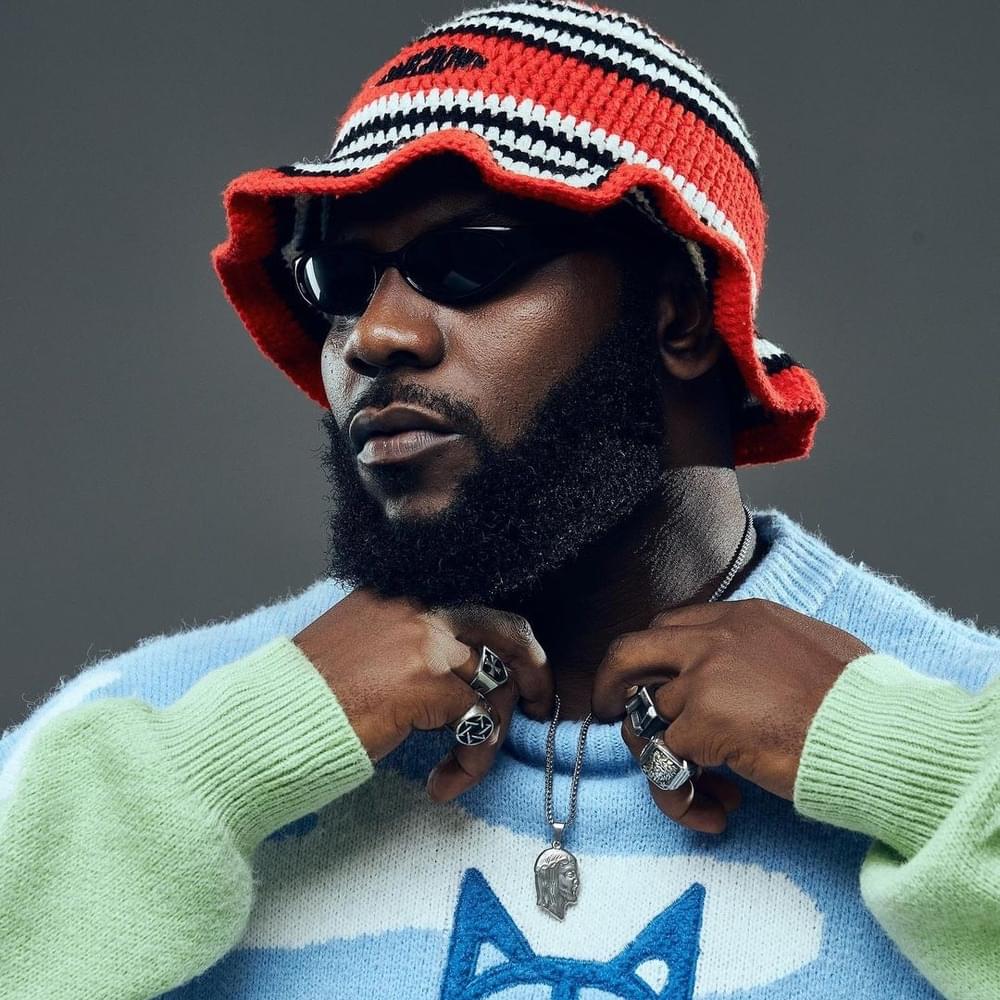
Nigerian rapper Odumodublvck has sparked fresh conversation in the entertainment industry after alleging that age-cheating is a widespread practice among Nigerian musicians trying to secure record deals and brand partnerships.
The rapper made the claim during a recent livestream with streamer Enzo, where he openly discussed how age perception can influence opportunities in the music business.
Read Also: Blaqbonez warns against defining artists by streaming numbers
According to him, many artists intentionally reduce their actual age to appear more marketable to record labels and corporate sponsors who often target younger demographics.
He explained that the entertainment industry places significant emphasis on youth, with investors and industry executives frequently preferring to back younger talent they believe has a longer commercial lifespan.
This, he said, creates pressure that pushes some artists to misrepresent their age.
“I am 32 and I don’t bother myself for getting things right at this age. A lot of artists reduce their age because of record labels and partnership deals. You know a lot of investors in the music industry wouldn’t want to invest in older artists,” he said.
Odumodublvck further suggested that this trend is not isolated but rather a silent norm within the industry.
While he did not name specific individuals, his comments implied that age falsification may be more common than fans realize, especially among rising artists seeking to secure competitive contracts.
The rapper’s statement has since stirred discussions across social media, with many users debating whether age truly plays such a decisive role in an artist’s career trajectory.
Some agree with his observation, pointing out that branding in the music industry often emphasises youth, energy, and long-term market potential.
Others, however, argue that talent and consistency should outweigh age considerations.
Industry observers note that the global music business has long been influenced by perceptions of age, particularly in genres where youth culture dominates consumer demand.
In Afrobeats and other contemporary African music genres, younger artists are often perceived as more relatable to the target audience, especially in digital spaces where trends shift rapidly.
However, critics of this system argue that it unfairly disadvantages older or late-blooming artists who may still have the creativity, energy, and audience appeal needed to succeed.
They also warn that such biases can lead to unnecessary pressure on artists to alter personal information, including their age, to remain competitive.
Odumodublvck also highlighted that financial investors in the music industry tend to prioritise return on investment over artistic potential alone.
As a result, age becomes a key factor in determining perceived longevity and profitability. In his view, this is one of the reasons some artists feel compelled to present themselves as younger than they are.
His remarks add to a growing conversation around transparency and authenticity in the Nigerian entertainment industry, where issues such as identity branding, marketing pressure, and social media influence are increasingly under scrutiny.
In recent years, the Nigerian music scene has experienced rapid global expansion, with Afrobeats gaining international recognition and collaborations with major global artists becoming more frequent.
This growth has increased competition, making it even more important for artists to stand out not just musically, but also in terms of image and branding.
Within this competitive environment, many upcoming artists are believed to carefully curate their public personas, including age, background, and lifestyle narratives, to align with industry expectations.
While such strategies are often viewed as part of marketing, accusations like those made by Odumodublvck raise questions about where branding ends and misrepresentation begins.
Fans and commentators have also weighed in on the ethical implications of age falsification. Some argue that it is a survival strategy in a highly competitive industry, while others believe it undermines trust between artists and their audience.
There are also concerns that such practices could distort industry data, making it difficult to accurately assess trends in artist development and career progression.
Despite the controversy surrounding his comments, Odumodublvck is known for speaking candidly about industry issues, often using his platform to challenge norms within the Nigerian entertainment space.
His latest remarks continue that pattern, shedding light on what he perceives as hidden pressures within the music ecosystem.
As discussions continue, industry stakeholders are being called upon to reflect on how talent is evaluated and supported, particularly in relation to age.
Some argue that more inclusive policies could help reduce the need for misrepresentation, allowing artists of all ages to thrive based on merit rather than demographic expectations.
For now, the debate sparked by Odumodublvck adds another layer to ongoing conversations about transparency, fairness, and survival in Nigeria’s fast-evolving music industry.
For more details, visit New Daily Prime at www.newdailyprime.news.
