


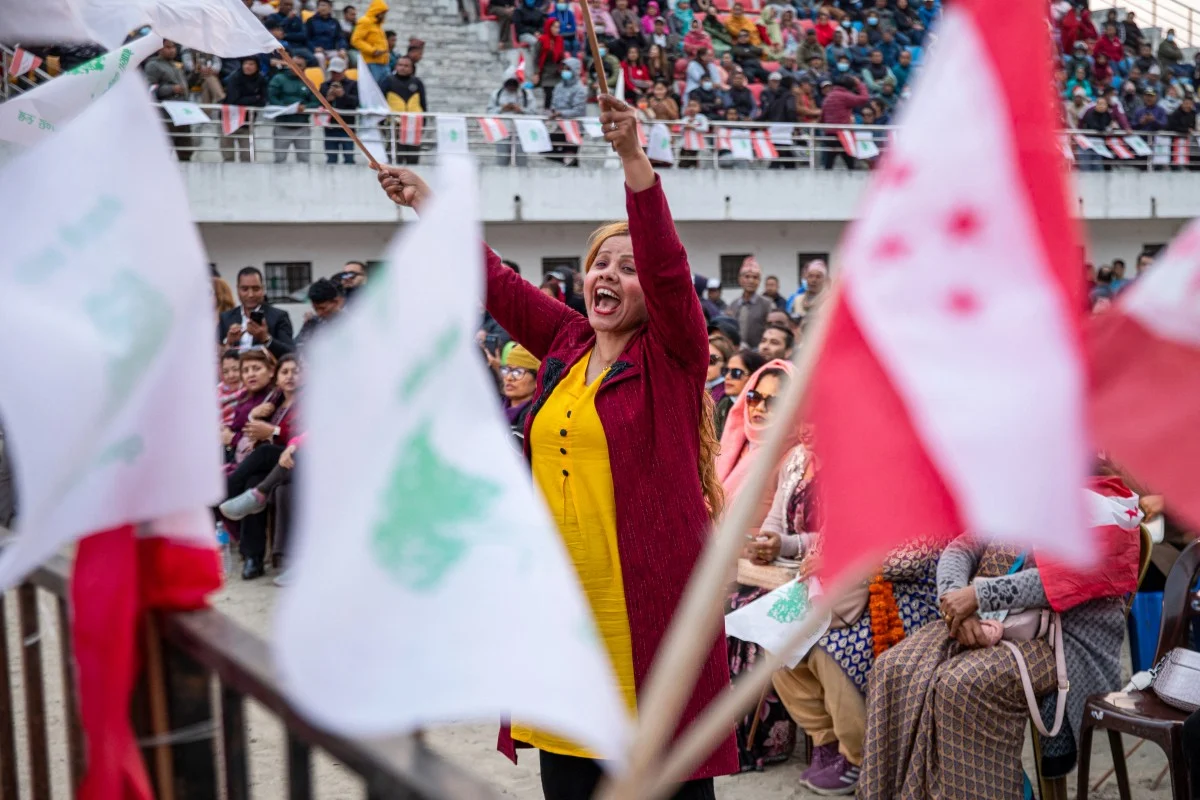
Kathmandu, Nepal – Six months after taking to the streets in mass anti-corruption protests, 23-year-old Amrita Ban is preparing to vote in Thursday’s parliamentary elections, hoping that the new government will heed the demands of the movement.
Last September’s demonstrations, which left at least 77 people dead, set fire to parliament and led to the ousting of the government, continue to cast a long shadow over Ban and her fellow protesters. “It took months to sleep properly again,” she told AFP. “As soon as I closed my eyes, I would hear gunshots, like it was happening right now.”
The protests were initially sparked by a brief government ban on social media but were driven by deeper frustrations over economic hardship, corruption, and entrenched political practices. The first day of unrest saw a harsh security crackdown, resulting in at least 19 deaths, before the demonstrations spread nationwide.
“The candidates I support are those whom I believe will carry forward the spirit of our movement,” said Ban, who has worked to mobilise young voters. Nearly 19 million Nepalis are registered to vote in the elections, including approximately 800,000 first-time voters.
– A Generation of Change –
Young Nepalis, rallying under the banner of Gen Z, largely led the protests. While they do not yet have a political party of their own, they wield significant influence, particularly through social media and grassroots activism.
“We are not in the election race, but we will still be active in raising our voices from outside; the streets are with us,” said 24-year-old Yujan Rajbhandari. “The movement still continues.”
Former protesters have supported a surge of new candidates invoking the ideals of the Gen Z movement. “They cannot forget us if they win,” said 22-year-old Astha Basnet, adding that the recent political engagement represents “a political awakening among younger people” who are curious about parties, policies, and candidates.
However, some activists caution against confusing popularity with competence. “There is a danger to our democracy if we choose populism over capability,” warned 21-year-old Riyab Baniya. “Right now, those whose voices are louder are getting popular, but we have to be critical — we have to support people who will take our mandate forward.”
– Demanding Accountability –
Many who led the protests remain outside mainstream politics, raising concerns over whether their demands will be fully represented. “We raised our voices against bad governance and corruption,” said 28-year-old Janak Pokharel. “But the parties and leaders need to have a roadmap on how to address these issues and older existing problems.”
More than 3,400 candidates are contesting 165 seats in direct elections for the 275-member House of Representatives, with 110 additional members chosen via party lists. Nearly a third of the candidates are under 40, some of whom rose to prominence through the protests.
“We are not looking just for new faces; we need a change in the culture — society was tired of the old leaders,” Ban said. “It is a testing period for forces of alternative politics.”
As Nepal heads to the polls, the nation’s younger voters remain determined to translate their activism into tangible political change, testing both new candidates and the established parties in the process.
