


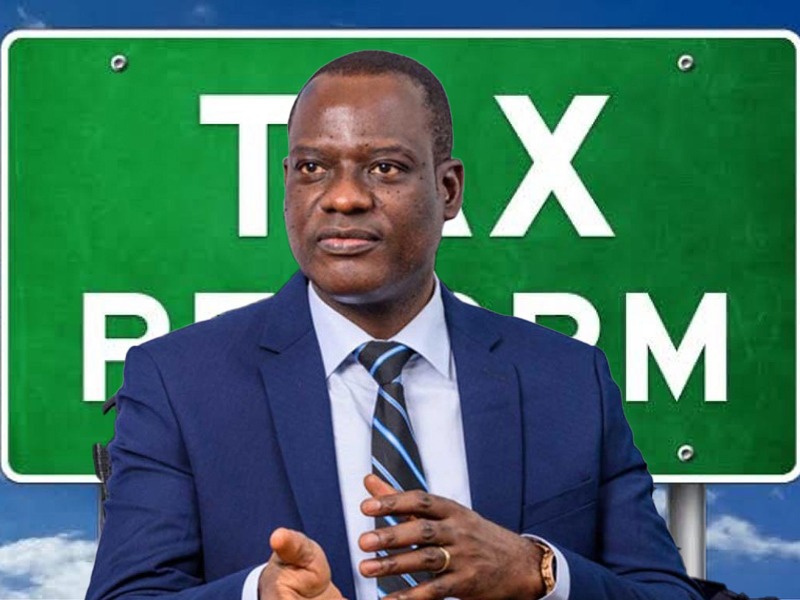
The minister of state for finance, Taiwo Oyedele, has acknowledged errors in Nigeria’s new tax reform laws, saying steps are already underway to address the issues.
Speaking at the 2026 annual conference of the Nigerian Bar Association (NBA) section on legal practice, Oyedele attributed the discrepancies to lapses in the legislative process.
According to him, the mistakes arose from “manual processes and multiple stages of review” involved in drafting and finalising the laws.
The conference, themed ‘From Policy to Practice: Making Sense of Nigeria’s New Tax Reforms’, provided a platform to address concerns over inconsistencies between the gazetted laws and those passed by the national assembly.
A member of the House of Representatives, Abdussamad Dasuki from Sokoto state, had in December 2025, claimed that the gazetted tax laws available to Nigerians are different from the laws passed by the national assembly.
In a post on Friday, the fiscal reforms committee said the minister acknowledged “that errors occurred due to manual processes and multiple stages of review” in the law-making process.
Oyedele said a proposed finance bill is being prepared to correct the identified errors.
“What we need is a more transparent and reliable legislative process where every version of a law is publicly available,” he said.
He also assured Nigerians that enforcement of the new tax laws would be guided by transparency and fairness, not arbitrary decisions.
Highlighting past challenges, Oyedele pointed to inconsistencies in the tax system, including disparities between personal and corporate tax burdens, which he said discouraged business formalisation.
He added that unpredictable policy changes — such as sudden tax proposals on gas companies — had previously sent negative signals to investors.
“If policies can change overnight, it sends the wrong signal to investors. Consistency is critical,” he said.
On inclusivity, Oyedele stressed that the reforms are designed to protect low-income earners and small businesses.
“Nearly half of working Nigerians earn less than N70,000 monthly. Taxing them aggressively would be unjust,” he said.
He further noted that the reforms eliminate minimum tax on loss-making businesses, describing the previous practice as effectively taxing capital rather than profit.
While acknowledging some improvements in revenue utilisation, Oyedele said Nigeria still lags behind countries like South Africa in tax collection efficiency.

