


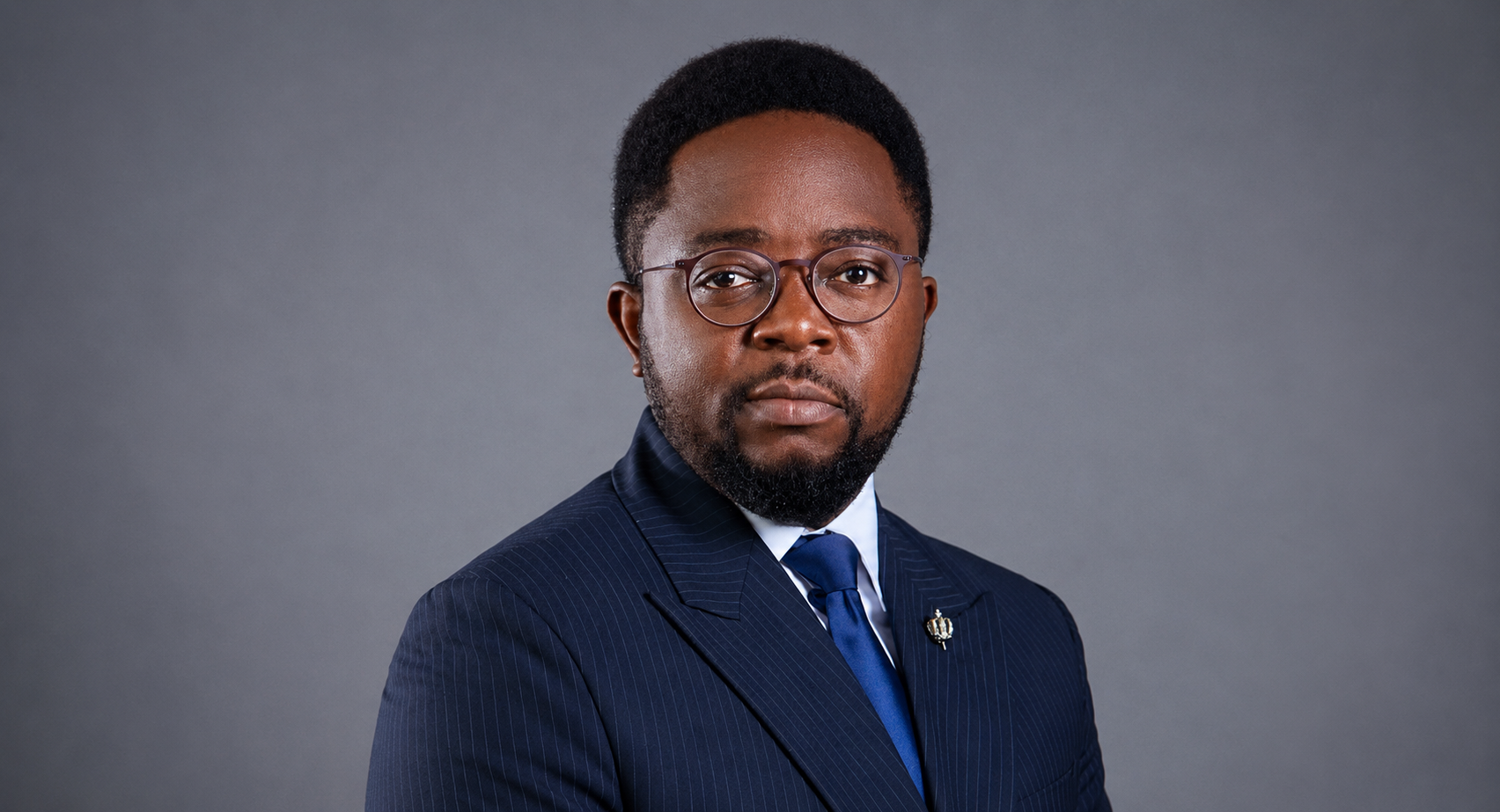
Seun Okinbaloye earns his place among Nigeria’s influential public figures because he works at the point where politics, media and public accountability meet.
He does not hold elected office, control a state budget or lead a political party. His influence comes from access, visibility, public trust and the ability to ask national questions in front of millions of Nigerians.
As a political journalist with Channels Television, Okinbaloye has become one of the country’s most recognised broadcast voices. He is best known as the host of Politics Today and Sunday Politics, two major programmes where governors, ministers, lawmakers, party leaders and policy experts are questioned before the public.
His platform gives him a rare kind of institutional relevance. In a country where many political decisions are made behind closed doors, his interviews help bring those conversations into the open. He presses guests on elections, security, governance, party disputes, public spending and leadership failure.
Read related news:
Wike–Seun saga: Press freedom threatened amid slur
2027: APC risks losing North if it drops Muslim presidential VP — Musawa
Tinubu govt fears only Peter Obi ahead of 2027 — CUPP Secretary
That role matters. Political interviews on national television can shape debate, draw responses from public officials and influence the next day’s news cycle. Okinbaloye does more than report what politicians say; he tests their claims in real time.
His strongest value is agenda-setting. A question asked on his programme can quickly become a national talking point. When guests are asked to clarify party positions, defend policies, explain election disputes or respond to public anger, those moments often travel beyond the studio.
Clips from his interviews are shared across YouTube, X, Facebook, Instagram and WhatsApp, reaching people who may not have watched the original broadcast. This digital spread has extended his reach and made his work part of wider political conversation.
Trust is also central to his influence. Okinbaloye is not known mainly as a celebrity journalist. He is seen as a serious political interviewer whose work is tied to governance, elections and accountability. In a crowded media space, that gives his platform weight.
His position is also distinct from many other media personalities because he regularly interviews people who hold power. By questioning them in public, he helps citizens understand how leaders explain their decisions.
He also speaks to a younger generation of politically aware Nigerians. Through television, online clips and The Mic On Podcast, his work reaches people who follow politics outside traditional news bulletins. This keeps him relevant as Nigeria moves towards 2026, when debates around governance, economic hardship, insecurity, youth participation and the next election cycle will grow stronger.
His impact is not measured by laws passed or contracts awarded. It is measured by the pressure his questions place on people in authority, the issues he brings into public view and the accountability his interviews demand. In a democracy, that is a serious form of influence.
Okinbaloye has also received professional recognition. In 2019, he won the Nigerian Media Merit Award for Television Programme Presenter of the Year, one of the major honours in Nigerian journalism. The award reinforced his standing as one of the country’s leading political interviewers.
His influence has limits. He does not have executive power and cannot force policy change. His role is mainly to shape debate, not to make decisions. His reach also depends partly on the strength of Channels Television and the willingness of powerful figures to appear before him.
Even with those limits, his position in the media space is strong. He gives national politics a public stage and helps make leaders answerable. In a country where citizens often feel distant from decision-makers, that role makes him one of Nigeria’s important public voices.
Weighted Influence Scorecard
| Influence Indicator | Score | Assessment |
|---|---|---|
| Current Power and Institutional Control | 6/10 | Okinbaloye does not control political office or government institutions, but he works from a major media platform. His access to decision-makers gives him indirect influence over national debate. |
| Reach and Visibility | 9/10 | As host of major political programmes on Channels Television, he is one of Nigeria’s most visible political journalists. His interviews are watched on TV and widely shared online. |
| Impact and Tangible Results | 8/10 | His interviews can push politicians to clarify positions, defend decisions and respond to public concerns. His strongest impact is agenda-setting. |
| Soft Power and Cultural Influence | 8/10 | He has become part of Nigeria’s political media culture. For many viewers, his programmes are a key space for understanding politics and government performance. |
| Relevance to 2026 | 8/10 | His role will remain important as Nigeria moves deeper into the current political cycle. Governance, security, economic pressure and election debates will keep political interviews relevant. |
| Generational Influence | 8/10 | His television work, online clips and podcast presence help connect younger Nigerians to political discussion, especially those who follow public affairs on social media. |
| National and International Recognition | 7/10 | He is recognised nationally as a leading political broadcaster and has received industry awards. His profile is strongest in Nigeria, but his interviews also reach diaspora audiences. |
New Daily Prime estimates his weighted influence score at 77.0/100, positioning him among Nigeria’s top public figures whose soft power has helped shape the country’s culture, global image and creative economy.

