


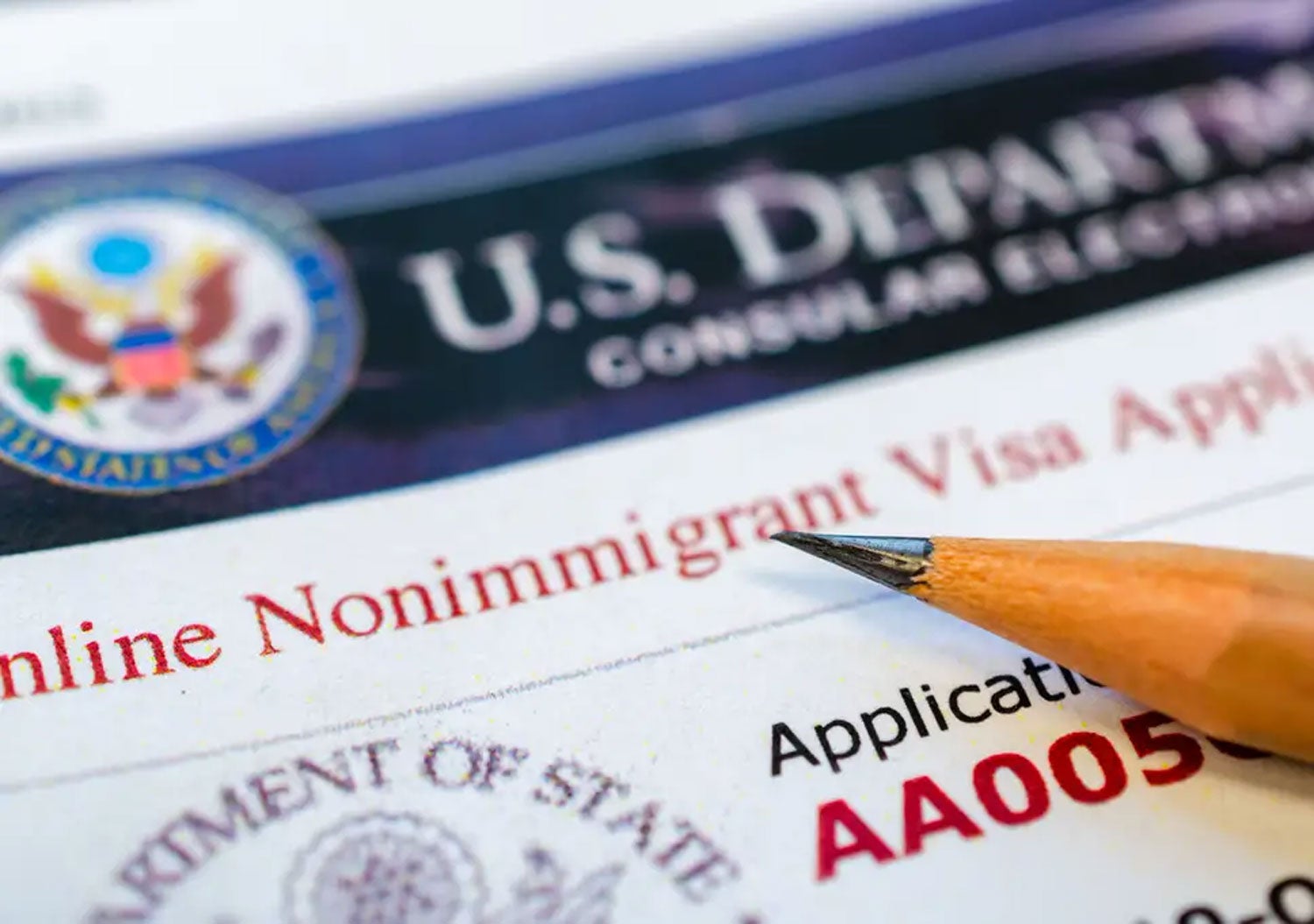
The United States has announced new travel measures that may require Nigerians applying for B1/B2 (business and tourism) visas to pay visa bonds of up to $15,000.
The policy, introduced by the US Department of State, targets applicants from countries classified as high-risk for visa overstays. Of the 38 countries listed in the updated notice released on Tuesday, 24 are in Africa, with Nigeria included.
Under the new rules, which take effect for Nigeria on January 21, applicants who are otherwise eligible for a B1/B2 visa may be asked to provide a financial bond ranging from $5,000 to $15,000, depending on the assessment made during their visa interview.
According to the State Department, “Any citizen or national travelling on a passport issued by one of these countries, who is found otherwise eligible for a B1/B2 visa, must post a bond for $5,000, $10,000, or $15,000. The amount is determined at the time of the visa interview.”
Applicants will also be required to complete a Department of Homeland Security (DHS) Form I-352 and make payments through the US Treasury’s Pay.gov platform. The department emphasised that the bond applies regardless of where the visa application is submitted and does not guarantee visa approval.
“A bond does not guarantee visa issuance. If someone pays fees without a consular officer’s direction, the fees will not be returned,” the notice added.
Visa holders subject to the bond requirement must enter the US through selected airports, including Boston Logan International Airport, John F. Kennedy International Airport in New York, and Washington Dulles International Airport in Virginia.
The bond will be refunded only if DHS confirms that the traveller departed the US on or before the authorised stay expires, if the visa holder never travels to the US before the visa expires, or if entry is refused at a US port of entry after application.
The latest measure follows a partial travel restriction imposed on Nigeria and 14 other countries—mostly in Africa—on December 16. That restriction, which became effective on January 1, affects both immigrant visas and several non-immigrant categories, including B-1, B-2, B-1/B-2, F, M, and J visas.
In Nigeria’s case, US authorities cited security concerns linked to the activities of extremist groups such as Boko Haram and the Islamic State in some regions, which they said posed “substantial screening and vetting difficulties”.
The US also pointed to visa overstay figures, noting a 5.56% overstay rate for B1/B2 visas and 11.90% for F, M, and J visa categories, as part of the justification for the restrictions.

