


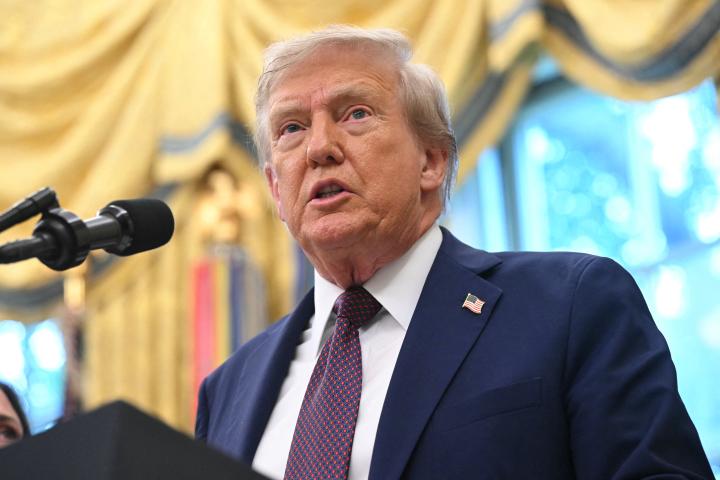
President Donald Trump has authorised Nvidia to begin selling its advanced H200 artificial intelligence chips to approved customers in China, a move that marks a significant victory for the chipmaker and its chief executive, Jensen Huang.
Until Monday’s announcement, US rules had barred sales of Nvidia’s most powerful chips to China on national security grounds. In a post on Truth Social, Trump said he had informed President Xi Jinping that the United States would permit Nvidia to ship H200 products to approved customers in China and other countries, under conditions intended to preserve national security. He added that President Xi had responded positively.
The Department of Commerce is finalising the details, the president said, and Trump indicated he planned to extend similar offers to other chipmakers, including Advanced Micro Devices and Intel. Nvidia’s H200 is the company’s second‑most powerful chip and is substantially more capable than the H20 model that had been designed as a lower‑powered alternative for the Chinese market.
Trump said the US would receive 25% of the proceeds from sales, an increase on the 15% figure agreed in an earlier arrangement with Nvidia. The proposal follows other unconventional plans by the administration to take a financial stake or cut from private business deals; in August Trump said the US would receive a 10% stake in Intel. Some lawmakers have questioned the legality of such arrangements.
Democratic senators Elizabeth Warren and Andy Kim wrote to Commerce Secretary Howard Lutnick last week to express concern about lifting restrictions, warning that the chips could be used to bolster China’s “surveillance, censorship, and military applications”. Senator Warren also called on Mr Huang to testify before Congress under oath.
Mr Huang has lobbied the White House for months and has met the president on several occasions. He attended the administration’s AI summit in July, met Mr Trump as recently as last week and was a guest at a White House dinner for the Saudi crown prince Mohammed bin Salman. Nvidia has pledged to invest $500bn in AI infrastructure in the US over the next four years.
Relations between Nvidia and China have been strained by the export controls. Earlier this year Beijing imposed its own restrictions on Nvidia chip imports, with reports that major Chinese tech firms were instructed to cancel orders. Mr Huang has said Nvidia’s share of the Chinese market fell from 95% to zero and described the bans as a “strategic mistake”.
Allowing sales to China could yield substantial revenue for Nvidia, which is valued at about $4.5tn. A company spokesperson welcomed the decision, saying that offering H200 chips to approved commercial customers vetted by the Department of Commerce “strikes a thoughtful balance that is great for America”.
Both Nvidia and the White House said the move would support US jobs and manufacturing. In his post, Trump criticised the previous administration’s export controls, saying they had hindered US competitiveness and China’s AI development. “That era is OVER!” he wrote. “My Administration will always put America FIRST.”
Chinese authorities had not issued an official response at the time of publication. A telecom industry analyst quoted by the Global Times said years of US curbs had given China’s domestic chip industry a rare opportunity to grow and catch up.

