


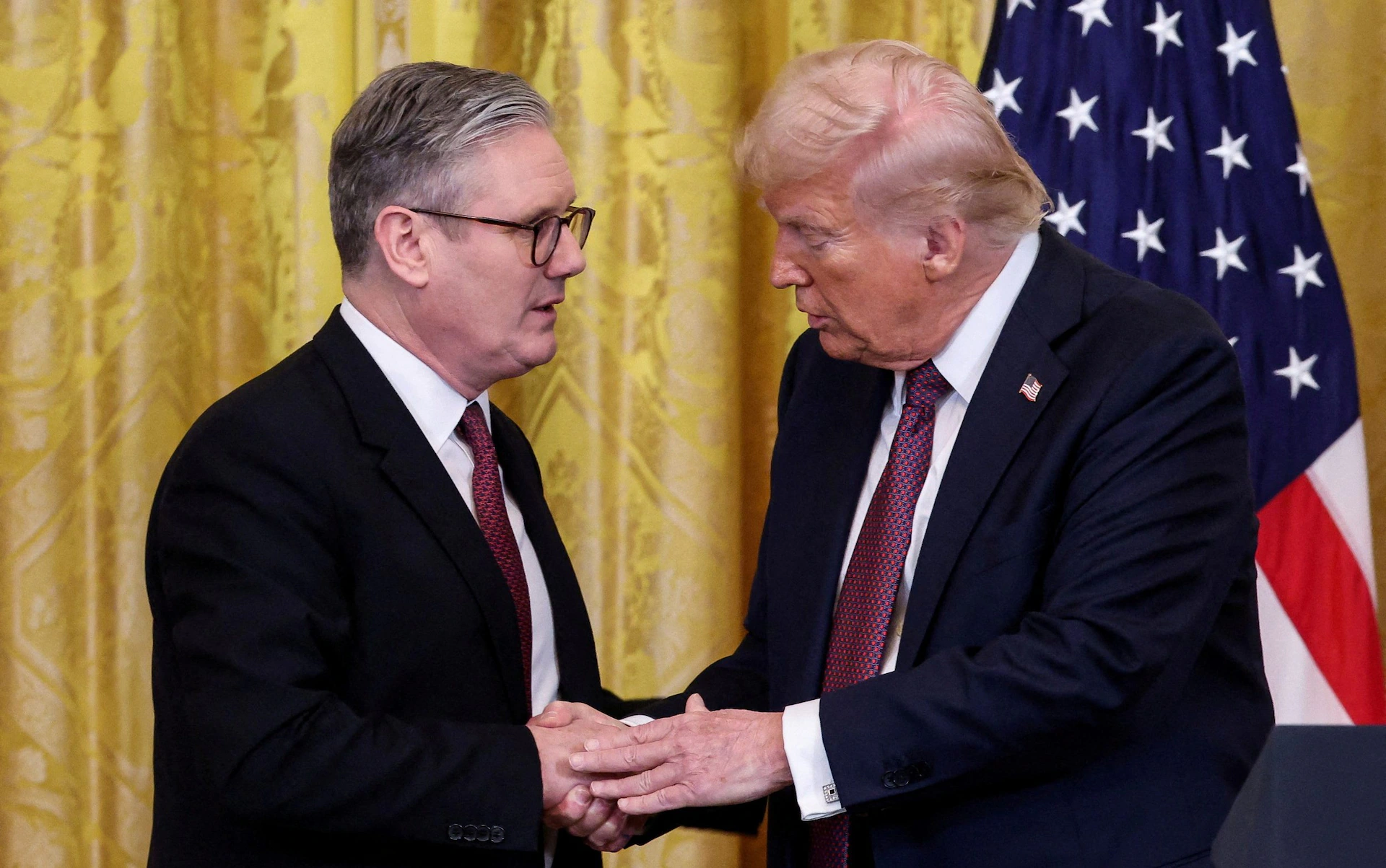
Donald Trump has launched a blistering attack on Nato allies, declaring the United States no longer needs their support, as divisions over the war with Iran deepen and threaten to fracture Western unity.
In a post on Truth Social, the US president said several allied nations had refused to assist American efforts in the Gulf, particularly in securing the Strait of Hormuz, a critical artery for global oil supplies.
“We no longer ‘need,’ or desire, the Nato countries’ assistance — WE NEVER DID!” Trump wrote.
The remarks underscore a growing rift between Washington and its traditional partners after a number of European countries declined requests to help safeguard shipping through the strategic waterway, which carries about a fifth of the world’s oil.
The dispute comes at a volatile moment in the conflict, with attacks on energy infrastructure and shipping raising fears of a broader regional war and a potential global energy shock.
Tensions were further heightened by the resignation of Joe Kent, director of the US National Counterterrorism Center, who stepped down in protest over the war.
In a sharply worded resignation letter, Kent said he could not “in good conscience support the ongoing war in Iran,” arguing that Tehran posed no immediate threat to the United States.
“Iran posed no imminent threat to our nation,” he wrote. “It is clear that we started this war due to pressure from Israel and its powerful American lobby.”
Kent, a combat veteran whose wife was killed in action, warned that the conflict risked repeating past mistakes in the Middle East.
“I cannot support sending the next generation off to fight and die in a war that serves no benefit to the American people nor justifies the cost,” he said.
The crisis has exposed sharp divisions across Europe, where leaders have been reluctant to join US-led military operations.
British Prime Minister Sir Keir Starmer has resisted calls to participate in the offensive, insisting that any deployment of British forces must be based on a clear legal mandate and the national interest.
Trump openly criticised the British leader, questioning his effectiveness during a meeting with Irish Prime Minister Micheál Martin.
“I like him. He’s a nice man… but he doesn’t produce,” Trump said.
Germany’s Chancellor Friedrich Merz has also distanced Berlin from the conflict, saying it is “not Nato’s war,” while European Union officials have emphasised the need for diplomacy over military escalation.
The Strait of Hormuz has emerged as the central flashpoint, with escalating threats to shipping pushing oil prices higher and raising concerns about supply disruptions.
Washington has pressed allies to contribute naval support to secure the route, but many governments remain wary of being drawn into a widening conflict with Iran.
Trump has increasingly tied America’s commitment to Nato to burden-sharing, reviving long-standing grievances that European countries rely too heavily on US military protection.
While some analysts see his rhetoric as negotiating tactics, others warn that sustained tensions, combined with rising energy prices, could strain the alliance at a critical moment.
Former British prime minister Sir Tony Blair said allies should stand with Washington in times of crisis.
“When the Americans ask for help, they are your ally and an indispensable cornerstone for your security,” he said. “You had better show up.”
With no clear path to de-escalation, the war in Iran is testing not only military strategy but the resilience of the Western alliance itself, and raising the prospect of a deeper geopolitical rupture.

