


A global shortage of nearly one million midwives is leaving pregnant women without essential care, increasing the risk of preventable harm, including the deaths of mothers and babies, according to new research.
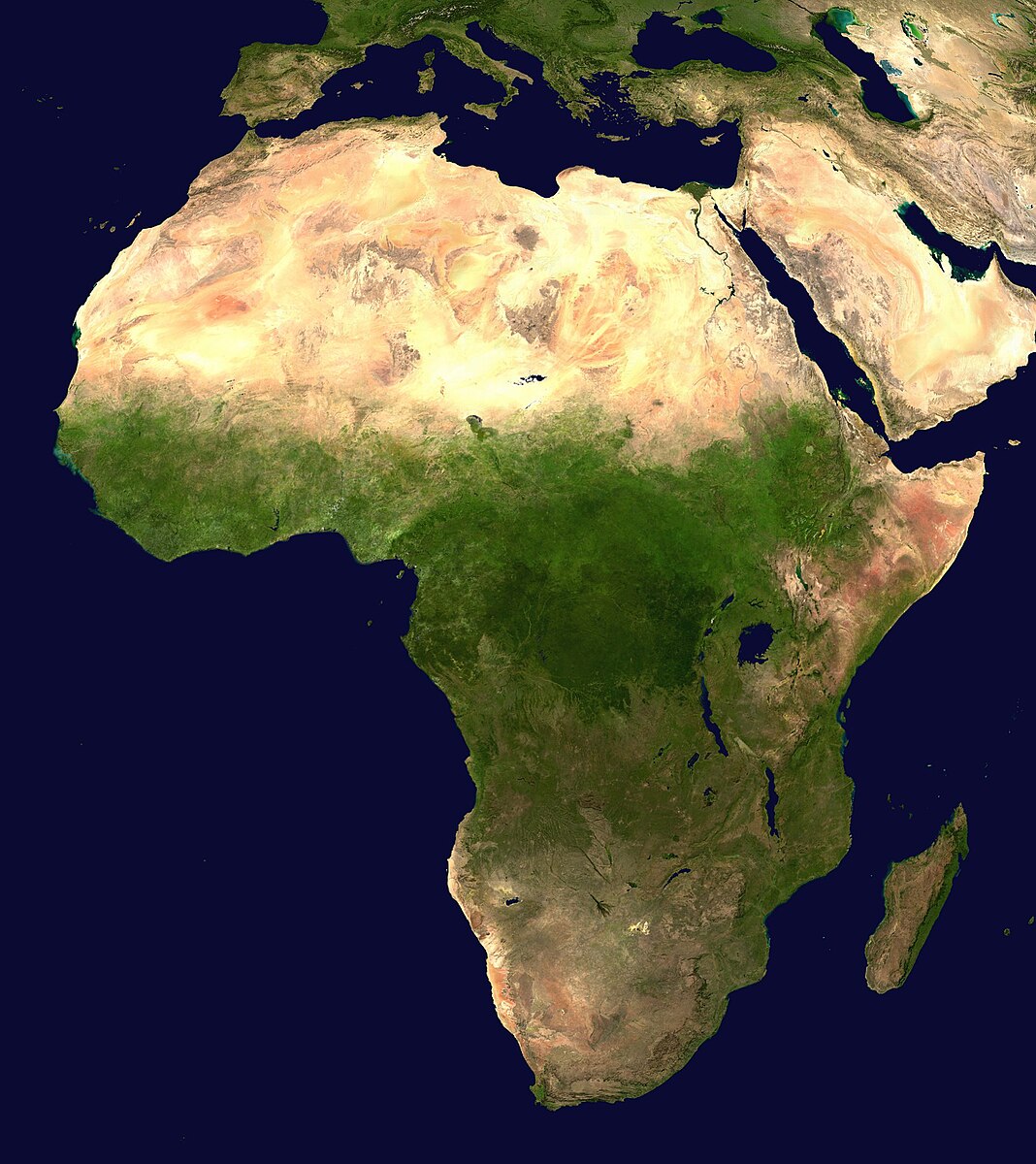
The study found that almost half of the global shortfall is in Africa, where nine in 10 women live in countries with too few midwives to meet demand.
Anna af Ugglas, chief executive of the International Confederation of Midwives (ICM) and a co-author of the research, warned that overstretched health systems are struggling to cope.
“Nearly one million missing midwives means health systems are stretched beyond capacity,” she said. “Midwives are overworked and underpaid, and care becomes rushed and fragmented.”
She added that higher intervention rates and poor-quality care were becoming more common. “This is not just a workforce issue. It is a quality and safety issue for women and babies.”
The researchers estimated that an additional 980,000 midwives are needed across 181 countries to ensure all women receive safe, good-quality care before, during and after pregnancy.
Previous studies suggest that universal access to care delivered by midwives could prevent two-thirds of maternal and newborn deaths and stillbirths. This could save up to 4.3 million lives each year by 2035.
The ICM said the crisis is driven not only by limited training opportunities but also by failures to employ qualified midwives and retain those already working in health services.
Prof Jacqueline Dunkley-Bent, the ICM’s chief midwife and another author of the report, said many trained midwives were unable to practise fully or were not absorbed into the workforce.
“In many settings, midwives are educated but not enabled to provide the care they are trained to deliver,” she said. “This deepens the shortage and leaves women without access to essential services.”
More than 90 per cent of the global shortfall is concentrated in low- and middle-income countries. Africa has only 40 per cent of the midwives it needs, while the eastern Mediterranean region has 31 per cent and the Americas just 15 per cent. Smaller, though still significant, gaps exist in regions such as south-east Asia and Europe.
The study, published in the journal Women and Birth, calculated the number of midwives required to provide basic care, including contraception counselling, antenatal screening and support during childbirth. These figures were then compared with existing workforce data, though researchers noted limitations due to gaps in available information.
While the number of midwives worldwide is increasing, the researchers warned that the gap between supply and need is likely to persist well into the next decade. This would extend beyond the 2030 deadline set by global development goals to reduce maternal mortality and prevent avoidable deaths among newborns and young children.
The ICM has urged governments to take urgent action, calling for greater investment in midwifery and support for a global petition aimed at strengthening the profession.
“When midwifery is respected and properly supported, more women are motivated to train and remain in the workforce,” af Ugglas said. “That is how countries improve health outcomes and build stronger, more sustainable health systems.”

