


Preparations are under way to reopen Gaza’s main border crossing at Rafah, although it remains unclear whether any Palestinians will pass through before the end of the day, officials have said.
Before the war, the Rafah crossing with Egypt was Gaza’s only direct exit to the outside world for most Palestinians and a vital entry point for humanitarian aid. It has been largely closed since May 2024.
Cogat, the Israeli military body responsible for humanitarian coordination, said the crossing would reopen in both directions for Gaza residents travelling on foot. Its operation will be coordinated with Egypt and the European Union.
“As part of the pilot for the initial operation of the crossing, all involved parties are carrying out a series of preliminary preparations aimed at increasing readiness for full operation,” Cogat said on Sunday. It added that movement through the crossing would begin once those preparations were completed.
A source close to the EU mission confirmed the arrangement, while a Palestinian official said the crossing was expected to open to passengers on Monday. The Egyptian foreign ministry did not respond to requests for comment.
Israel said the crossing would operate under strict security checks and would be open only to Palestinians seeking to leave Gaza and to those who fled during the early months of the war and now wish to return.
Many of those expected to leave are sick or wounded and require medical treatment abroad. The Palestinian health ministry estimates that about 20,000 patients are waiting to exit the territory.
An Israeli defence official said the crossing would be able to handle between 150 and 200 people in both directions combined. More people were expected to leave than return, as patients would travel with escorts. Lists of approved travellers had been submitted by Egypt and cleared by Israel, the official said.
The reopening of the Rafah crossing is a key condition of the first phase of US president Donald Trump’s plan to end the conflict in Gaza. However, the ceasefire, which came into effect in October after two years of fighting, has been repeatedly undermined by renewed violence.
Since the truce began, Israeli attacks have killed more than 500 Palestinians, according to local health officials. Palestinian militants have killed four Israeli soldiers, Israeli authorities say.
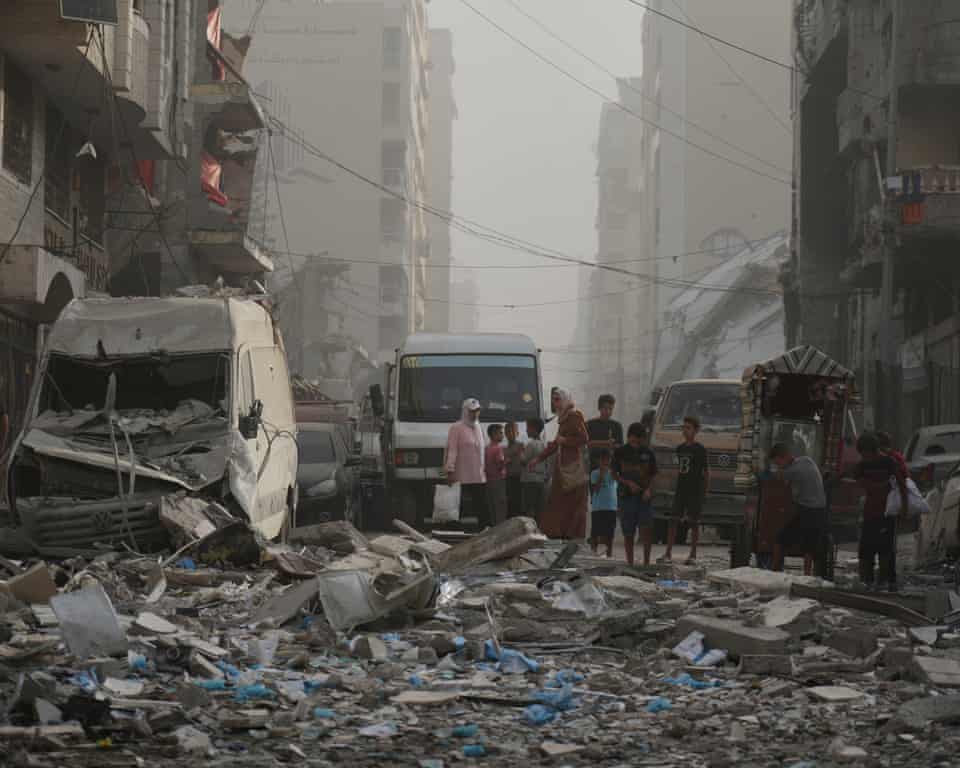
On Saturday, Israel carried out some of its heaviest airstrikes since the ceasefire, killing at least 30 people. Israel said the strikes were in response to a Hamas violation of the truce on Friday, when militants emerged from a tunnel in Rafah.
Later stages of Trump’s plan call for governance in Gaza to be transferred to Palestinian technocrats, for Hamas to disarm, and for Israeli troops to withdraw. An international force would then oversee security while reconstruction begins.
Hamas has so far rejected calls to lay down its weapons. Israel has said it will use force if the group does not disarm voluntarily.

