


Authorities in Russia have introduced new health guidelines that recommend referring women who do not want children to psychologists, as part of efforts to address the country’s declining birth rate.
The policy, issued by the health ministry, forms part of updated reproductive health checks, where doctors are required to ask women about their desired number of children. If a patient indicates zero, “it is recommended to send the patient to a consultation with a medical psychologist with the goal of forming a positive attitude towards having children.”
The move reflects growing concern within the government over the country’s demographic challenges, which have been worsened by years of low fertility and the impact of the war in Ukraine.
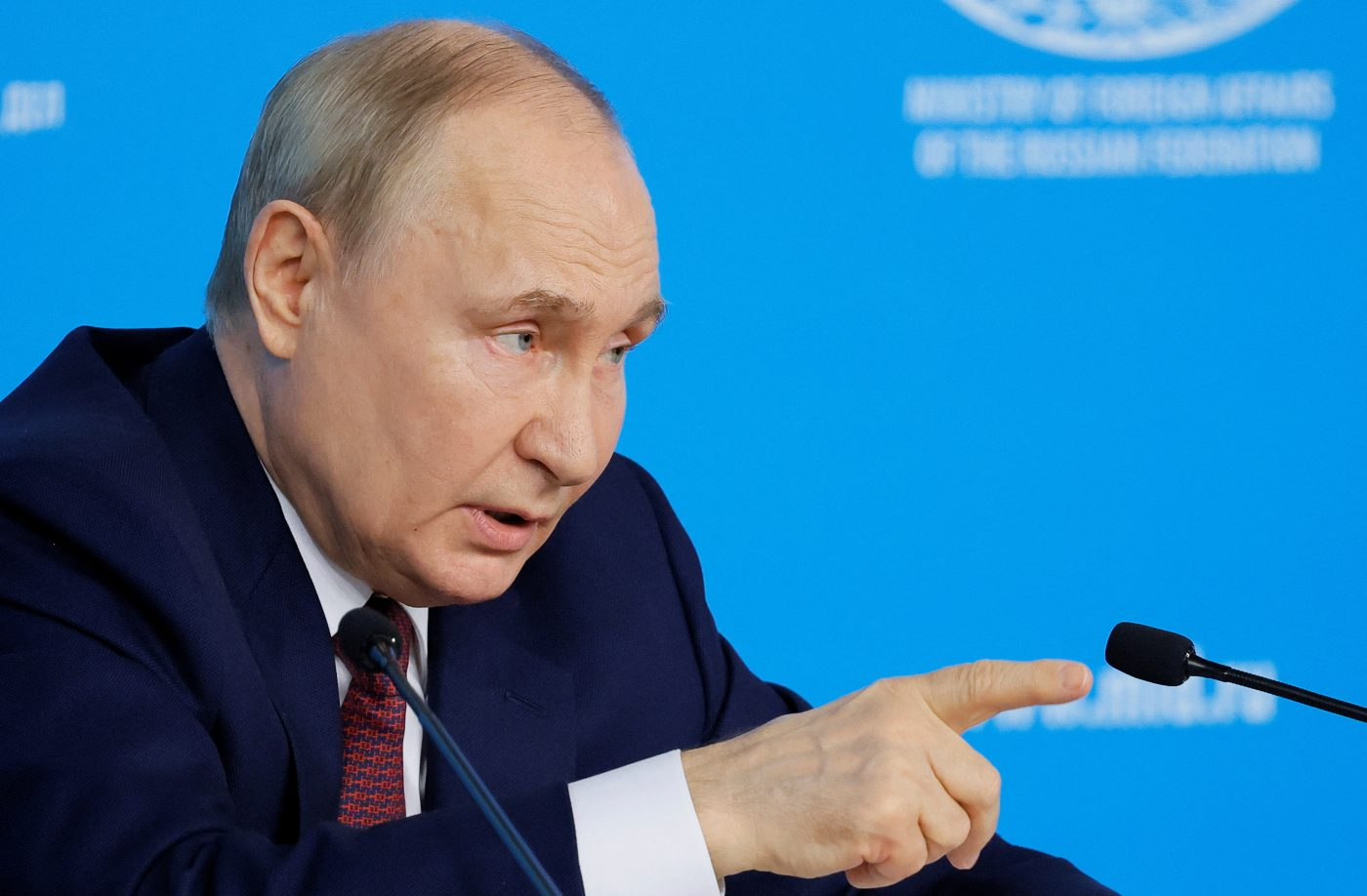
President Vladimir Putin has repeatedly described the shrinking population as a national security issue, warning in 2024 that the country could face “extinction” if birth rates do not improve.
Russia’s fertility rate currently stands at about 1.4 children per woman—significantly below the 2.1 level widely considered necessary to maintain a stable population.
In recent years, the government has taken additional steps to encourage childbirth, including tightening abortion regulations and banning what it describes as “child-free propaganda.”
At the same time, authorities have introduced incentives for larger families, offering financial support and social benefits, while promoting them as a patriotic contribution to the country’s future.
The latest directive underscores Moscow’s intensifying push to reverse population decline through both policy and social influence.

