


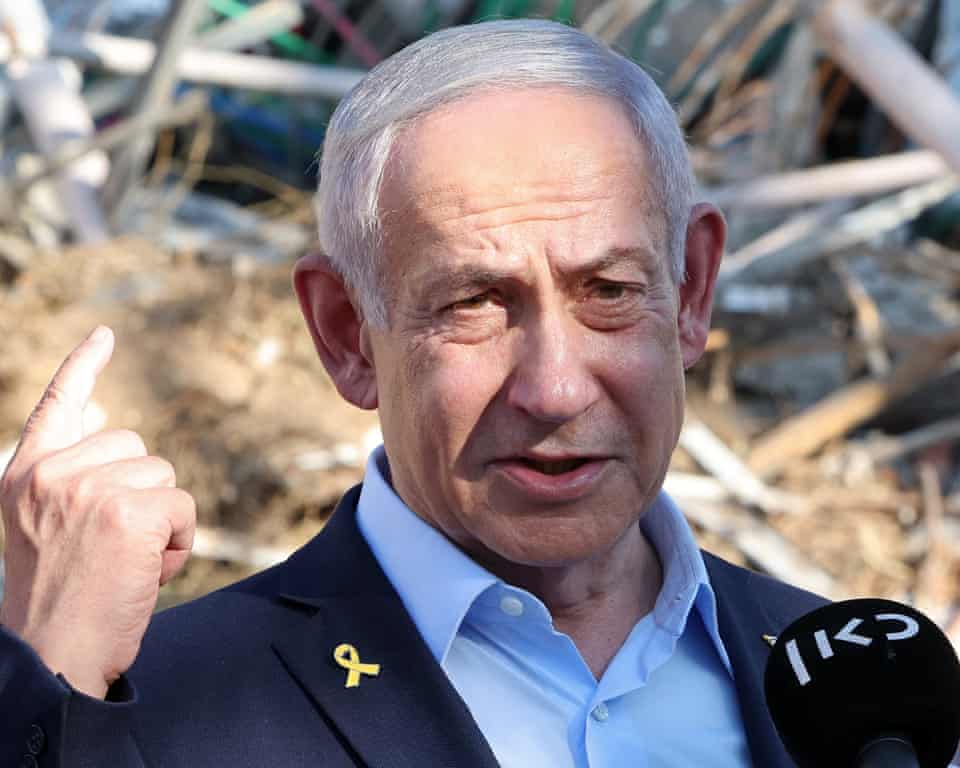
Israel’s prime minister, Benjamin Netanyahu, has agreed to join a US-backed “board of peace” proposed by Donald Trump, despite earlier objections from his office over the body’s leadership structure.
The initiative, chaired by the US president, was initially described as a small forum of world leaders tasked with overseeing a ceasefire in Gaza. In recent weeks, however, it has expanded significantly, with invitations sent to dozens of countries.
Trump’s team has suggested the board could evolve into a broader platform for mediating conflicts beyond the Middle East, raising concerns among diplomats about its potential impact on existing international institutions.
Some diplomats have warned that the proposal could undermine the work of the United Nations. Asked on Tuesday whether the board should replace the UN, Trump said: “It might.”
He added that the UN “hasn’t been very helpful” and “has never lived up to its potential”, while also saying it should continue because “the potential is so great”.
Netanyahu’s office had previously criticised the composition of the board’s executive committee, which includes Turkey, a regional rival of Israel. In a brief statement issued earlier, it said the committee had been formed without coordination with the Israeli government and was “contrary to its policy”.
Despite those objections, Netanyahu’s office announced on Sunday that he had accepted the US president’s invitation to join the board.
The move comes amid domestic pressure on Netanyahu from far-right members of his governing coalition. On Sunday, they rejected a US-backed plan for postwar governance in Gaza, accusing the prime minister of failing to annex the territory and establish new Israeli settlements.
Countries that have already agreed to participate in the board include the United Arab Emirates, Morocco, Vietnam, Belarus, Hungary, Kazakhstan and Argentina. Others, including the UK, Russia and the European Commission, have confirmed receipt of invitations but have not yet responded.
According to a draft charter seen by Reuters, the US administration has asked invited countries to contribute $1bn in cash if they want their membership to extend beyond three years.
The document states that member states would normally serve a single term of no more than three years, unless they contribute more than $1bn within the first year of the charter coming into force.
Diplomats said the language of the draft charter appears to target existing global institutions. It calls on members to have “the courage to depart from approaches and institutions that have too often failed”.
Trump has long been critical of the UN and earlier this month announced that the US would withdraw from 66 international organisations and treaties, around half of which are linked to the UN system.
Under the proposed rules, membership of the board would be limited to states invited by the chair. The chair would also hold wide-ranging powers, including the authority to remove member states, subject to a two-thirds veto, and to appoint a successor in the event of their departure.

