


Suspected Iranian drones struck the United States embassy in Saudi Arabia overnight, setting part of the compound on fire and pushing tensions in the Gulf to a new level.
US and Saudi officials said two drones hit the American mission in Riyadh early on Tuesday, causing a small blaze inside the embassy grounds. Witnesses reported hearing loud explosions before dawn and seeing smoke rising over the diplomatic quarter, the tightly guarded district that houses foreign embassies in the Saudi capital.
Saudi authorities said more than half a dozen drones were intercepted over Riyadh. Four of them were believed to be heading towards the diplomatic quarter. Others were aimed at the city of Al-Kharj, south of the capital.
The attack forms part of a wider wave of missile and drone strikes launched by Iran against Gulf states overnight. The escalation follows massive joint US-Israeli strikes that killed Ali Khamenei, Iran’s supreme leader, dramatically altering the region’s political landscape.
Read related news :
One dead, eleven injured after Iranian missile strikes hit UAE airports
‘Keep protesting, help is on the way,’ says Trump to Iranian protesters
Britain braces for escalating threat of Iranian attack
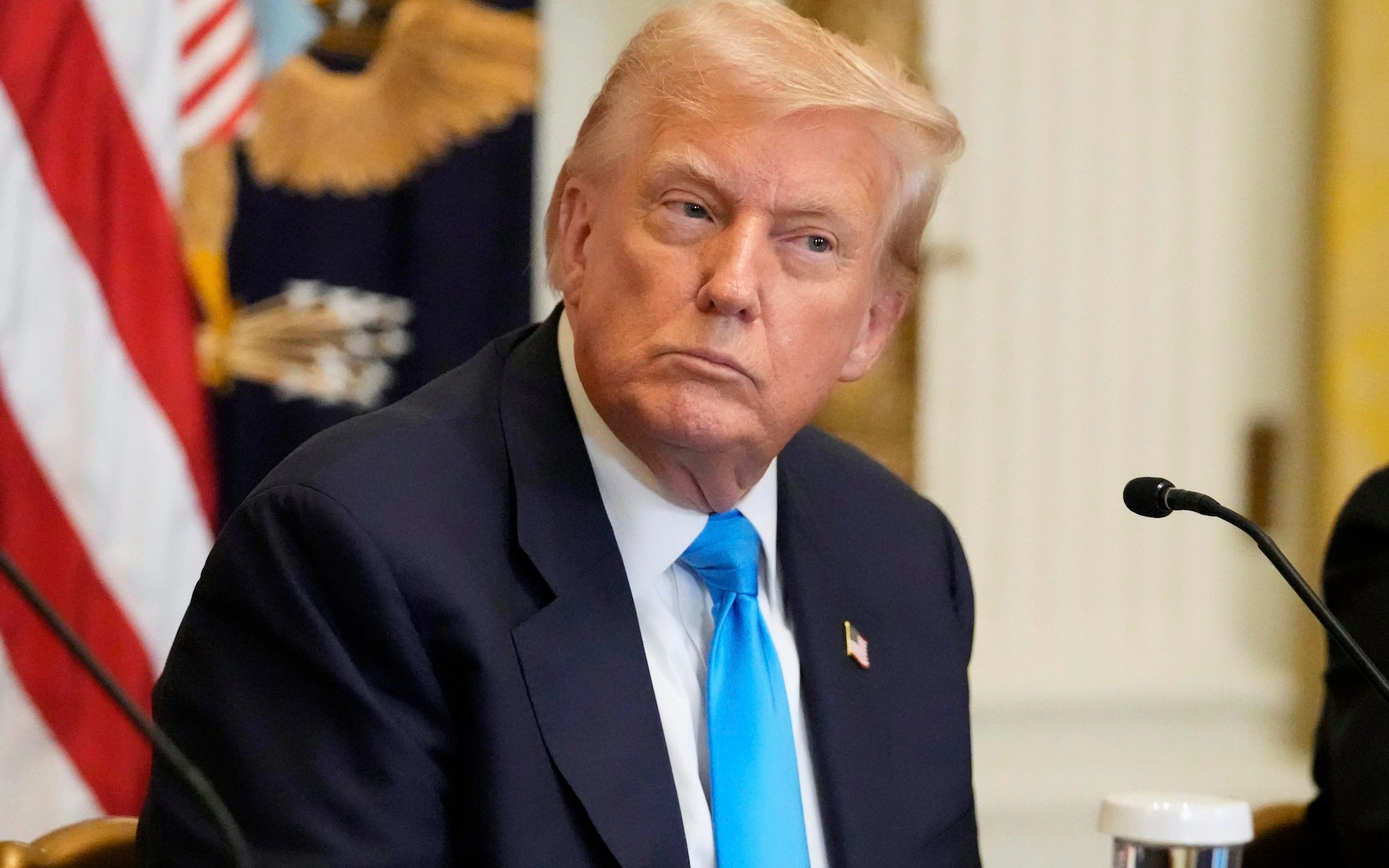
President Donald Trump responded with a warning of retaliation. Speaking to News Nation, he said of the drone strike: “You’ll find out soon” what shape the US response would take. The White House has indicated that further military action against Iran is under consideration.
Security measures were tightened across the region. The US embassy in Riyadh issued shelter-in-place warnings for American citizens in Riyadh, Jeddah and Dhahran. Non-essential travel to military installations was restricted.
At the same time, Washington urged its citizens in Israel and the United Arab Emirates to leave “now” using commercial flights, as preparations were made for what officials described as a fresh major strike on Iranian targets.
The crisis deepened further when the US embassy in Kuwait announced it would close until further notice, citing “ongoing regional tensions”.
In a statement, the mission said: “We have cancelled all regular and emergency consular appointments. We will communicate when the embassy returns to normal operations.”
The closure came after the embassy in Kuwait was struck by an Iranian drone on Monday, according to US officials — a sign that American diplomatic sites across the Gulf are now within reach of escalating hostilities.
The targeting of US embassies represents a significant shift. Diplomatic compounds are protected under international law and are considered sovereign territory. Strikes against them risk widening the conflict beyond military installations and into civilian and diplomatic space.
Regional governments have stepped up air defences, while international airlines review routes through Gulf airspace. Security sources say embassies across the Middle East are reassessing protective measures amid fears of further drone or missile attacks.
The pace of events suggests a fast-moving confrontation with limited room for diplomacy. With embassies under threat, civilians told to leave and military retaliation looming, the region faces a period of acute uncertainty.
As smoke cleared over Riyadh’s diplomatic quarter and embassy gates shut in Kuwait City, one fact stood out: the conflict is no longer distant or contained. It is unfolding at the doors of America’s diplomatic missions — and the next move could determine whether the crisis stabilises or spirals further.

