


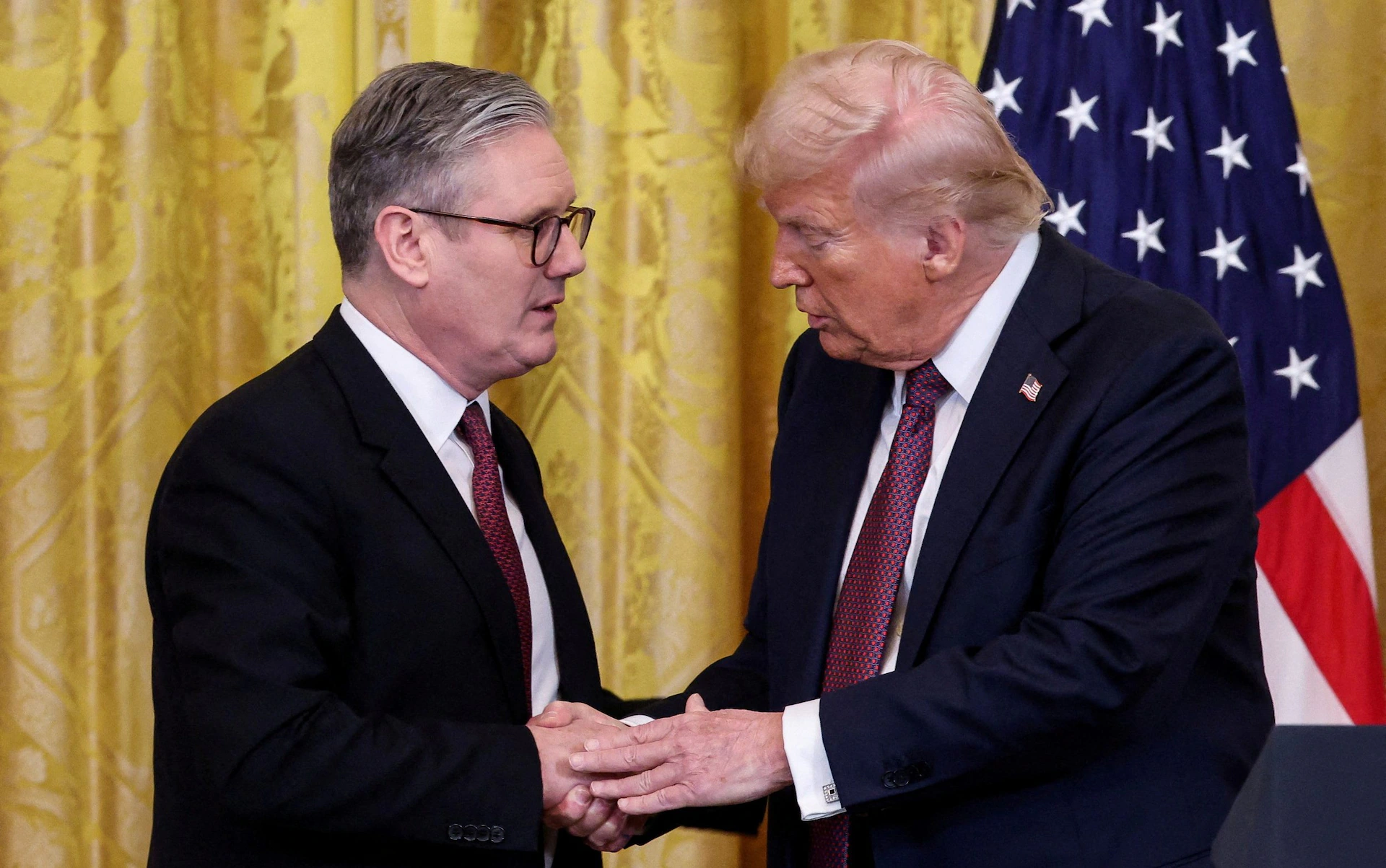
Prime Minister Keir Starmer has urged Donald Trump to pursue negotiations with Iran, warning that diplomacy remains the best path to prevent the Islamic Republic from developing nuclear weapons.
Speaking at a Downing Street press conference on Thursday, Sir Keir said Britain still believes a negotiated settlement with Tehran is the most effective way to reduce tensions and prevent further escalation in the Middle East.
“The long-standing British position is that the best way forward for the regime and the world is a negotiated settlement with Iran where they give up their nuclear ambitions,” the Prime Minister said.
His remarks come days after the United States and Israel carried out strikes on Iranian targets, triggering a wave of missile and drone attacks across the region. Britain chose not to join the strikes, a decision that has caused tension between London and Washington.
Read related news:
Starmer’s communications chief Allan resigns amid political turmoil
Starmer invites Japan PM to UK visit
Trump denies Israel forced US hand in Iran strikes
Mr Trump previously declared that it was “too late” for Iran to negotiate with the United States. Relations between the two leaders were further strained when Sir Keir initially refused to allow American forces to use British bases for offensive operations against Iran.
The Prime Minister later allowed US warplanes to operate from British facilities for defensive missions as Iran continued launching attacks against targets in the Middle East.
Several regional allies have criticised Britain’s response. Governments in Cyprus, Bahrain and Kuwait say London has not done enough to shield them from Iranian drone and missile strikes.
Cyprus, which hosts the key RAF Akrotiri base, reported that the installation was hit by a drone on Sunday, raising concerns about the vulnerability of Western military facilities in the region.
Defending his stance, Sir Keir said the government’s priority was stability.
“While the region has been plunged into chaos, my focus is on providing calm, level-headed leadership in the national interest,” he said.
“That means deploying our military and diplomatic strength to protect our people, and it means having the strength to stand firm by our values and our principles, no matter the pressure to do otherwise.”
The government also faces criticism at home. Conservative leader Kemi Badenoch has demanded that the Royal Air Force carry out strikes on Iranian missile infrastructure.
Meanwhile, analysts monitoring the conflict say Iran may already be running low on ballistic missiles after several days of intense fighting.
Military observers estimate that Tehran has launched between 500 and 750 ballistic missiles since Saturday, targeting Israel and several Gulf countries that host American military bases.
Iran was believed to have started the conflict with stockpiles of around 2,000 to 2,500 short-range ballistic missiles. However, the number fired each day has dropped sharply.
In the early days of the conflict, Iran fired an average of 58 ballistic missiles per day at the United Arab Emirates. By the fourth day, that number had fallen to just 10.
Defence analyst Colby Badhwar said the drop could indicate that Iran is losing launch systems known as transporter erector launchers, which have reportedly been destroyed in US strikes.
Bahrain said it intercepted 70 missiles on Tuesday, increasing to 74 the following day. Kuwait reported engaging 97 ballistic missiles within the first 24 hours of the war.
Qatar confirmed that two ballistic missiles were fired toward its territory on Wednesday, with one striking the Al-Udeid air base but causing no casualties.
Inside Washington, senior military leaders are also raising concerns. Dan Caine reportedly warned that shortages of interceptor missiles could put American troops at risk as the conflict continues.
So far, six US troops have died in the fighting. Mr Trump has suggested the war could last four to five weeks, but officials fear the conflict may stretch far longer.
Former defence officials warn that as missile defence supplies shrink, American forces and their regional allies could become increasingly exposed if the war continues at its current pace.

