


Iran has warned it will take “decisive action” after facilities linked to its South Pars gas field were reportedly hit in a strike, raising concerns over a widening conflict and the security of global energy supplies.
The South Pars field, which Iran shares with Qatar, is part of the largest natural gas reserve in the world, making it one of the most strategically important energy sites globally.
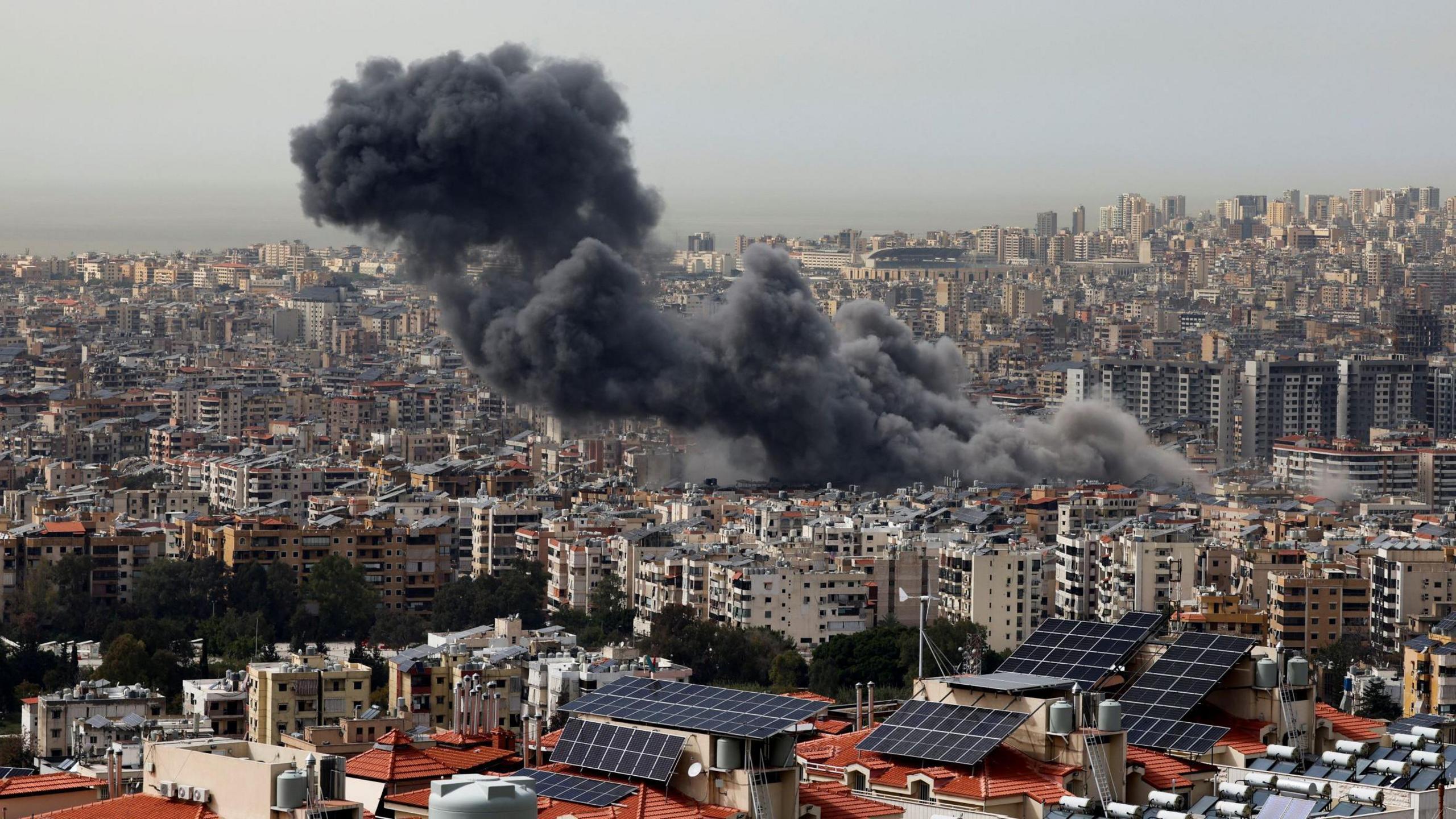
Iranian state media said a fire broke out following the strike but reported no casualties. Footage verified by international broadcasters shows thick black smoke rising from the site, as emergency crews worked to contain the blaze.
Qatar described the reported strike as “dangerous and irresponsible”, warning of the risks posed to shared infrastructure in the Gulf. Israel has not commented on the incident.
Read related news:
Iran still expected to play at 2026 World Cup despite security concerns
Iranian strike hits Dubai financial centre
Iranian missiles penetrate Israeli airspace, hit Zarzir
The development comes as Israel continues its military operations in the region. Earlier, strikes were reported in Beirut, where Israeli forces have been targeting Hezbollah positions in the Lebanese capital.
At the same time, Iranian officials confirmed that Intelligence Minister Esmail Khatib was killed in an overnight strike, marking one of the most senior confirmed casualties in the current escalation.
Iranian state sources and regional reports have also suggested that other senior political and military figures may have been killed in recent days. However, the full extent of those losses remains unclear and independently unverified.
Analysts say the combination of attacks on strategic infrastructure and senior leadership figures signals a shift in the scale of the confrontation.
“This is no longer contained,” said one regional security analyst. “When energy infrastructure and senior officials are both being targeted, the risk of escalation rises sharply.”
The targeting of South Pars is likely to draw particular attention from global markets. Any sustained disruption to the field — a cornerstone of gas production for both Iran and Qatar — could have wider implications for supply and pricing.
Iran has not specified what form its promised response will take. However, the language used by officials suggests retaliation remains firmly on the table, raising the prospect of further strikes across multiple fronts.
With tensions already high and military activity expanding beyond previous flashpoints, the situation is entering a more volatile phase — one that could carry consequences well beyond the region in the days ahead.

