


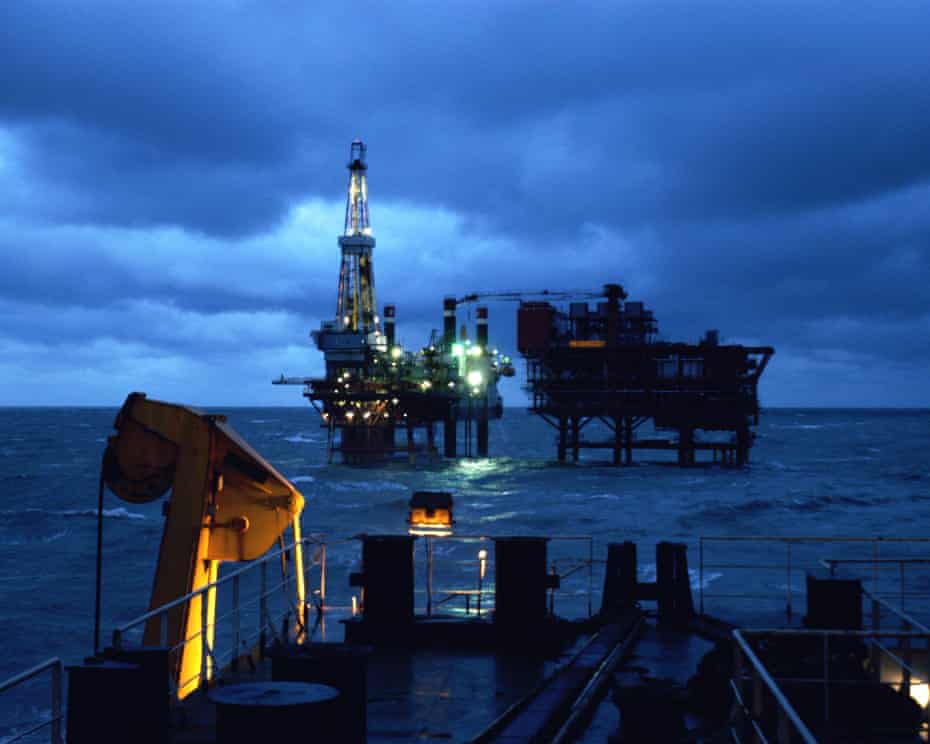
Energy facilities across the Gulf are being evacuated after Iran warned of imminent strikes, triggering fresh fears of a major supply shock and sending oil prices sharply higher.
According to reports, staff were told to leave key sites in Saudi Arabia, the United Arab Emirates and Qatar after Tehran issued a warning that energy infrastructure could be targeted “in the coming hours”.
The alert followed Israeli strikes on Iranian facilities, including sites linked to the South Pars gas field and Asaluyeh, in a rapidly escalating cycle of attacks across the region.
In a statement carried by Iranian media, the warning said energy centres in the Gulf had become “direct and legitimate targets” and urged all workers and residents to move away immediately.
Among the sites affected are major hubs of global production, including the Samref refinery and Jubail petrochemical complex in Saudi Arabia, the Al Hosn gas field in the UAE, and Qatar’s Mesaieed and Ras Laffan industrial facilities.
Read related news:
US urges citizens to leave Israel, Gulf States immediately as Iran conflict intensifies
Starmer urges Trump to negotiate as Iran fires missiles across Gulf
4 dead as fire engulfs Hong Kong towers
Iranian missiles penetrate Israeli airspace, hit Zarzir
The scale of the evacuation highlights growing concern that any strike could severely disrupt global oil and gas supplies.
Markets reacted swiftly. Brent crude surged by more than 5 per cent to around $108 a barrel. The rise marks one of the sharpest daily moves in recent weeks.
Analysts warn the situation could deteriorate further. A note from Citi said oil prices could double to $200 a barrel if Iran launches sustained attacks on energy infrastructure or if the Strait of Hormuz.
The bank estimated there is a 50 per cent chance that prices could reach at least $120 in the near term, reflecting the heightened risk of disruption.
“The market is likely to rally until it finds the price or event that forces a shift in military strategy,” analysts said, pointing to the possibility of further escalation unless external pressure intervenes.
They added that only a large-scale release of global oil reserves or diplomatic pressure, particularly from China, could ease the upward pressure on prices.
Stock markets fell across global exchanges as investors reacted to the growing instability in the Middle East, with energy concerns now at the centre of financial market volatility.
The Strait of Hormuz remains a key flashpoint. Any prolonged closure would choke off a significant share of the world’s oil shipments, amplifying the economic impact far beyond the region.
The latest developments mark a dangerous turn in the conflict, with energy infrastructure now directly in the crosshairs. As evacuations continue and threats intensify, markets and governments are bracing for what could become one of the most serious oil shocks in recent history.

