


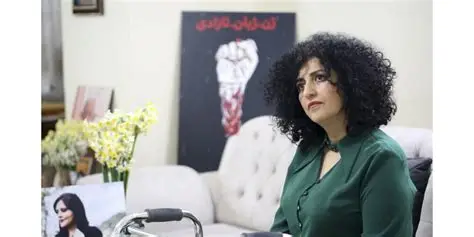
Iran has sentenced the Nobel peace prize laureate Narges Mohammadi to more than seven additional years in prison, according to her supporters, as the authorities intensify their crackdown on dissent following nationwide protests.
The new sentence was imposed after Mohammadi began a hunger strike earlier this month. Her supporters said the ruling reflects a broader effort by Tehran to silence critics in the wake of demonstrations that have left thousands dead at the hands of security forces.
Mohammadi’s lawyer, Mostafa Nili, confirmed the sentence on Sunday, saying it was handed down on Saturday by a court in Mashhad. He said she received six years for “gathering and collusion”, one and a half years for propaganda against the state, a two-year travel ban, and two years of internal exile to the city of Khosf, about 740 kilometres south-east of Tehran.
Iranian authorities did not immediately acknowledge the ruling.
Supporters said Mohammadi, 53, has been on hunger strike since 2 February. She was arrested in December while attending a memorial in Mashhad for Khosrow Alikordi, a human rights lawyer who died at the age of 46. Video from the event showed her shouting and demanding justice for Alikordi and other victims.
Mohammadi had been temporarily released from prison in December 2024 on medical grounds. Although the furlough was meant to last three weeks, it was extended, reportedly following pressure from activists and Western governments. She remained free even during the 12-day conflict in June between Iran and Israel.
During that period, Mohammadi continued her activism, taking part in public protests and speaking to international media. She also demonstrated outside Tehran’s Evin prison, where she had previously been held.
Before her latest conviction, she was serving a sentence of 13 years and nine months on charges including collusion against state security and propaganda against the government.
Mohammadi has been a prominent supporter of the protests triggered by the 2022 death of Mahsa Amini, which saw women across Iran openly defy the authorities by refusing to wear the hijab.
Her supporters say she has suffered several heart attacks while in prison and underwent emergency surgery in 2022. In late 2024, her lawyer said doctors had discovered a bone lesion that was feared to be cancerous and later removed.
Given her health, Nili said she should be temporarily released on bail to allow her to receive treatment.
The new sentence comes as Iran seeks to negotiate with the United States over its nuclear programme in an effort to avert a potential military strike threatened by US president Donald Trump. On Sunday, Iran’s foreign minister said the country’s strength lay in its ability to resist pressure from “the great powers”, adopting a defiant tone after talks with the US in Oman.
Iranian officials have increasingly signalled a tougher stance against all forms of dissent since the protests.

