


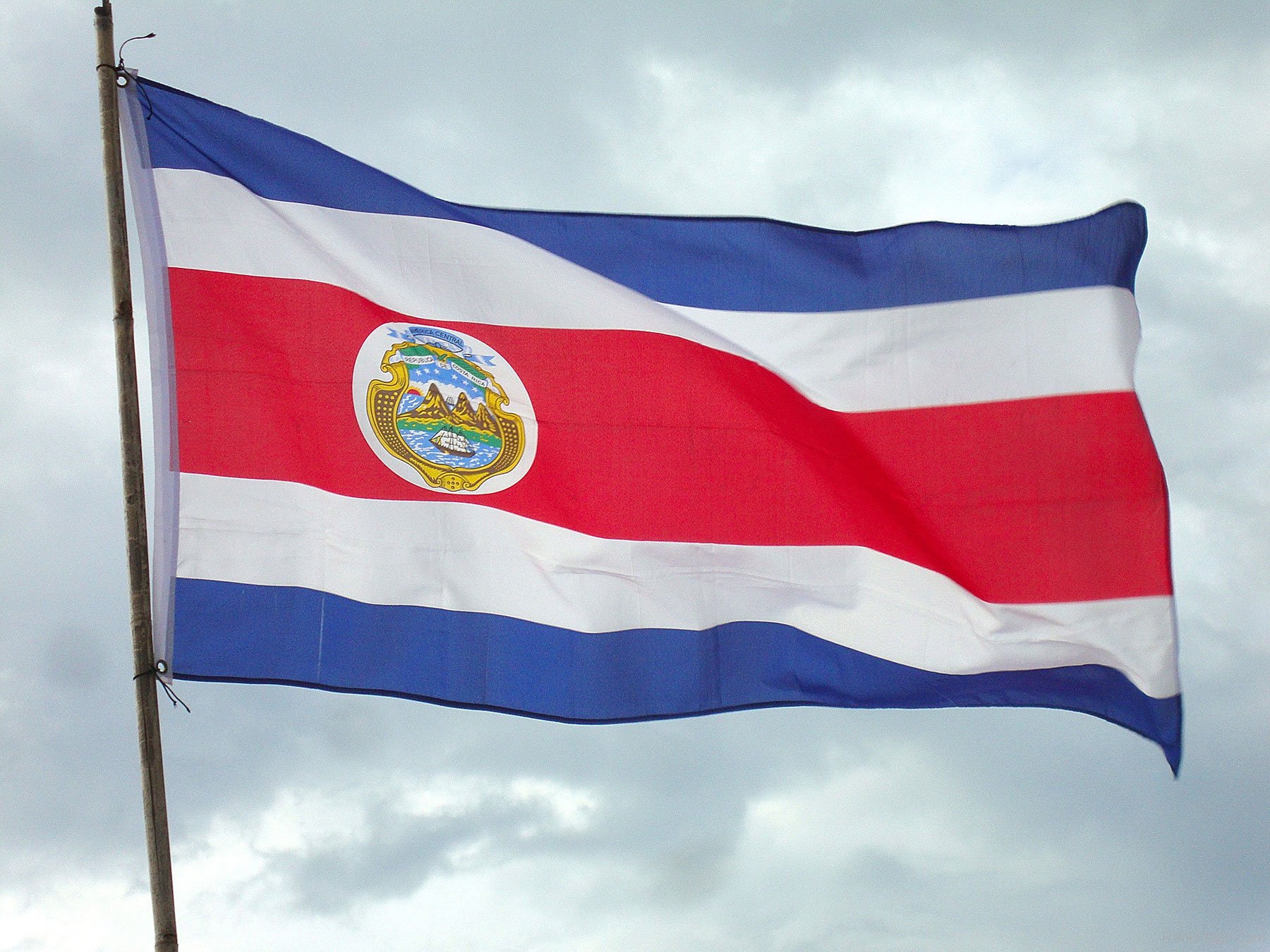
Costa Rica goes to the polls on Sunday in an election shaped by rising insecurity and fears of an authoritarian shift in a country long regarded as a democratic model in Central America.
Crime has emerged as the dominant issue for voters, as organised criminal groups fight for control of cocaine trafficking routes to Europe and the United States. The violence has cast a shadow over a nation better known internationally for its wildlife tourism and political stability.
Voters will choose a president and 57 members of congress for four-year terms, following a campaign heavily influenced by President Rodrigo Chaves. Although barred from seeking re-election under the constitution, Chaves remains a central figure in the race.
His chosen successor, Laura Fernández, a 37-year-old former minister, has campaigned on a tough approach to security. She currently leads opinion polls with around 40 per cent support, which would be enough to secure a first-round victory. The opposition remains divided, with no rival candidate polling above 10 per cent.
Around a third of voters are still undecided, leaving the outcome uncertain. Analysts say their final choice will be decisive, potentially shaping both the presidency and the balance of power in congress.
Costa Rica’s political landscape shifted in 2022 when Chaves, an economist who left the World Bank after being accused of sexual harassment, won the presidency by capitalising on public anger towards discredited political elites.
In office, Chaves has pursued economic reforms with mixed results, while adopting a confrontational political style and clashing repeatedly with state institutions. Efforts by courts to prosecute him on corruption-related charges were blocked by congress, which refused to lift his presidential immunity.
Fernández has said she would appoint Chaves to her cabinet, a move that would allow him to retain legal protection. Despite rising violence linked to organised crime, Chaves’s approval rating remains close to 50 per cent.
Costa Rica, once among the safest countries in the region, now records a homicide rate of 16.7 per 100,000 people, the third highest in Central America.
Authorities last year dismantled the so-called South Caribbean Cartel, described as the country’s first transnational criminal organisation. A former security minister was also arrested on US drug trafficking charges.
Chaves has praised the hardline security policies of El Salvador’s president, Nayib Bukele, and invited him to the launch of a new prison modelled on El Salvador’s controversial mega-prison.
Fernández has gone further, saying she would impose states of exception in areas affected by violence. Opposition figures have criticised the proposal as authoritarian.
Political analysts warn that a strong congressional majority for Fernández could lead to deeper institutional changes. A simple majority would allow reforms to state bodies, while a supermajority could open the door to constitutional amendments.
“This election will determine whether Costa Rica corrects its populist drift or moves further down that path,” said Luis Antonio Sobrado, a former president of the supreme electoral tribunal.
Others argue that the country’s democratic foundations remain strong. “Costa Rica will still have fair elections in four years,” said analyst James Bosworth. “Costa Rica will remain Costa Rica.”

