


Caribbean coral reefs have lost nearly half of their hard coral cover since 1980, according to a new study. Scientists report a 48 per cent decrease, driven largely by climate breakdown and increasingly frequent marine heatwaves.
The heatwaves disrupt the microalgae that sustain coral, turning them toxic and forcing the coral to expel them. In 2023–24, the region endured what researchers described as “the most destructive thermal stress ever recorded”, resulting in a 16.9 per cent decline in coral cover in just one year.
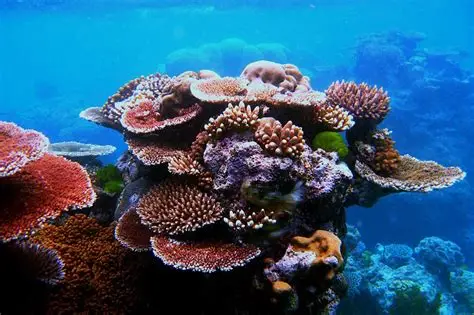
Four decades ago, divers would have encountered colourful, thriving ecosystems supporting hundreds of marine species, including spiny lobsters, queen conchs, parrotfish, turtles and sharks. Coral reefs occupy less than one per cent of the world’s seafloor but provide habitat for at least a quarter of all marine life.
Dr Jérémy Wicquart of the Global Coral Reef Monitoring Network recalled diving off Puerto Morelos, Mexico, last year and finding only bleached, bone-white coral. “All the corals were bleached. All white corals. I was very affected by that. It’s totally different when you see it in the field to when you see it on a graph,” he said.
Bleaching occurs when coral loses its microalgae, which provide both nourishment and colour. While recovery is possible, bleached coral is far more vulnerable to disease and death. Cyclones add to the destruction, battering reefs and reducing them to rubble.
The economic impact is significant. Caribbean reefs generate an estimated $6.2 billion (£4.6 billion) annually through fisheries and tourism, with reef-related tourism alone accounting for 10 per cent of the region’s GDP.
Where coral has declined, macroalgae has flourished. Its coverage has risen by 85 per cent since 1980, aided by overfishing of herbivorous species that would normally keep algae growth in check.
Despite the grim findings, the study highlights areas of resilience. In the southern Gulf of Mexico, researchers discovered old coral colonies that remain healthy despite severe heat stress. These colonies include critically endangered species and show no signs of disease. In response, the Mexican government has established a new marine protection area linking two existing national parks, creating a continuous corridor of reef habitats.
“The science is unequivocal, but it also points to hope. When pressures are reduced and resources are sustained, Caribbean reefs rebound,” said Sinikinesh Beyene Jimma of the UN Environment Programme.
The Caribbean’s reefs are particularly vulnerable due to the dense human populations nearby. Since 2000, the number of people living within 20 kilometres of reefs has risen by 27.6 per cent, increasing local pressures such as pollution, overfishing and mass tourism.
Experts stress that solutions lie both in tackling global climate change and reducing local threats. Measures such as improved wastewater management, restrictions on tourism and the creation of marine protected areas could help reefs recover.
“If you act on climate change, you will reduce thermal stress to coral reefs, and the impact of cyclones,” said Dr Wicquart. “The second major solution is to reduce local threats. These are ways to improve the coral reef at a local scale.”

